City councilors press OPAT on subpoenas, evidence-sharing and timelines during FY2027 budget review
May 18, 2026 | Boston City, Suffolk County, Massachusetts
This article was created by AI summarizing key points discussed. AI makes mistakes, so for full details and context, please refer to the video of the full meeting. Please report any errors so we can fix them. Report an error »
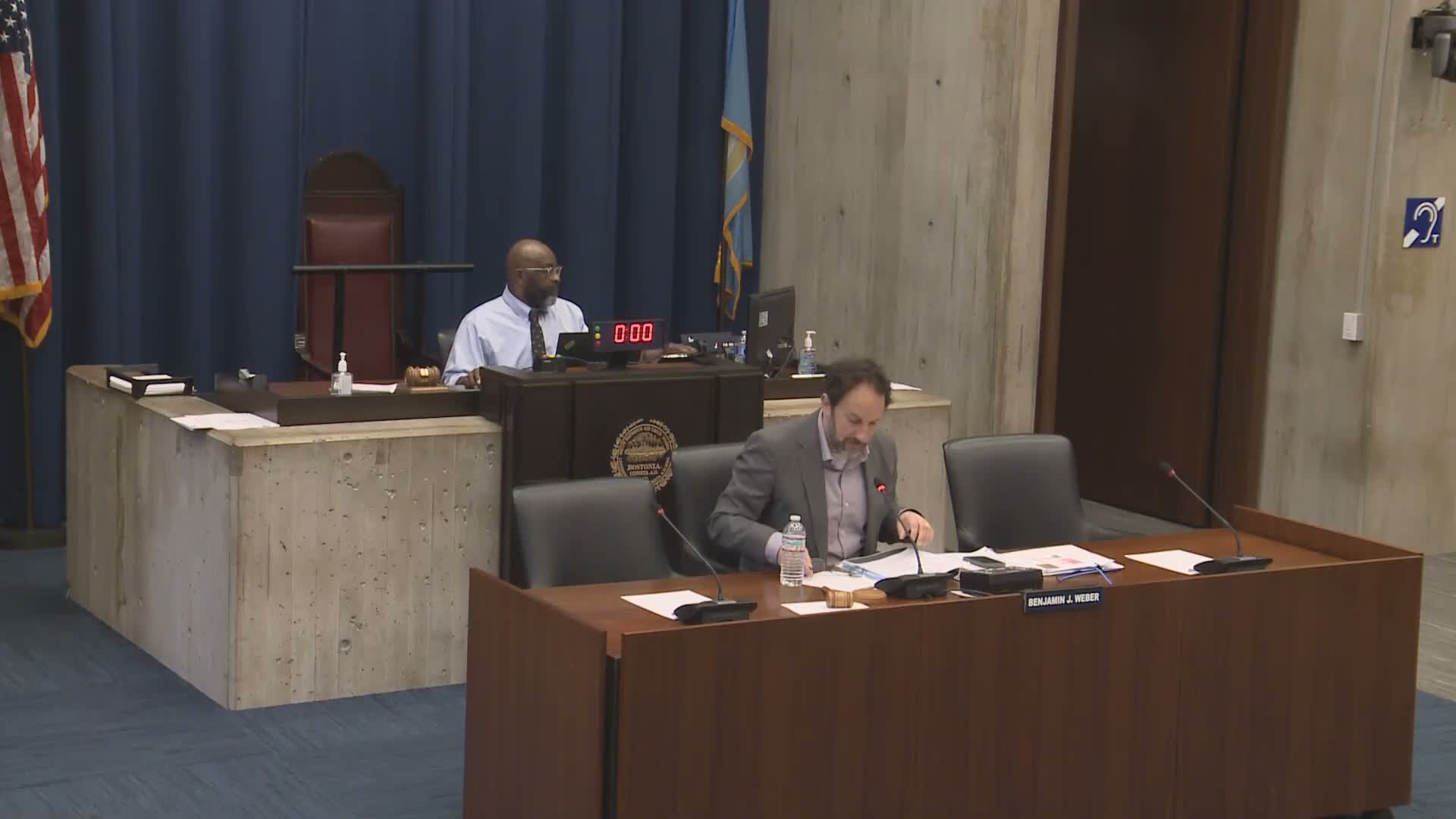
Boston City Councilors questioned the Office of Police Accountability and Transparency’s (OPAT) leadership on May 18 as the Ways and Means Committee reviewed the office’s FY2027 operating budget, focusing on OPAT’s recent use of subpoena power, disputes with the police commissioner over evidence-sharing and responses to Civilian Review Board findings, and access to body-worn camera footage.
Evandro Carvallo, OPAT’s executive director, told the committee that the agency — created by ordinance (chapter 12, section 16 of the City of Boston code) after 2020 — investigates complaints, reviews Boston Police Department policies, and publishes data on stops, arrests, use of force and settlements. Carvallo said OPAT issued its first subpoenas in early February and that “we finally used our subpoena power” to compel testimony and records from some Boston Police officers; he said some officers complied and testified while other compliance steps remain in progress and could require enforcement through the city law department and, if necessary, the courts.
Why it matters: Councilors framed the dispute as a test of whether OPAT has the authority and practical tools to make oversight meaningful. Several councilors said CRB (Civilian Review Board) findings have in some cases received no timely response from the police commissioner and sought ways to give complainants faster resolution and more certainty about discipline recommendations.
Councilors repeatedly raised a pair of related issues: whether OPAT must turn over the evidence and materials that underlie CRB decisions to the Boston Police Department, and whether the police commissioner or internal affairs may effectively re-open or nullify CRB sustained findings. Carvallo said the CRB and OPAT have resisted sharing unredacted complainant-origin material with BPD in part because complainants come to OPAT to avoid returning to the police; he described the question as legally and politically contested and said OPAT’s commissioners are debating regulations that would set firm response timelines. “We cannot just share information that folks came to us with because they don’t want to go to the Boston Police Department,” Carvallo said, arguing that compelled disclosure could chill complaints.
The back-and-forth over letters and referrals: Councilors noted a series of CRB letters to Police Commissioner Cox asking for responses on sustained findings; the CRB’s correspondence said there remained multiple sustained findings for which the commissioner had been unresponsive, and Carvallo told the committee some of the cases have since been referred to the Boston Police internal affairs division for further investigation. Councilors asked how many cases were involved; OPAT reported the CRB had heard 17 cases in recent action and said responses are in various states — Carvallo also acknowledged inconsistent references in the record and offered to provide a definitive breakdown after the hearing.
On timelines and enforcement, OPAT reported the OPEC/commission has discussed a 45-day target for formal responses to CRB recommendations and that the commission is considering regulations to produce firmer timelines. Councilors suggested council action could also amend the ordinance to ensure finality if the commissioner fails to act within a fixed window; Carvallo said the office is open to working with the council and that the law department will be involved for any enforcement steps that require court action.
Body camera access: Several councilors cited other cities’ oversight models — notably Chicago’s civilian office — where investigators can obtain body-worn camera footage quickly. Councilor Culpepper said it is “astonishing” that OPAT has been denied footage in some instances. Carvallo said OPAT has pushed for footage and that, in many cases, OPAT receives materials after negotiation; he added the commission is studying timelines (the commission has proposed 45-day targets for some responses) but that Boston’s rules (cited in the hearing as Rule 405) currently treat body-worn footage as Boston Police property and that access is handled under existing local policy and state law constraints.
Investigatory scope and case volume: Carvallo told the committee OPAT can initiate inquiries when the administration or CRB sees concerning material (the CRB must vote to turn an inquiry into an official complaint, typically with a two-thirds threshold). He said OPAT typically receives roughly 130–145 complaints annually and that the office is building capacity (new investigators, a community engagement person, an administrative finance director) but that current staffing remains limited and some hires are being delayed to meet citywide fiscal targets.
Budget and staffing: On staffing, Carvallo said the proposed FY2027 budget does not eliminate permanent positions but delays filling some vacancies; he described the office as “small but mighty” and said additional resources would help if complaint volume increases.
Public comment: Lawrence Brown, a resident giving remote testimony, said BPD routinely denies or delays release of footage and records and urged the council to strengthen OPAT’s access and funding. Brown added that the city’s spending priorities — he contrasted OPAT’s roughly $1 million budget to far larger police-related overtime accounts — reflect how central the city has made public safety choices.
Where things stand: The hearing produced no ordinance change. Councilors left the record with many follow-up requests (detailed counts of cases and settlements, a definitive list of CRB letters and their statuses), and OPAT committed to providing additional data and to continue working with the law department, unions, and the POST commission to refine procedures and, where possible, timelines. The OPEC/commission is pursuing regulations to set response windows (Carvallo reported the commission has discussed a 45-day target); councilors signaled they may pursue ordinance amendments if regulations and interagency coordination do not produce timely results.
Direct quotes from the hearing include Carvallo saying, “we finally used our subpoena power,” Councilor Culpepper noting that “astonishingly, even Boston’s own police oversight agency has been denied the access to footage,” and public commenter Lawrence Brown saying, “The Boston Police doesn’t take OPAT seriously at all.”
The committee adjourned after public testimony; members requested follow-ups on case counts, case status, settlement data and the proposed regulatory timeline for commissioner responses.
Evandro Carvallo, OPAT’s executive director, told the committee that the agency — created by ordinance (chapter 12, section 16 of the City of Boston code) after 2020 — investigates complaints, reviews Boston Police Department policies, and publishes data on stops, arrests, use of force and settlements. Carvallo said OPAT issued its first subpoenas in early February and that “we finally used our subpoena power” to compel testimony and records from some Boston Police officers; he said some officers complied and testified while other compliance steps remain in progress and could require enforcement through the city law department and, if necessary, the courts.
Why it matters: Councilors framed the dispute as a test of whether OPAT has the authority and practical tools to make oversight meaningful. Several councilors said CRB (Civilian Review Board) findings have in some cases received no timely response from the police commissioner and sought ways to give complainants faster resolution and more certainty about discipline recommendations.
Councilors repeatedly raised a pair of related issues: whether OPAT must turn over the evidence and materials that underlie CRB decisions to the Boston Police Department, and whether the police commissioner or internal affairs may effectively re-open or nullify CRB sustained findings. Carvallo said the CRB and OPAT have resisted sharing unredacted complainant-origin material with BPD in part because complainants come to OPAT to avoid returning to the police; he described the question as legally and politically contested and said OPAT’s commissioners are debating regulations that would set firm response timelines. “We cannot just share information that folks came to us with because they don’t want to go to the Boston Police Department,” Carvallo said, arguing that compelled disclosure could chill complaints.
The back-and-forth over letters and referrals: Councilors noted a series of CRB letters to Police Commissioner Cox asking for responses on sustained findings; the CRB’s correspondence said there remained multiple sustained findings for which the commissioner had been unresponsive, and Carvallo told the committee some of the cases have since been referred to the Boston Police internal affairs division for further investigation. Councilors asked how many cases were involved; OPAT reported the CRB had heard 17 cases in recent action and said responses are in various states — Carvallo also acknowledged inconsistent references in the record and offered to provide a definitive breakdown after the hearing.
On timelines and enforcement, OPAT reported the OPEC/commission has discussed a 45-day target for formal responses to CRB recommendations and that the commission is considering regulations to produce firmer timelines. Councilors suggested council action could also amend the ordinance to ensure finality if the commissioner fails to act within a fixed window; Carvallo said the office is open to working with the council and that the law department will be involved for any enforcement steps that require court action.
Body camera access: Several councilors cited other cities’ oversight models — notably Chicago’s civilian office — where investigators can obtain body-worn camera footage quickly. Councilor Culpepper said it is “astonishing” that OPAT has been denied footage in some instances. Carvallo said OPAT has pushed for footage and that, in many cases, OPAT receives materials after negotiation; he added the commission is studying timelines (the commission has proposed 45-day targets for some responses) but that Boston’s rules (cited in the hearing as Rule 405) currently treat body-worn footage as Boston Police property and that access is handled under existing local policy and state law constraints.
Investigatory scope and case volume: Carvallo told the committee OPAT can initiate inquiries when the administration or CRB sees concerning material (the CRB must vote to turn an inquiry into an official complaint, typically with a two-thirds threshold). He said OPAT typically receives roughly 130–145 complaints annually and that the office is building capacity (new investigators, a community engagement person, an administrative finance director) but that current staffing remains limited and some hires are being delayed to meet citywide fiscal targets.
Budget and staffing: On staffing, Carvallo said the proposed FY2027 budget does not eliminate permanent positions but delays filling some vacancies; he described the office as “small but mighty” and said additional resources would help if complaint volume increases.
Public comment: Lawrence Brown, a resident giving remote testimony, said BPD routinely denies or delays release of footage and records and urged the council to strengthen OPAT’s access and funding. Brown added that the city’s spending priorities — he contrasted OPAT’s roughly $1 million budget to far larger police-related overtime accounts — reflect how central the city has made public safety choices.
Where things stand: The hearing produced no ordinance change. Councilors left the record with many follow-up requests (detailed counts of cases and settlements, a definitive list of CRB letters and their statuses), and OPAT committed to providing additional data and to continue working with the law department, unions, and the POST commission to refine procedures and, where possible, timelines. The OPEC/commission is pursuing regulations to set response windows (Carvallo reported the commission has discussed a 45-day target); councilors signaled they may pursue ordinance amendments if regulations and interagency coordination do not produce timely results.
Direct quotes from the hearing include Carvallo saying, “we finally used our subpoena power,” Councilor Culpepper noting that “astonishingly, even Boston’s own police oversight agency has been denied the access to footage,” and public commenter Lawrence Brown saying, “The Boston Police doesn’t take OPAT seriously at all.”
The committee adjourned after public testimony; members requested follow-ups on case counts, case status, settlement data and the proposed regulatory timeline for commissioner responses.
Don't Miss a Word: See the Full Meeting!
Go beyond summaries. Unlock every video, transcript, and key insight with a Founder Membership.
✓
Get instant access to full meeting videos
✓
Search and clip any phrase from complete transcripts
✓
Receive AI-powered summaries & custom alerts
✓
Enjoy lifetime, unrestricted access to government data
30-day money-back guarantee
