Minnesota senators use retirement speeches to warn of eroding rights, urge civility
May 18, 2026 | 2026 Legislature MN, Minnesota
This article was created by AI summarizing key points discussed. AI makes mistakes, so for full details and context, please refer to the video of the full meeting. Please report any errors so we can fix them. Report an error »
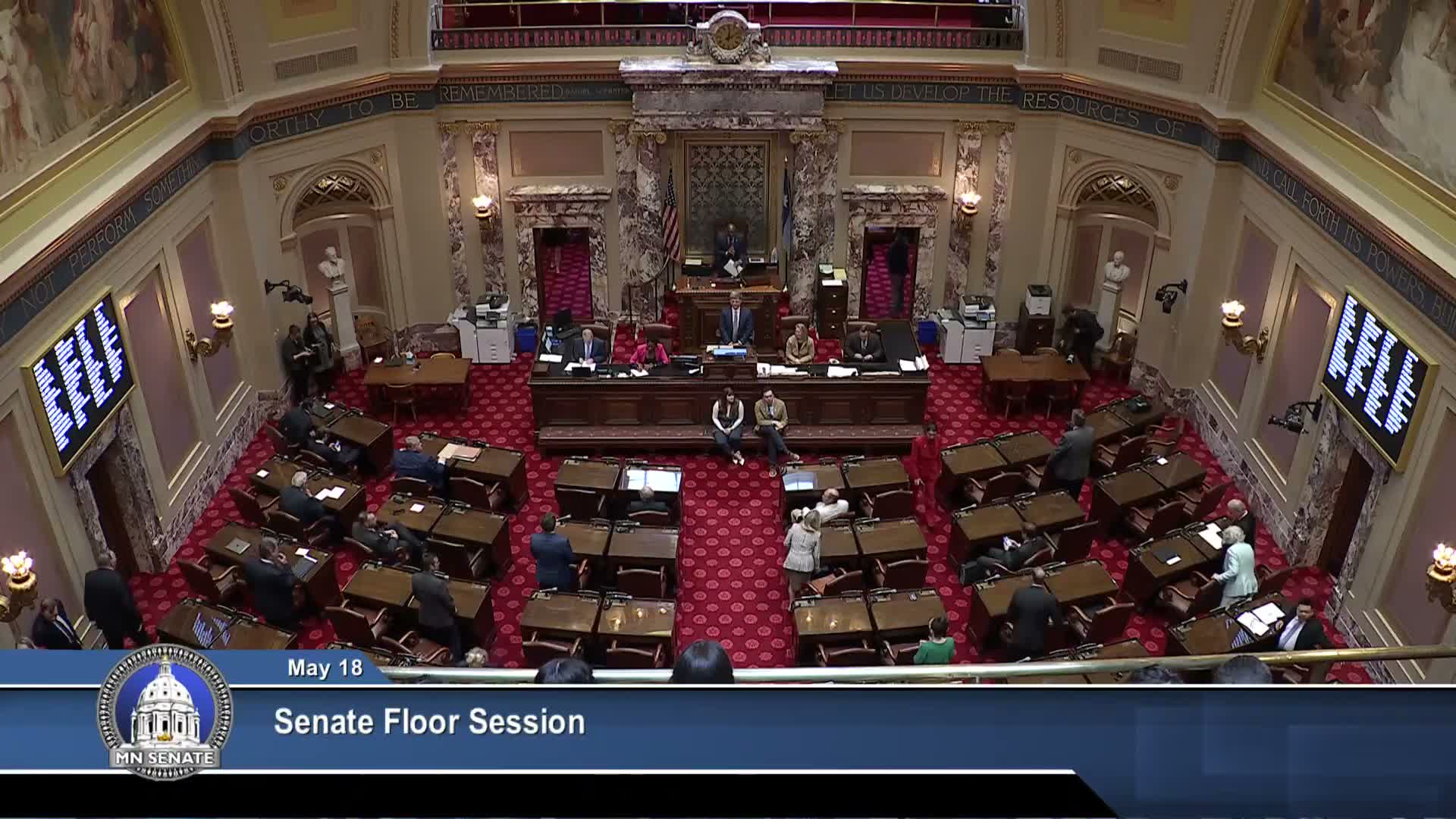
More than a dozen Minnesota senators addressed the Senate chamber on May 18 as part of a retirement recognition, using farewell remarks to both thank staff and family and to raise policy concerns about democracy, education and civility.
Senator Mann, speaking early in the program, tied a list of legislative achievements to a broader warning about threats to political and civil freedoms. ‘‘I said what I said,’’ she said of earlier calls to address racism and sexism in the legislature, and later said, ‘‘The SAVE Act will take away the voting rights of women.’’ Mann named court decisions and aggressive gerrymandering in other states as part of a trend she said is narrowing democratic participation.
The warning about voting rights was echoed in several speeches as senators reflected on the work of recent sessions. Senator Carlson and others cited electoral reforms they helped pass — including automatic voter registration and protections for election workers — as examples of legislation intended to protect access to the ballot.
Other speakers used their moments at the lectern to press for policy priorities. Senator Joy Heim urged a focus on basic literacy and career pathways for young people; Senator Miller recalled work on newborn screening and the rare disease advisory council; and Senator Pappas recommended governance changes including more frequent bonding bills and modernizing constitutional processes to address deferred maintenance statewide.
A recurring theme across multiple remarks was concern about growing polarization and declining collegiality. Senator Tuccieng and Senator Lemmer both encouraged colleagues to rebuild relationships across the aisle; Lemmer urged patience and listening, saying lawmakers must ‘‘refine ourselves’’ and guard the chamber’s traditions. Several senators praised nonpartisan and front-desk staff, noting that the legislature’s work ‘‘runs on the staff’’ and expressing gratitude for long-serving aides.
Not all comments were policy-focused. Senator Ress closed her remarks by reading three poems and said she planned to return to teaching, and Senator Nelson recounted leading the effort that secured $310,000,000 to preserve the Capitol’s marble and structural integrity — a detailed account of a long-running preservation project.
The ceremony was strictly recognitional: senators delivered personal remarks from the floor, plaques were to be presented by floor leaders and no formal legislative actions or votes were taken during the program. The Senate adjourned the ceremonial portion after giving members an opportunity to speak.
The May 18 event underscored both the personal side of legislative service and the policy fractures on the floor: retiring senators combined gratitude for staff and family with public calls for defending democratic access, strengthening schools and restoring civility in state government.
Senator Mann, speaking early in the program, tied a list of legislative achievements to a broader warning about threats to political and civil freedoms. ‘‘I said what I said,’’ she said of earlier calls to address racism and sexism in the legislature, and later said, ‘‘The SAVE Act will take away the voting rights of women.’’ Mann named court decisions and aggressive gerrymandering in other states as part of a trend she said is narrowing democratic participation.
The warning about voting rights was echoed in several speeches as senators reflected on the work of recent sessions. Senator Carlson and others cited electoral reforms they helped pass — including automatic voter registration and protections for election workers — as examples of legislation intended to protect access to the ballot.
Other speakers used their moments at the lectern to press for policy priorities. Senator Joy Heim urged a focus on basic literacy and career pathways for young people; Senator Miller recalled work on newborn screening and the rare disease advisory council; and Senator Pappas recommended governance changes including more frequent bonding bills and modernizing constitutional processes to address deferred maintenance statewide.
A recurring theme across multiple remarks was concern about growing polarization and declining collegiality. Senator Tuccieng and Senator Lemmer both encouraged colleagues to rebuild relationships across the aisle; Lemmer urged patience and listening, saying lawmakers must ‘‘refine ourselves’’ and guard the chamber’s traditions. Several senators praised nonpartisan and front-desk staff, noting that the legislature’s work ‘‘runs on the staff’’ and expressing gratitude for long-serving aides.
Not all comments were policy-focused. Senator Ress closed her remarks by reading three poems and said she planned to return to teaching, and Senator Nelson recounted leading the effort that secured $310,000,000 to preserve the Capitol’s marble and structural integrity — a detailed account of a long-running preservation project.
The ceremony was strictly recognitional: senators delivered personal remarks from the floor, plaques were to be presented by floor leaders and no formal legislative actions or votes were taken during the program. The Senate adjourned the ceremonial portion after giving members an opportunity to speak.
The May 18 event underscored both the personal side of legislative service and the policy fractures on the floor: retiring senators combined gratitude for staff and family with public calls for defending democratic access, strengthening schools and restoring civility in state government.
View the Full Meeting & All Its Details
This article offers just a summary. Unlock complete video, transcripts, and insights as a Founder Member.
✓
Watch full, unedited meeting videos
✓
Search every word spoken in unlimited transcripts
✓
AI summaries & real-time alerts (all government levels)
✓
Permanent access to expanding government content
30-day money-back guarantee
