Presenters showcase modular ADU designs as one option for Massachusetts housing
May 16, 2026 | Office of the Governor, Executive , Massachusetts
This article was created by AI summarizing key points discussed. AI makes mistakes, so for full details and context, please refer to the video of the full meeting. Please report any errors so we can fix them. Report an error »
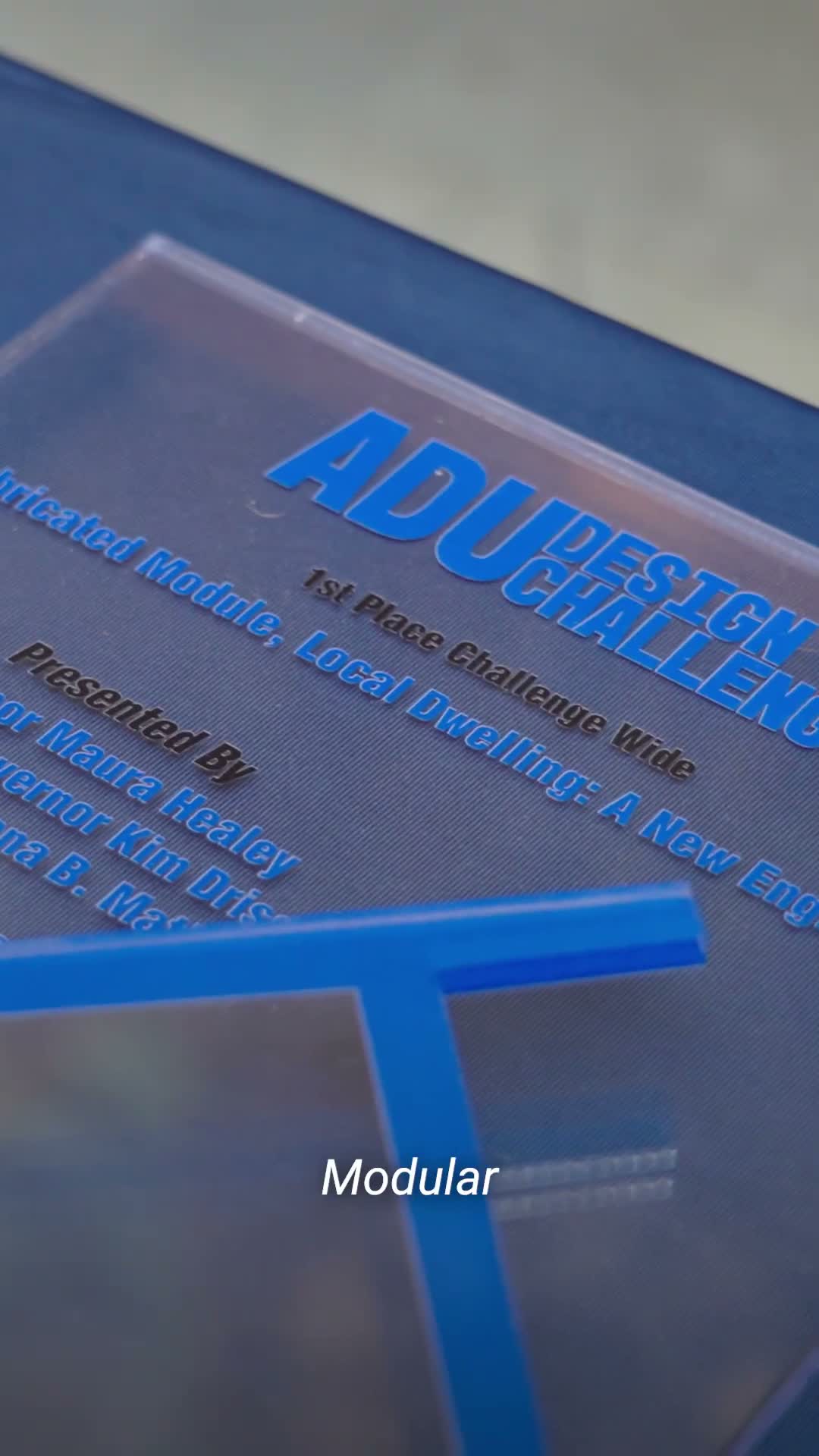
Presenters at a design competition highlighted modular accessory dwelling unit prototypes as a practical, sustainable option to expand housing choices in Massachusetts. S1, a presenter, said modular construction “is not a new technology” and framed the competition as a way to broaden public conversation about the approach.
The presenters emphasized compact, efficient and sustainable design. S1 said the team wanted “the most efficient, the most compact, the highest quality and sustainable product that we possibly could.” S2, a presenter, addressed a common question about coexistence between ADU residents and main-house occupants and described a yard layout that provides two separate outdoor spaces: one for the ADU resident and one for the main-house resident. S2 said the design uses “a view screen” that “looks a little bit like a fence but it's more porous than a fence” to separate a small portion of yard for ADU residents.
S3, a presenter, said the form of the ADU was designed to be either contemporary or traditional with clearly defined public and private spaces while remaining cost‑affordable and adaptable “to any sort of local architectural vernacular.” S3 added that ADUs could allow “perhaps an extended family member to come live closer to you, someone who needs care,” positioning the units as a potential caregiving support option.
Presenters encouraged public access to the designs. S2 stated it was “a tremendous service really to the state” to make the plans downloadable so homeowners could consider how an ADU might fit with their property. S1 closed by saying the designs are not a final solution to Massachusetts’ housing shortage but that “conversations like this need to continue to happen.”
The discussion consisted of a short presentation of design priorities and site solutions; no formal votes or policy decisions were recorded during the session. The presenters urged further public discussion and consideration of modular ADUs as one piece of broader housing strategies in the state.
The presenters emphasized compact, efficient and sustainable design. S1 said the team wanted “the most efficient, the most compact, the highest quality and sustainable product that we possibly could.” S2, a presenter, addressed a common question about coexistence between ADU residents and main-house occupants and described a yard layout that provides two separate outdoor spaces: one for the ADU resident and one for the main-house resident. S2 said the design uses “a view screen” that “looks a little bit like a fence but it's more porous than a fence” to separate a small portion of yard for ADU residents.
S3, a presenter, said the form of the ADU was designed to be either contemporary or traditional with clearly defined public and private spaces while remaining cost‑affordable and adaptable “to any sort of local architectural vernacular.” S3 added that ADUs could allow “perhaps an extended family member to come live closer to you, someone who needs care,” positioning the units as a potential caregiving support option.
Presenters encouraged public access to the designs. S2 stated it was “a tremendous service really to the state” to make the plans downloadable so homeowners could consider how an ADU might fit with their property. S1 closed by saying the designs are not a final solution to Massachusetts’ housing shortage but that “conversations like this need to continue to happen.”
The discussion consisted of a short presentation of design priorities and site solutions; no formal votes or policy decisions were recorded during the session. The presenters urged further public discussion and consideration of modular ADUs as one piece of broader housing strategies in the state.
Don't Miss a Word: See the Full Meeting!
Go beyond summaries. Unlock every video, transcript, and key insight with a Founder Membership.
✓
Get instant access to full meeting videos
✓
Search and clip any phrase from complete transcripts
✓
Receive AI-powered summaries & custom alerts
✓
Enjoy lifetime, unrestricted access to government data
30-day money-back guarantee
