State demographers: Michigan faces pronounced aging, falling births and a sharp one‑year labor force drop
May 16, 2026 | 2025-2026 House Legislature MI, Michigan
This article was created by AI summarizing key points discussed. AI makes mistakes, so for full details and context, please refer to the video of the full meeting. Please report any errors so we can fix them. Report an error »
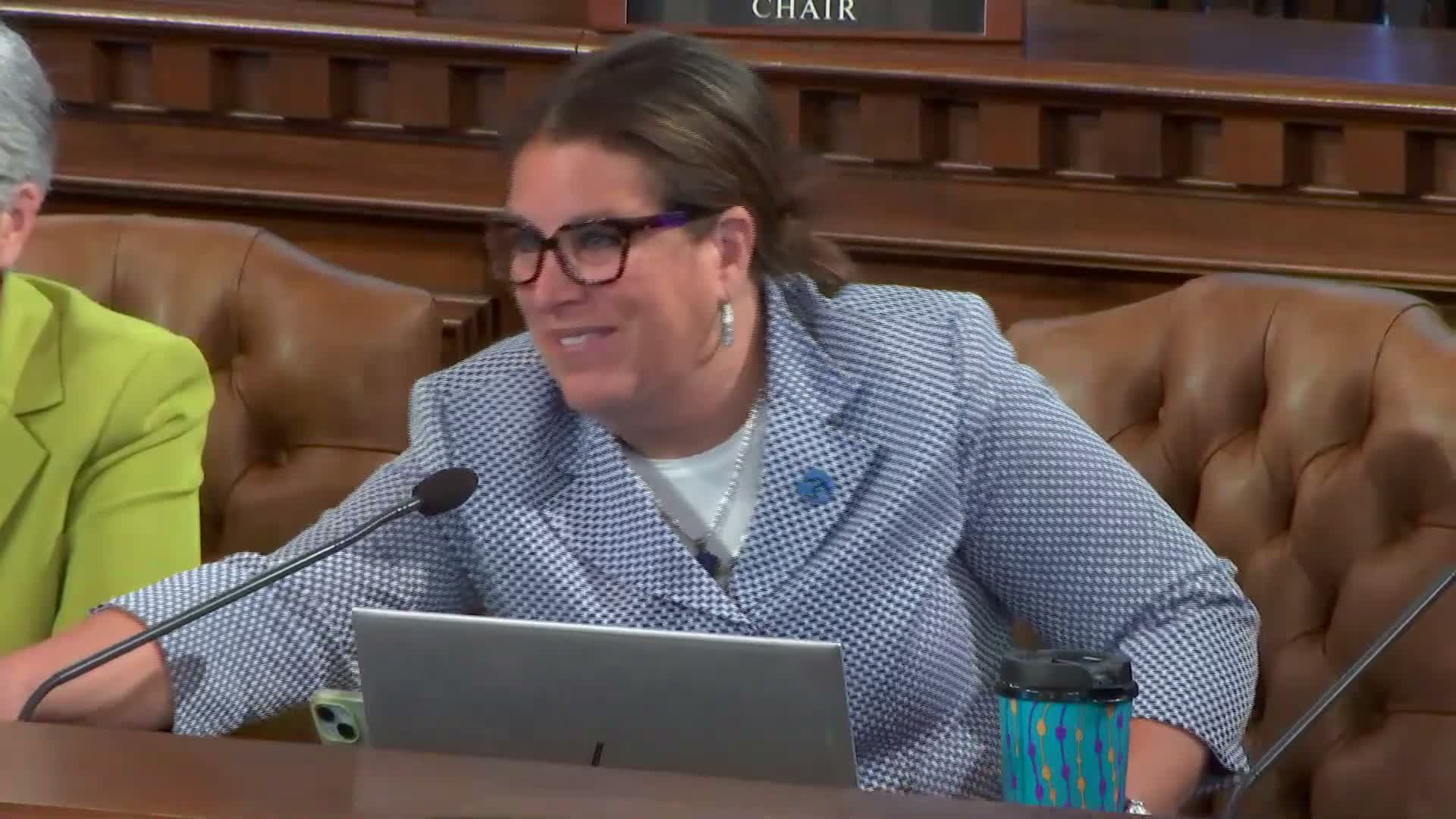
Wayne Rourke, Michigan’s labor market information director, and Jacqueline Butler, state demographer, presented linked labor‑market and population findings to the revenue conference, stressing the fiscal implications for school membership counts, workforce supply and long‑term revenues.
Rourke said payroll jobs have been essentially flat and the unemployment rate has hovered near 5%, but household employment has fallen, producing a roughly 93,000 reduction in Michigan’s labor force over the past year. He attributed the decline to both demographic factors (retirements among baby boomers) and economic headwinds, with gains concentrated in health care and state/local government and losses in manufacturing and trade.
Butler described longer‑term demographic shifts: Michigan has experienced five consecutive years of natural decrease (deaths exceeding births), births have roughly halved since mid‑twentieth‑century peaks, and the state’s median age remains above the national average. She warned these trends could reduce the working‑age share of the population, increase demand for elder care and put downward pressure on tax bases unless sustained net migration offsets natural decreases.
Both presenters urged attention to 2030 census preparations, noting declining federal survey response rates and the importance of local address‑update (LUCA) operations to protect federal and state funding formulas.
Rourke said payroll jobs have been essentially flat and the unemployment rate has hovered near 5%, but household employment has fallen, producing a roughly 93,000 reduction in Michigan’s labor force over the past year. He attributed the decline to both demographic factors (retirements among baby boomers) and economic headwinds, with gains concentrated in health care and state/local government and losses in manufacturing and trade.
Butler described longer‑term demographic shifts: Michigan has experienced five consecutive years of natural decrease (deaths exceeding births), births have roughly halved since mid‑twentieth‑century peaks, and the state’s median age remains above the national average. She warned these trends could reduce the working‑age share of the population, increase demand for elder care and put downward pressure on tax bases unless sustained net migration offsets natural decreases.
Both presenters urged attention to 2030 census preparations, noting declining federal survey response rates and the importance of local address‑update (LUCA) operations to protect federal and state funding formulas.
Don't Miss a Word: See the Full Meeting!
Go beyond summaries. Unlock every video, transcript, and key insight with a Founder Membership.
✓
Get instant access to full meeting videos
✓
Search and clip any phrase from complete transcripts
✓
Receive AI-powered summaries & custom alerts
✓
Enjoy lifetime, unrestricted access to government data
30-day money-back guarantee
