Selah Middle School principal outlines reforms to raise test scores and cut classroom removals
May 15, 2026 | Selah School District, School Districts, Washington
This article was created by AI summarizing key points discussed. AI makes mistakes, so for full details and context, please refer to the video of the full meeting. Please report any errors so we can fix them. Report an error »
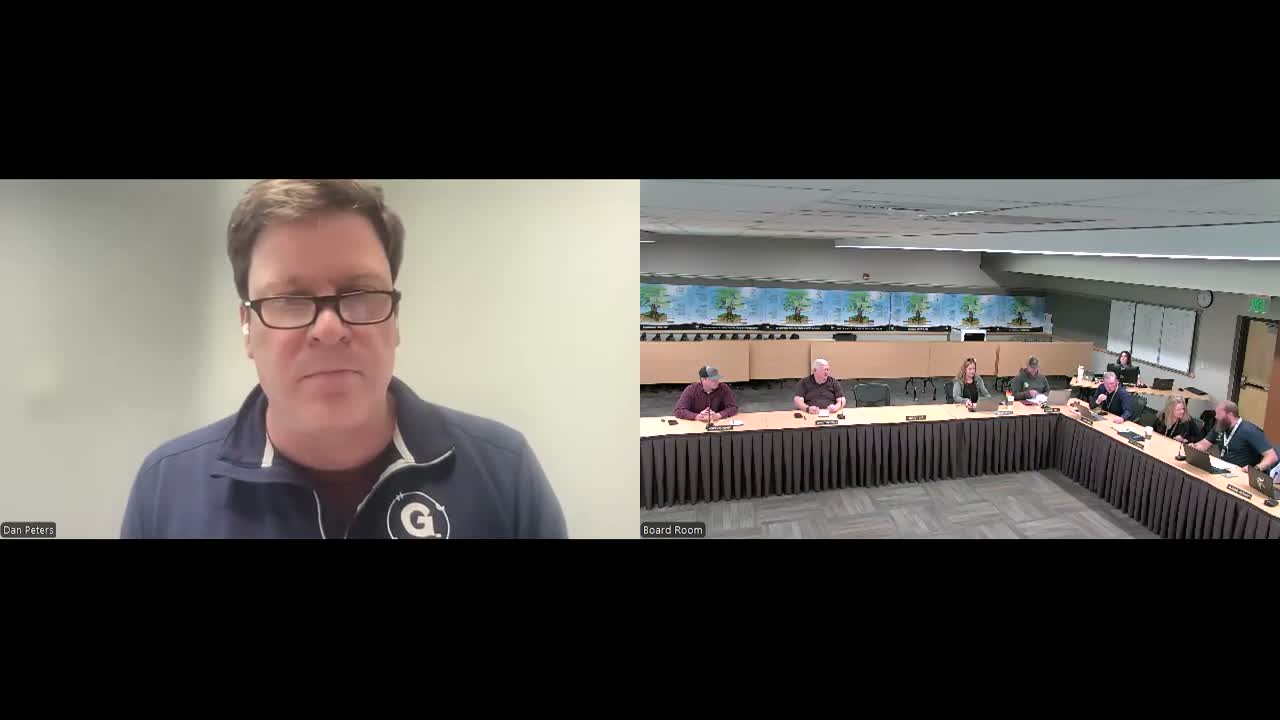
Brian, principal of Selah Middle School, told the Selah School District board during a study session that his first year on the job has focused on assessing school systems and stabilizing operations to improve student outcomes.
“I got hired in July of last year. Our school is about 850 or so kids. We have about 50 certificated staff members,” Brian said, describing a listening-first approach that included 10–15 minute meetings with every staff member.
The principal said the school shows pockets of strength — a large dual-language program (about 200–220 students in grades 6–8), Career and Technical Education and a greenhouse program — but overall academic indicators are weak. He told the board the school is in school improvement under the Washington School Improvement Framework and reported a decile score of 2.55.
“That’s not treated as a bad thing. It’s just treated as a growth opportunity,” Brian said, while adding that the school has “significant reading gaps, significant math gaps” and that SBA and WIDA outcomes are below state averages.
Discipline data drew particular attention. Brian said classroom exclusions last year were “upwards of 500–600” incidents and estimated roughly 200–220 different students experienced removals at least once — about a quarter of the student body. He said exclusions are down by roughly 100 so far this year but remain a major concern because they remove students from instruction.
Committee members asked whether the same students were repeatedly excluded and whether the school had a graduated discipline flow. Brian said a concentrated group of repeat offenders exists but many incidents are one-offs; he acknowledged the district does not operate from a strict, state-style progressive flowchart and said the school relies on conversations, lunch detention, parent involvement and staff supports to address repeat behaviors.
“We don’t have a specific flowchart like a progressive discipline... If a kid is getting removed multiple times, then we’re typically on them,” Brian said, describing interventions that include moving students to different classrooms to find better teacher-student fits and increased parent engagement.
To address inconsistent practice, Brian said he conducted a teaming inventory and found 13 different teams in the building. He consolidated those structures into a single clear tier 1 team and a tier 2 team, standardized meeting cadences with documented agendas, and set administrative walkthrough targets to give teachers more consistent, timely feedback.
“We set a goal for a certain number of walk throughs and how many classrooms we wanted to get into for the year,” he said, adding that walkthrough data now guides professional development and staff meetings.
On scheduling, Brian told the board staff had varied grading weights under standards-based grading, so he aligned gradebooks more closely with the high school to make results clearer for students and families. He also said the school is working to embed intervention and enrichment in the master schedule — particularly for sixth grade — rather than offering supports outside the regular day, though he cited staffing and bargaining language as constraints on moving to a seven-period day now.
Board members welcomed the clarity of the presentation and asked how the school will measure progress. Brian said success metrics will include fewer discipline referrals and classroom exclusions, improved attendance, rising test scores and more positive community feedback.
On operational details they discussed, Brian described cell-phone restrictions he used previously (no phones bell to bell, parent pickup penalties for repeat offenses) and said simple changes in lunchtime and outdoor rules reduced litter and increased student social interaction.
The study session adjourned with the board scheduling its business meeting in two weeks.
“I got hired in July of last year. Our school is about 850 or so kids. We have about 50 certificated staff members,” Brian said, describing a listening-first approach that included 10–15 minute meetings with every staff member.
The principal said the school shows pockets of strength — a large dual-language program (about 200–220 students in grades 6–8), Career and Technical Education and a greenhouse program — but overall academic indicators are weak. He told the board the school is in school improvement under the Washington School Improvement Framework and reported a decile score of 2.55.
“That’s not treated as a bad thing. It’s just treated as a growth opportunity,” Brian said, while adding that the school has “significant reading gaps, significant math gaps” and that SBA and WIDA outcomes are below state averages.
Discipline data drew particular attention. Brian said classroom exclusions last year were “upwards of 500–600” incidents and estimated roughly 200–220 different students experienced removals at least once — about a quarter of the student body. He said exclusions are down by roughly 100 so far this year but remain a major concern because they remove students from instruction.
Committee members asked whether the same students were repeatedly excluded and whether the school had a graduated discipline flow. Brian said a concentrated group of repeat offenders exists but many incidents are one-offs; he acknowledged the district does not operate from a strict, state-style progressive flowchart and said the school relies on conversations, lunch detention, parent involvement and staff supports to address repeat behaviors.
“We don’t have a specific flowchart like a progressive discipline... If a kid is getting removed multiple times, then we’re typically on them,” Brian said, describing interventions that include moving students to different classrooms to find better teacher-student fits and increased parent engagement.
To address inconsistent practice, Brian said he conducted a teaming inventory and found 13 different teams in the building. He consolidated those structures into a single clear tier 1 team and a tier 2 team, standardized meeting cadences with documented agendas, and set administrative walkthrough targets to give teachers more consistent, timely feedback.
“We set a goal for a certain number of walk throughs and how many classrooms we wanted to get into for the year,” he said, adding that walkthrough data now guides professional development and staff meetings.
On scheduling, Brian told the board staff had varied grading weights under standards-based grading, so he aligned gradebooks more closely with the high school to make results clearer for students and families. He also said the school is working to embed intervention and enrichment in the master schedule — particularly for sixth grade — rather than offering supports outside the regular day, though he cited staffing and bargaining language as constraints on moving to a seven-period day now.
Board members welcomed the clarity of the presentation and asked how the school will measure progress. Brian said success metrics will include fewer discipline referrals and classroom exclusions, improved attendance, rising test scores and more positive community feedback.
On operational details they discussed, Brian described cell-phone restrictions he used previously (no phones bell to bell, parent pickup penalties for repeat offenses) and said simple changes in lunchtime and outdoor rules reduced litter and increased student social interaction.
The study session adjourned with the board scheduling its business meeting in two weeks.
View the Full Meeting & All Its Details
This article offers just a summary. Unlock complete video, transcripts, and insights as a Founder Member.
✓
Watch full, unedited meeting videos
✓
Search every word spoken in unlimited transcripts
✓
AI summaries & real-time alerts (all government levels)
✓
Permanent access to expanding government content
30-day money-back guarantee
