DDA director Sofia Mays asks Cheyenne council for 45% personnel increase, stresses DDA’s municipal role
May 15, 2026 | Cheyenne, Laramie County, Wyoming
This article was created by AI summarizing key points discussed. AI makes mistakes, so for full details and context, please refer to the video of the full meeting. Please report any errors so we can fix them. Report an error »
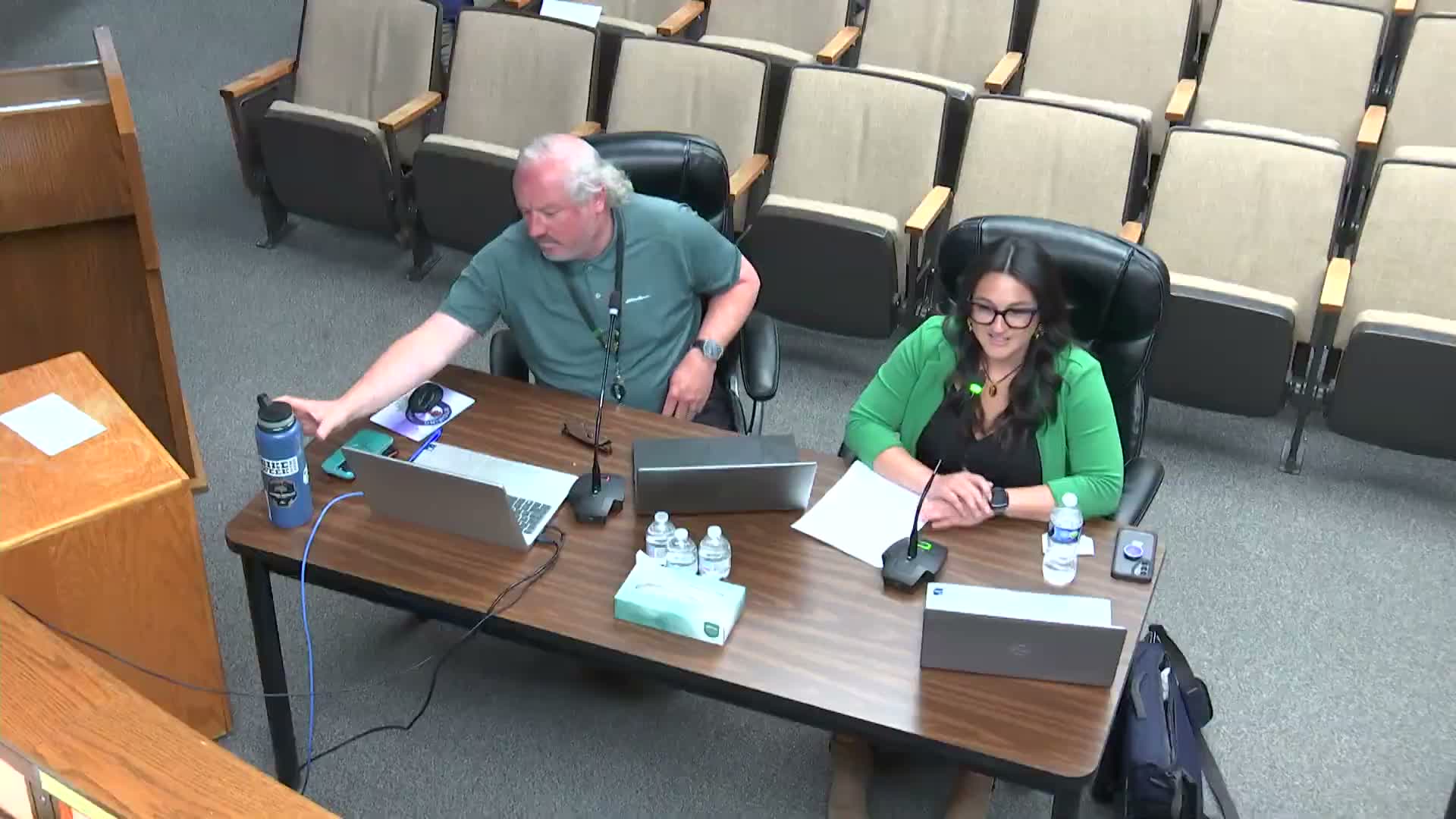
Sofia Mays, executive director of the Downtown Development Authority, told the Cheyenne City Council on May 15 that the DDA needs increased city support to stabilize operations and better serve downtown.
Mays said the DDA’s revenue is “only around $500,000,” that the authority had dispersed $71,375 in property improvement grants in the most recent fiscal year with $68,259 additionally committed, and that the DDA is requesting a 45% increase in personnel costs for fiscal year 2026 to cover cost-of-living adjustments, step increases and to convert a part-time marketing assistant into a full-time communications coordinator.
The DDA director framed the request as tied to the board’s statutory and public responsibilities. “The DDA is not a not for profit… It is a component unit of the city,” Mays said, citing state statute language and noting that the DDA’s board is appointed by the mayor and governing body, files bylaws with the city clerk, and submits its plan of development for planning commission review and governing-body adoption. She added that DDA documents will be public and that staff are developing a business-development toolkit and a state-of-downtown report intended for investors and the community.
Mays described recent downtown investments the DDA supported and proposed tools to strengthen communication and project delivery. She told the council the DDA’s work produced roughly $8,000 in revenue from temporary sign permits this year and that its grant activity totaled about $139,634 when dispersed and committed funds are combined.
Several councilmembers pressed for clarity about DDA scope and oversight. Dr. Aldridge cited state statute requirements and asked the DDA to prepare the “analysis of economic changes taking place in the central business district” that he said the statute (15-9-207) requires. Mays responded that the DDA creates public planning documents and that mill-levy funds can be used for public improvements, including residential sidewalks, and that the DDA’s duties extend to revitalizing the downtown district as a whole.
City Treasurer Robin Lachman and other staff clarified budget mechanics: the council was told some line-item differences shown in the materials reflect encumbered or rolled-over funds rather than new expenditures. When asked whether the city’s provision of staff to the DDA constitutes a conflict of interest, Mays and staff noted the DDA is a municipal component unit and pointed to city code provisions (city code 2.7606(b)) allowing work programs and cooperative arrangements when the governing body and DDA see a need for increased support.
The council did not take a vote on the DDA request during the work session. Councilmembers asked staff for additional documentation and statutory analyses; staff committed to follow up and to provide the reports and materials requested.
The council moved on to other budget items and scheduled a smaller follow-up meeting to discuss personnel and annexation-related concerns raised later in the session.
Mays said the DDA’s revenue is “only around $500,000,” that the authority had dispersed $71,375 in property improvement grants in the most recent fiscal year with $68,259 additionally committed, and that the DDA is requesting a 45% increase in personnel costs for fiscal year 2026 to cover cost-of-living adjustments, step increases and to convert a part-time marketing assistant into a full-time communications coordinator.
The DDA director framed the request as tied to the board’s statutory and public responsibilities. “The DDA is not a not for profit… It is a component unit of the city,” Mays said, citing state statute language and noting that the DDA’s board is appointed by the mayor and governing body, files bylaws with the city clerk, and submits its plan of development for planning commission review and governing-body adoption. She added that DDA documents will be public and that staff are developing a business-development toolkit and a state-of-downtown report intended for investors and the community.
Mays described recent downtown investments the DDA supported and proposed tools to strengthen communication and project delivery. She told the council the DDA’s work produced roughly $8,000 in revenue from temporary sign permits this year and that its grant activity totaled about $139,634 when dispersed and committed funds are combined.
Several councilmembers pressed for clarity about DDA scope and oversight. Dr. Aldridge cited state statute requirements and asked the DDA to prepare the “analysis of economic changes taking place in the central business district” that he said the statute (15-9-207) requires. Mays responded that the DDA creates public planning documents and that mill-levy funds can be used for public improvements, including residential sidewalks, and that the DDA’s duties extend to revitalizing the downtown district as a whole.
City Treasurer Robin Lachman and other staff clarified budget mechanics: the council was told some line-item differences shown in the materials reflect encumbered or rolled-over funds rather than new expenditures. When asked whether the city’s provision of staff to the DDA constitutes a conflict of interest, Mays and staff noted the DDA is a municipal component unit and pointed to city code provisions (city code 2.7606(b)) allowing work programs and cooperative arrangements when the governing body and DDA see a need for increased support.
The council did not take a vote on the DDA request during the work session. Councilmembers asked staff for additional documentation and statutory analyses; staff committed to follow up and to provide the reports and materials requested.
The council moved on to other budget items and scheduled a smaller follow-up meeting to discuss personnel and annexation-related concerns raised later in the session.
Don't Miss a Word: See the Full Meeting!
Go beyond summaries. Unlock every video, transcript, and key insight with a Founder Membership.
✓
Get instant access to full meeting videos
✓
Search and clip any phrase from complete transcripts
✓
Receive AI-powered summaries & custom alerts
✓
Enjoy lifetime, unrestricted access to government data
30-day money-back guarantee
