Kauai public commenters press OHA on land-title help, signage and school contamination
May 15, 2026 | Task Force Created by Act 170, Executive , Hawaii
This article was created by AI summarizing key points discussed. AI makes mistakes, so for full details and context, please refer to the video of the full meeting. Please report any errors so we can fix them. Report an error »
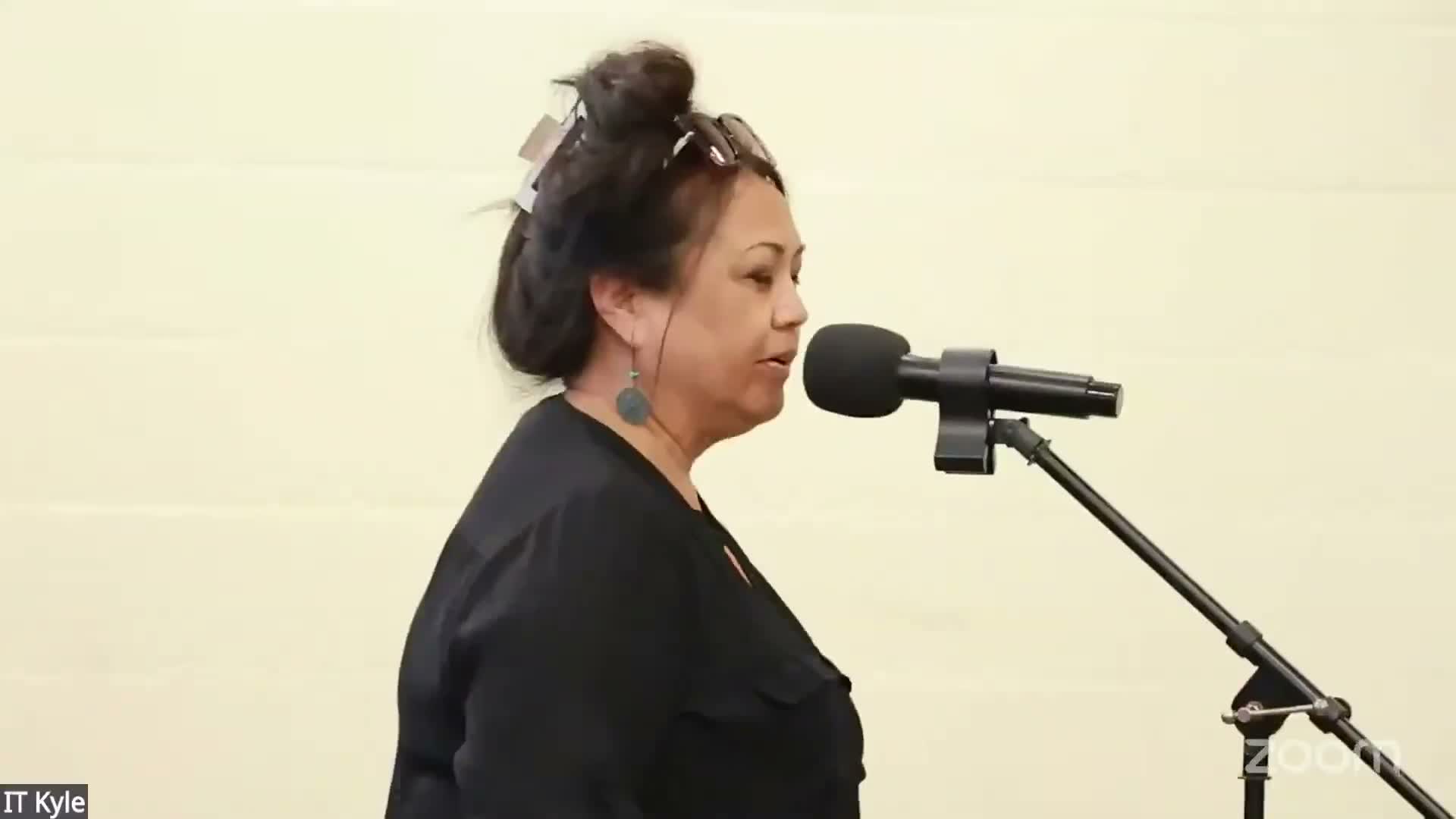
Several community presenters and commenters used the Kauai meeting to press OHA on local land stewardship, cultural signage and environmental health issues.
Cherry Cummings asked how OHA supports families with kuleana lands, Mahele awards or private titles who are not part of formal land trusts and requested clarity about where Kanaka ʻŌiwi families should turn for legal help. An OHA representative said OHA funds the Native Hawaiian Legal Corporation (NHLC) and described it as an independent nonprofit legal service OHA supports with a contract (the speaker referenced roughly $1.5 million a year) that provides representation and research on native-rights cases. The speaker encouraged residents who had an unsatisfactory experience with NHLC to return to them and to mention that they raised the matter with the board.
A presenter for Friends of Kamoli described cultural stewardship work, efforts to restore a disturbed burial mound, support for local farmers, and advocacy for dual-language signage; the group thanked OHA for a $14,400 grant that supported three community events and archaeological coordination.
Teri Harada, a community member, said many Native Hawaiian schools sit on so-called "brown sites" that have historical contamination from agricultural chemicals and argued that schools and parcels should be remediated and water quality assured before lands are transferred or granted. Harada expressed strong concern about military activity at the Pacific Missile Range Facility (PMRF), saying she observed no cleanup after launches and linking environmental contamination to community health concerns.
Board staff and trustees responded by pointing to existing OHA-funded legal resources and by thanking presenters for their stewardship and advocacy. No formal board votes or new policy directives on remediation were recorded at the meeting.
Cherry Cummings asked how OHA supports families with kuleana lands, Mahele awards or private titles who are not part of formal land trusts and requested clarity about where Kanaka ʻŌiwi families should turn for legal help. An OHA representative said OHA funds the Native Hawaiian Legal Corporation (NHLC) and described it as an independent nonprofit legal service OHA supports with a contract (the speaker referenced roughly $1.5 million a year) that provides representation and research on native-rights cases. The speaker encouraged residents who had an unsatisfactory experience with NHLC to return to them and to mention that they raised the matter with the board.
A presenter for Friends of Kamoli described cultural stewardship work, efforts to restore a disturbed burial mound, support for local farmers, and advocacy for dual-language signage; the group thanked OHA for a $14,400 grant that supported three community events and archaeological coordination.
Teri Harada, a community member, said many Native Hawaiian schools sit on so-called "brown sites" that have historical contamination from agricultural chemicals and argued that schools and parcels should be remediated and water quality assured before lands are transferred or granted. Harada expressed strong concern about military activity at the Pacific Missile Range Facility (PMRF), saying she observed no cleanup after launches and linking environmental contamination to community health concerns.
Board staff and trustees responded by pointing to existing OHA-funded legal resources and by thanking presenters for their stewardship and advocacy. No formal board votes or new policy directives on remediation were recorded at the meeting.
View the Full Meeting & All Its Details
This article offers just a summary. Unlock complete video, transcripts, and insights as a Founder Member.
✓
Watch full, unedited meeting videos
✓
Search every word spoken in unlimited transcripts
✓
AI summaries & real-time alerts (all government levels)
✓
Permanent access to expanding government content
30-day money-back guarantee
