City attorney briefs South Gate commission on Brown Act: public comment must be timed, serial communications barred
May 15, 2026 | South Gate, Los Angeles County, California
This article was created by AI summarizing key points discussed. AI makes mistakes, so for full details and context, please refer to the video of the full meeting. Please report any errors so we can fix them. Report an error »
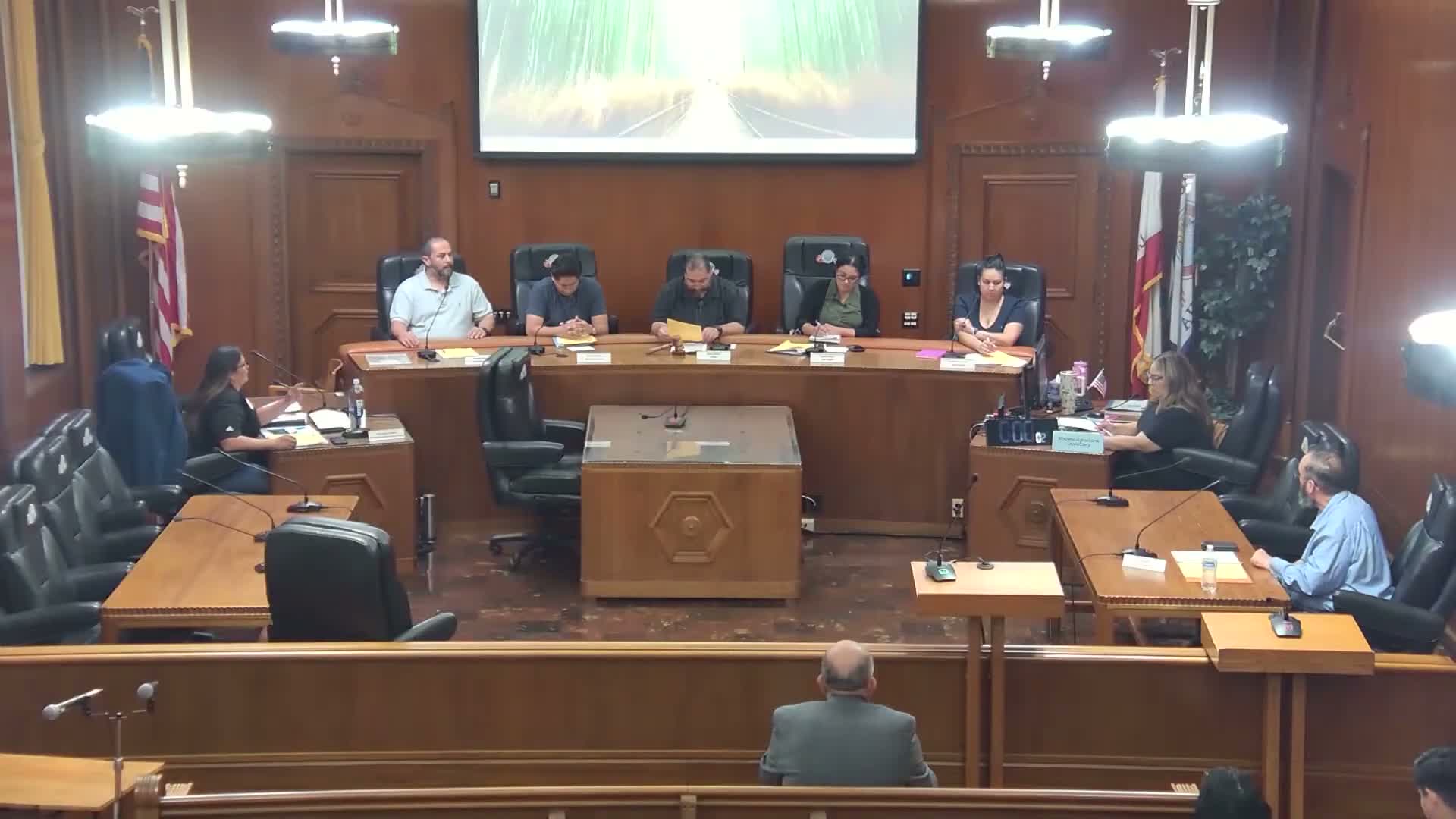
City Attorney Raul Salinas gave a detailed presentation to the South Gate Parks and Recreation Commission on May 14, reviewing the Brown Act’s purpose and how the commission must run public meetings. Salinas said the law exists "to allow for transparency" and to let the public see and comment on decisions before they are made.
Salinas told commissioners the routine sequence should be staff presentation, public comment, deliberation, motion and a roll-call vote. "Once public comment has ended, restrict further comments on that from the public," he said, adding that the commission should post agendas 72 hours before meetings so residents know what will be discussed.
Commissioners asked whether the body can reopen public comment after it has closed. Salinas said reopening is discretionary but should be rare: it may be reasonable if someone literally arrives at the door and asks to speak before deliberations begin, but it becomes a problem once deliberations have started. "If you've already started the deliberations in earnest and you're getting ready to make the motion… public comment has ended," he said.
On internal coordination, Salinas warned against serial communications among commissioners. He described a "spoke in a wheel" scenario in which individual members poll colleagues outside a public meeting to determine support for an item. "That's called a serial meeting," he said. "You're not allowed to do those kind of serial meetings." He also cited conflicts-of-interest rules administered by the Fair Political Practices Commission and the government code, noting recusal is required when a commissioner has a financial interest within a 500-foot standard unless a narrow public-general exception applies.
Salinas repeatedly urged uniformity: follow the agenda, allow public comment on items as noticed, and avoid ad hoc exceptions that can raise fairness or legal concerns. Commissioners accepted the presentation and voted to receive the briefing "on file."
What’s next: Commissioners asked staff to circulate the presentation and said they will seek legal guidance before taking actions that might be construed as lobbying or endorsements. The commission will also consider adding training or procedure clarifications to future agendas to ensure consistent application of the rules.
Salinas told commissioners the routine sequence should be staff presentation, public comment, deliberation, motion and a roll-call vote. "Once public comment has ended, restrict further comments on that from the public," he said, adding that the commission should post agendas 72 hours before meetings so residents know what will be discussed.
Commissioners asked whether the body can reopen public comment after it has closed. Salinas said reopening is discretionary but should be rare: it may be reasonable if someone literally arrives at the door and asks to speak before deliberations begin, but it becomes a problem once deliberations have started. "If you've already started the deliberations in earnest and you're getting ready to make the motion… public comment has ended," he said.
On internal coordination, Salinas warned against serial communications among commissioners. He described a "spoke in a wheel" scenario in which individual members poll colleagues outside a public meeting to determine support for an item. "That's called a serial meeting," he said. "You're not allowed to do those kind of serial meetings." He also cited conflicts-of-interest rules administered by the Fair Political Practices Commission and the government code, noting recusal is required when a commissioner has a financial interest within a 500-foot standard unless a narrow public-general exception applies.
Salinas repeatedly urged uniformity: follow the agenda, allow public comment on items as noticed, and avoid ad hoc exceptions that can raise fairness or legal concerns. Commissioners accepted the presentation and voted to receive the briefing "on file."
What’s next: Commissioners asked staff to circulate the presentation and said they will seek legal guidance before taking actions that might be construed as lobbying or endorsements. The commission will also consider adding training or procedure clarifications to future agendas to ensure consistent application of the rules.
Don't Miss a Word: See the Full Meeting!
Go beyond summaries. Unlock every video, transcript, and key insight with a Founder Membership.
✓
Get instant access to full meeting videos
✓
Search and clip any phrase from complete transcripts
✓
Receive AI-powered summaries & custom alerts
✓
Enjoy lifetime, unrestricted access to government data
30-day money-back guarantee
