Local youth sports and aquatics report growth, warn of parking and funding pressures
May 15, 2026 | South Gate, Los Angeles County, California
This article was created by AI summarizing key points discussed. AI makes mistakes, so for full details and context, please refer to the video of the full meeting. Please report any errors so we can fix them. Report an error »
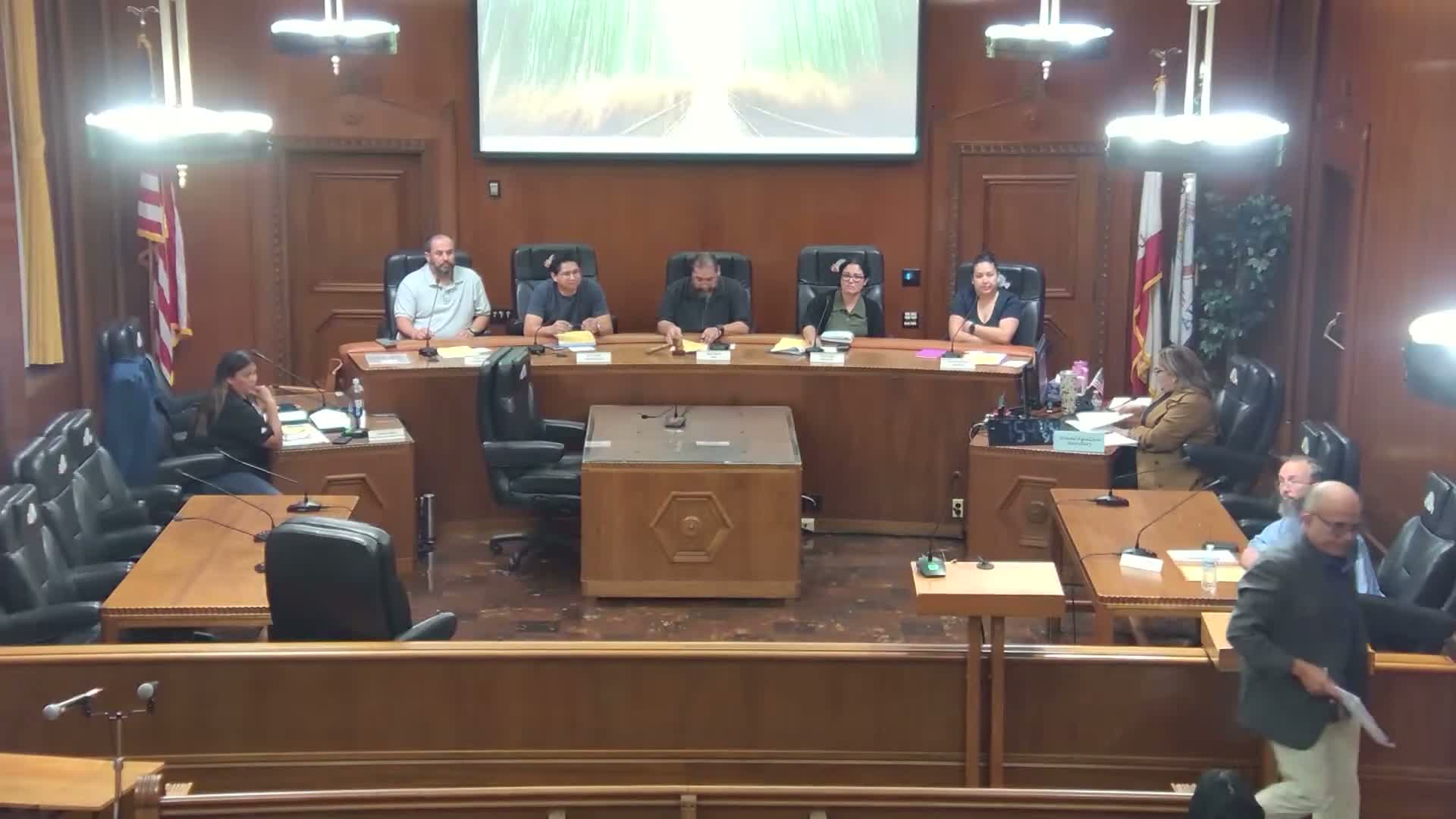
Partner organizations at the South Gate Parks and Recreation Commission’s May 14 meeting summarized the year’s participation and rising demand, generating praise from commissioners and operational questions about parking and funding.
Maria Cortez, representing AYSO, told the commission the program served about 206 players in spring 2025 and about 450 in the fall, putting the total "over 600," and said organizers aim to reach 1,000 players per season. "We're a 100% volunteer based program," Cortez said, adding that capacity constraints and field time are the biggest challenges. Commissioners suggested partner groups pursue CDBG and other grant opportunities and flagged the record-keeping burden those programs can create.
Aquatics supervisor Leslie Conseil described swim programming that runs roughly March–November and a winter pre‑competitive feeder system that brings 10–20 new swimmers into teams each winter. Conseil said the pool regularly hosts two winter swim meets a month with about 500 swimmers per meet and that swim-lesson enrollment in March drew roughly 500 participants (300 group lessons and 200 private/semi‑private). "We try to keep [pool temperature] at 82 degrees year round," Conseil said in response to senior-user questions about warmth.
Both partners and residents asked why partner reports sometimes omit fee schedules and per-participant costs. A member of the public asked, "Why aren't there any numbers pertaining to how much the residents pay to participate?" Staff replied that current reporting requirements ask for accomplishments and goals rather than detailed financial statements, though organizations sometimes provide extra material voluntarily.
Operational concerns surfaced about Holiday Park gates and parking. AYSO and other partners said gates open later in the day to reduce unstaffed pop‑up events; that timing creates problems for early games and can make referees hold or cancel matches when teams are late. Staff said the gates are kept closed at certain hours to prevent a surge of unpermitted car shows and similar events that create liability and cleanup costs.
What’s next: Commissioners asked staff to follow up with partner organizations about including a simple registration/fee summary in future reports and to explore targeted funding sources and practical parking solutions for peak game times.
Maria Cortez, representing AYSO, told the commission the program served about 206 players in spring 2025 and about 450 in the fall, putting the total "over 600," and said organizers aim to reach 1,000 players per season. "We're a 100% volunteer based program," Cortez said, adding that capacity constraints and field time are the biggest challenges. Commissioners suggested partner groups pursue CDBG and other grant opportunities and flagged the record-keeping burden those programs can create.
Aquatics supervisor Leslie Conseil described swim programming that runs roughly March–November and a winter pre‑competitive feeder system that brings 10–20 new swimmers into teams each winter. Conseil said the pool regularly hosts two winter swim meets a month with about 500 swimmers per meet and that swim-lesson enrollment in March drew roughly 500 participants (300 group lessons and 200 private/semi‑private). "We try to keep [pool temperature] at 82 degrees year round," Conseil said in response to senior-user questions about warmth.
Both partners and residents asked why partner reports sometimes omit fee schedules and per-participant costs. A member of the public asked, "Why aren't there any numbers pertaining to how much the residents pay to participate?" Staff replied that current reporting requirements ask for accomplishments and goals rather than detailed financial statements, though organizations sometimes provide extra material voluntarily.
Operational concerns surfaced about Holiday Park gates and parking. AYSO and other partners said gates open later in the day to reduce unstaffed pop‑up events; that timing creates problems for early games and can make referees hold or cancel matches when teams are late. Staff said the gates are kept closed at certain hours to prevent a surge of unpermitted car shows and similar events that create liability and cleanup costs.
What’s next: Commissioners asked staff to follow up with partner organizations about including a simple registration/fee summary in future reports and to explore targeted funding sources and practical parking solutions for peak game times.
Don't Miss a Word: See the Full Meeting!
Go beyond summaries. Unlock every video, transcript, and key insight with a Founder Membership.
✓
Get instant access to full meeting videos
✓
Search and clip any phrase from complete transcripts
✓
Receive AI-powered summaries & custom alerts
✓
Enjoy lifetime, unrestricted access to government data
30-day money-back guarantee
