Johnson County rolls out naloxone vending machines; county reports 587 units dispensed
May 15, 2026 | Louisa County, Iowa
This article was created by AI summarizing key points discussed. AI makes mistakes, so for full details and context, please refer to the video of the full meeting. Please report any errors so we can fix them. Report an error »
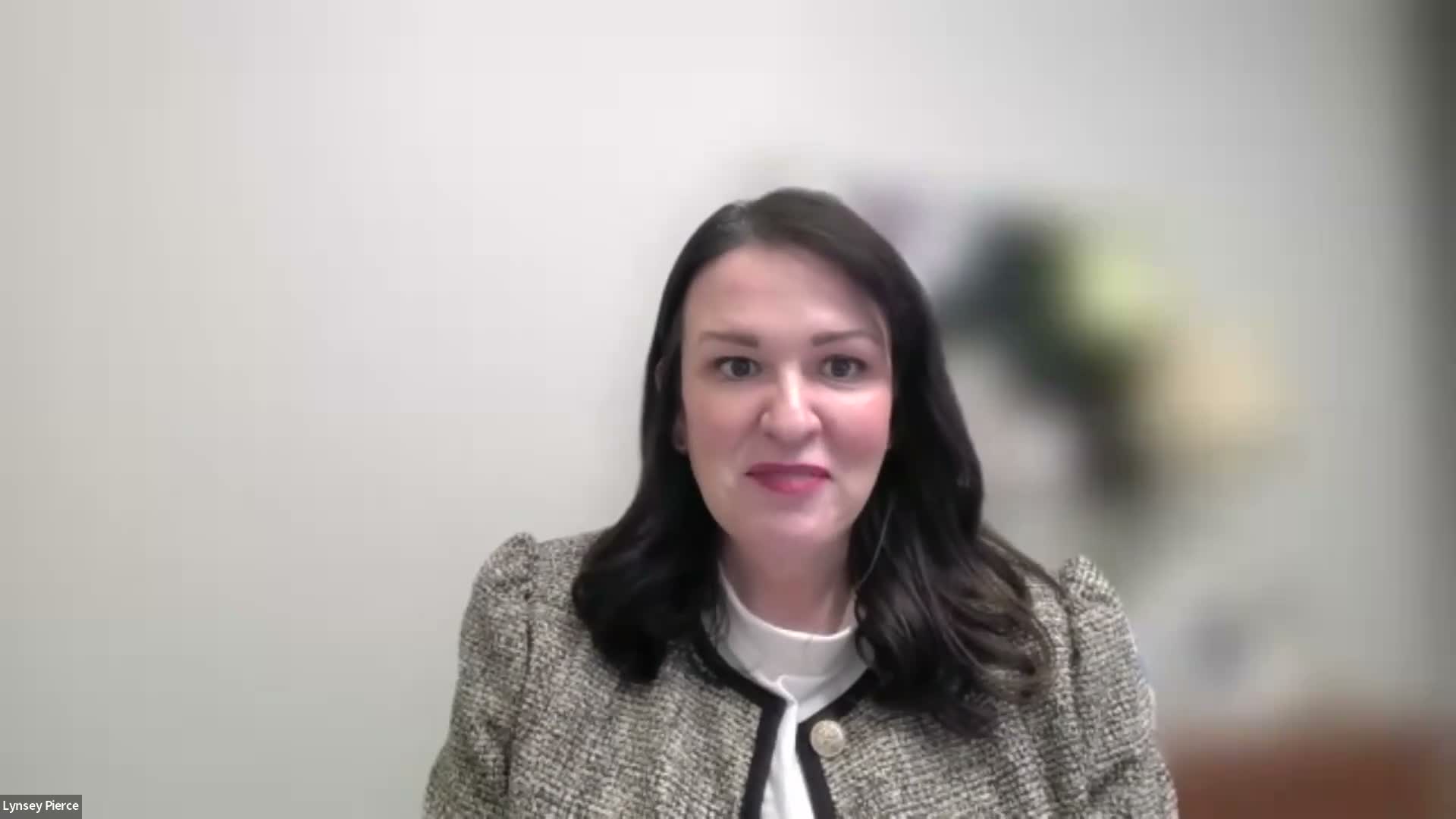
Sam Jarvis, community health division manager for Johnson County Public Health, described the county’s pilot program to make naloxone and other harm-reduction items available via vending machines at neutral, high-traffic locations.
The project aims to expand low-barrier naloxone access using opioid settlement funds. “This is from our board office of just how much the county expects to get … just over 6,000,000 by 2038,” Jarvis said, noting settlement funds are restricted to opioid-related expenditures. Johnson County placed four machines at public libraries, Deadwood Tavern, and at Johnson County HHS, and has developed site agreements or memorandums of understanding with hosts to support monitoring and restocking.
Jarvis said the four vending machines cost roughly $29,000 total and that naloxone purchases from August through January were about $20,000; the program’s tracked costs for the launch period totaled about $59,000. He reported the machines dispensed 587 naloxone units and roughly 4,000 total items during that period. Jarvis described a monthly restocking cadence and vendor pricing that informed projections for the coming fiscal year.
The county is pairing the machines with evaluation and outreach: machines carry brochures and QR-code surveys to collect user stories and reasons for taking items, and partners include the VA hospital and internal integrated testing services for additional supplies. Jarvis said host sites generally keep a bulk supply on site and contact the county when they need restocking; county staff then deliver replenishment boxes.
Panelists raised logistics such as outdoor placement and cold-weather performance. Jarvis said most machines are placed indoors; the one outdoor machine at HHS has fog-prevention glass and monitored temperature. “If it freezes, obviously it can’t be used in that moment, but when it unfreezes, it shouldn’t be harmed,” he said, adding that some temperature-sensitive items are kept out of outdoor machines.
Jarvis said the program remains under active review: the board of supervisors received a progress briefing and supports continuing the effort, and county staff are budgeting for maintenance and considering an additional machine or small community grant period to support new opioid-related initiatives.
Next steps include continued stocking, community evaluation via QR surveys, and conversations with partners about potential new host locations.
The project aims to expand low-barrier naloxone access using opioid settlement funds. “This is from our board office of just how much the county expects to get … just over 6,000,000 by 2038,” Jarvis said, noting settlement funds are restricted to opioid-related expenditures. Johnson County placed four machines at public libraries, Deadwood Tavern, and at Johnson County HHS, and has developed site agreements or memorandums of understanding with hosts to support monitoring and restocking.
Jarvis said the four vending machines cost roughly $29,000 total and that naloxone purchases from August through January were about $20,000; the program’s tracked costs for the launch period totaled about $59,000. He reported the machines dispensed 587 naloxone units and roughly 4,000 total items during that period. Jarvis described a monthly restocking cadence and vendor pricing that informed projections for the coming fiscal year.
The county is pairing the machines with evaluation and outreach: machines carry brochures and QR-code surveys to collect user stories and reasons for taking items, and partners include the VA hospital and internal integrated testing services for additional supplies. Jarvis said host sites generally keep a bulk supply on site and contact the county when they need restocking; county staff then deliver replenishment boxes.
Panelists raised logistics such as outdoor placement and cold-weather performance. Jarvis said most machines are placed indoors; the one outdoor machine at HHS has fog-prevention glass and monitored temperature. “If it freezes, obviously it can’t be used in that moment, but when it unfreezes, it shouldn’t be harmed,” he said, adding that some temperature-sensitive items are kept out of outdoor machines.
Jarvis said the program remains under active review: the board of supervisors received a progress briefing and supports continuing the effort, and county staff are budgeting for maintenance and considering an additional machine or small community grant period to support new opioid-related initiatives.
Next steps include continued stocking, community evaluation via QR surveys, and conversations with partners about potential new host locations.
View the Full Meeting & All Its Details
This article offers just a summary. Unlock complete video, transcripts, and insights as a Founder Member.
✓
Watch full, unedited meeting videos
✓
Search every word spoken in unlimited transcripts
✓
AI summaries & real-time alerts (all government levels)
✓
Permanent access to expanding government content
30-day money-back guarantee
