Ringgold County uses settlement dollars for shelter, sheriff app and school prevention
May 15, 2026 | Louisa County, Iowa
This article was created by AI summarizing key points discussed. AI makes mistakes, so for full details and context, please refer to the video of the full meeting. Please report any errors so we can fix them. Report an error »
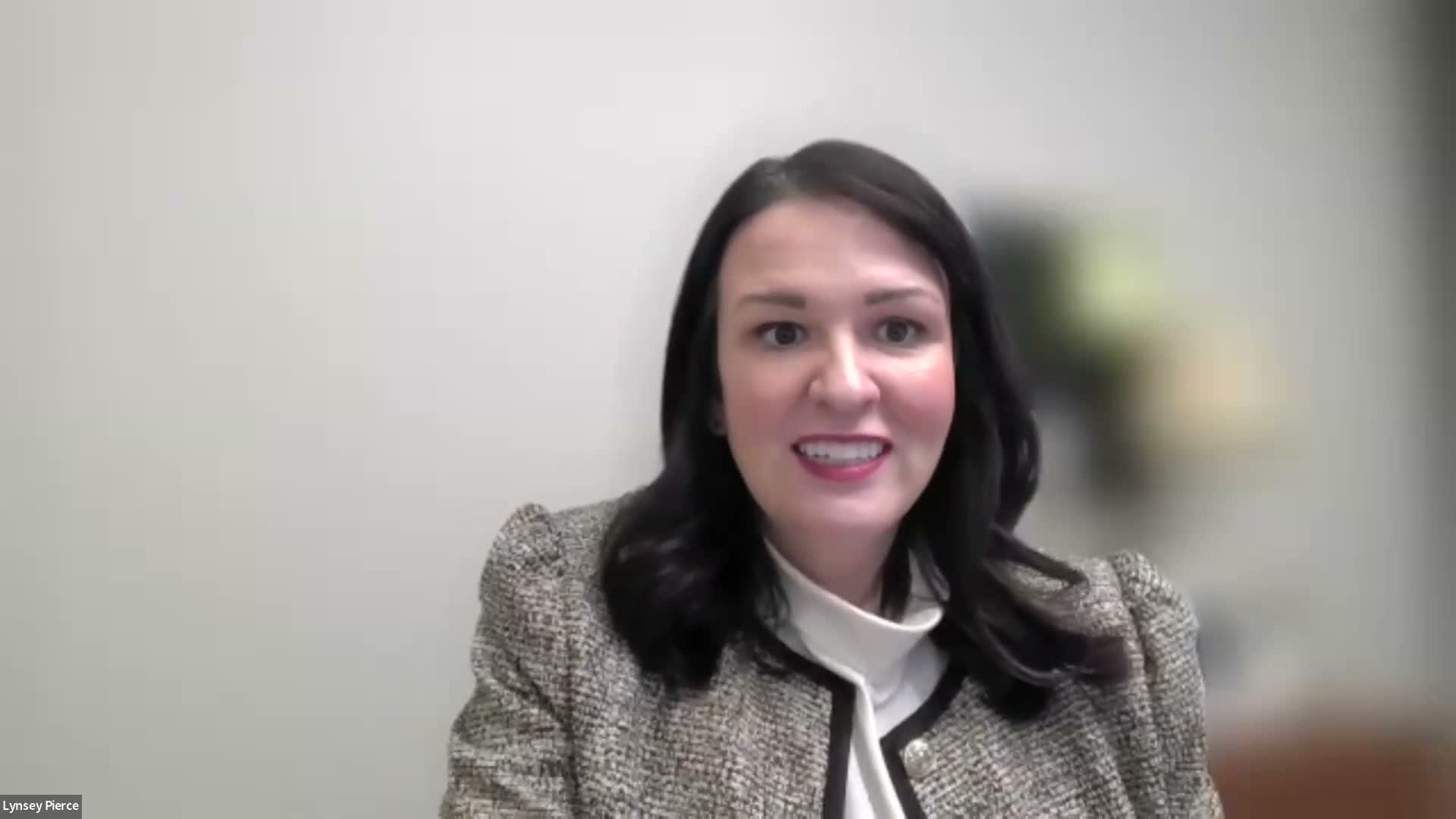
Amanda Woske, Ringgold County auditor, told the webinar that Ringgold has set up a separate fund to track opioid settlement revenue and expenses and that the county has “received so far just over 63,000 and have only spent not even 30 yet.”
Woske highlighted several local uses of those funds: a contribution to Circle of Freedom, a women’s shelter that supports recovery and reentry; payment for a sheriff’s mobile app that includes opioid resources and referral information; and funding a Tall Cop presentation that was delivered to educators, first responders and students. Woske said the Tall Cop visit helped the county and school administration see the benefit of a school resource officer; the county now allocates a portion of SRO time that focuses on drug education to opioid funding.
She described the county’s approach as intentionally broad: “As long as it’s anything that you can think of that is touching on opioid, addiction and trying to mitigate that, we see that as a good use of funding,” Woske said. She encouraged counties to work with local partners (licensed treatment provider Zion, the county hospital, public health and law enforcement) when designing programs and noted the sheriff has requested a medication disposal unit tied to National Drug Take Back Day.
Woske offered to share Tall Cop contact information with ISAC so other counties can replicate the program. She emphasized that smaller counties with limited staff and capacity can use settlement funds in practical, community-specific ways while preserving remaining balances for future needs.
The auditor closed by encouraging peer sharing and said she would follow up with program materials to be distributed to attendees.
Woske highlighted several local uses of those funds: a contribution to Circle of Freedom, a women’s shelter that supports recovery and reentry; payment for a sheriff’s mobile app that includes opioid resources and referral information; and funding a Tall Cop presentation that was delivered to educators, first responders and students. Woske said the Tall Cop visit helped the county and school administration see the benefit of a school resource officer; the county now allocates a portion of SRO time that focuses on drug education to opioid funding.
She described the county’s approach as intentionally broad: “As long as it’s anything that you can think of that is touching on opioid, addiction and trying to mitigate that, we see that as a good use of funding,” Woske said. She encouraged counties to work with local partners (licensed treatment provider Zion, the county hospital, public health and law enforcement) when designing programs and noted the sheriff has requested a medication disposal unit tied to National Drug Take Back Day.
Woske offered to share Tall Cop contact information with ISAC so other counties can replicate the program. She emphasized that smaller counties with limited staff and capacity can use settlement funds in practical, community-specific ways while preserving remaining balances for future needs.
The auditor closed by encouraging peer sharing and said she would follow up with program materials to be distributed to attendees.
View the Full Meeting & All Its Details
This article offers just a summary. Unlock complete video, transcripts, and insights as a Founder Member.
✓
Watch full, unedited meeting videos
✓
Search every word spoken in unlimited transcripts
✓
AI summaries & real-time alerts (all government levels)
✓
Permanent access to expanding government content
30-day money-back guarantee
