Chair says bill marking up U.S. digital-asset rules will protect consumers, keep innovation domestic and strengthen security
May 14, 2026 | U.S. Senate Banking Committee GOP
This article was created by AI summarizing key points discussed. AI makes mistakes, so for full details and context, please refer to the video of the full meeting. Please report any errors so we can fix them. Report an error »
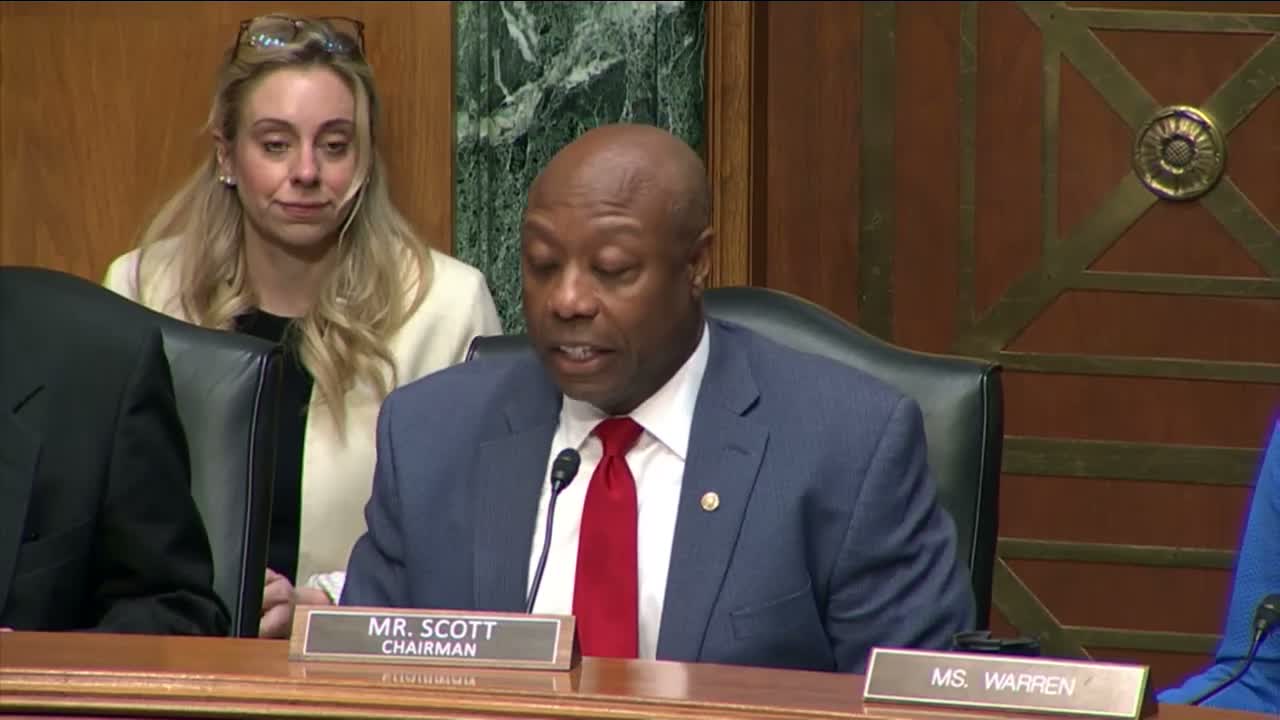
The chair opened the committee markup by saying it was “an important day, not just for this committee, but for the country,” and introduced a bill he said would bring digital assets out of a regulatory gray zone.
“Today, we changed that,” the chair said, announcing a bill the committee was marking up that he summarized as having “three simple goals”: protecting consumers, keeping innovation here at home, and safeguarding U.S. national security.
On consumer protection, the chair said the legislation would prioritize “clear disclosures, safeguards against fraud, and rules that keep markets open, fair, and efficient,” adding that the framework would give ordinary investors confidence that the system works for them. He said the bill aims to provide “real enforceable legal standards” so someone investing in digital assets would have protections under law.
The chair also framed the bill as a step to keep American innovation domestic, saying that “outdated rules, unpredictable enforcement, and outright hostility have forced far too many American companies overseas,” which cost jobs, investment and leadership. He said clearer rules would give U.S. builders and businesses “the clarity and certainty to do what they do best.”
On national security, the chair said the proposal strengthens anti-money-laundering and sanctions rules and would give law enforcement better tools to pursue criminals and hostile actors. “These tools make it harder to hide and easier to enforce the law,” he said.
Throughout his remarks the chair framed the effort as bipartisan, saying members “on both sides of the aisle chose to sit down, listen, and work” and that months of negotiations produced a draft in which Republicans “did not get everything we wanted, but we made real progress with our Democrat colleagues.”
The transcript records no bill number, amendment language or formal vote. The chair closed by saying he was proud of the committee’s work and looked forward to moving the bill forward.
“Today, we changed that,” the chair said, announcing a bill the committee was marking up that he summarized as having “three simple goals”: protecting consumers, keeping innovation here at home, and safeguarding U.S. national security.
On consumer protection, the chair said the legislation would prioritize “clear disclosures, safeguards against fraud, and rules that keep markets open, fair, and efficient,” adding that the framework would give ordinary investors confidence that the system works for them. He said the bill aims to provide “real enforceable legal standards” so someone investing in digital assets would have protections under law.
The chair also framed the bill as a step to keep American innovation domestic, saying that “outdated rules, unpredictable enforcement, and outright hostility have forced far too many American companies overseas,” which cost jobs, investment and leadership. He said clearer rules would give U.S. builders and businesses “the clarity and certainty to do what they do best.”
On national security, the chair said the proposal strengthens anti-money-laundering and sanctions rules and would give law enforcement better tools to pursue criminals and hostile actors. “These tools make it harder to hide and easier to enforce the law,” he said.
Throughout his remarks the chair framed the effort as bipartisan, saying members “on both sides of the aisle chose to sit down, listen, and work” and that months of negotiations produced a draft in which Republicans “did not get everything we wanted, but we made real progress with our Democrat colleagues.”
The transcript records no bill number, amendment language or formal vote. The chair closed by saying he was proud of the committee’s work and looked forward to moving the bill forward.
View the Full Meeting & All Its Details
This article offers just a summary. Unlock complete video, transcripts, and insights as a Founder Member.
✓
Watch full, unedited meeting videos
✓
Search every word spoken in unlimited transcripts
✓
AI summaries & real-time alerts (all government levels)
✓
Permanent access to expanding government content
30-day money-back guarantee
