Fire district urges study of outdoor-burning ordinance; commissioners ask for coordinated review
May 14, 2026 | Crook County, Oregon
This article was created by AI summarizing key points discussed. AI makes mistakes, so for full details and context, please refer to the video of the full meeting. Please report any errors so we can fix them. Report an error »
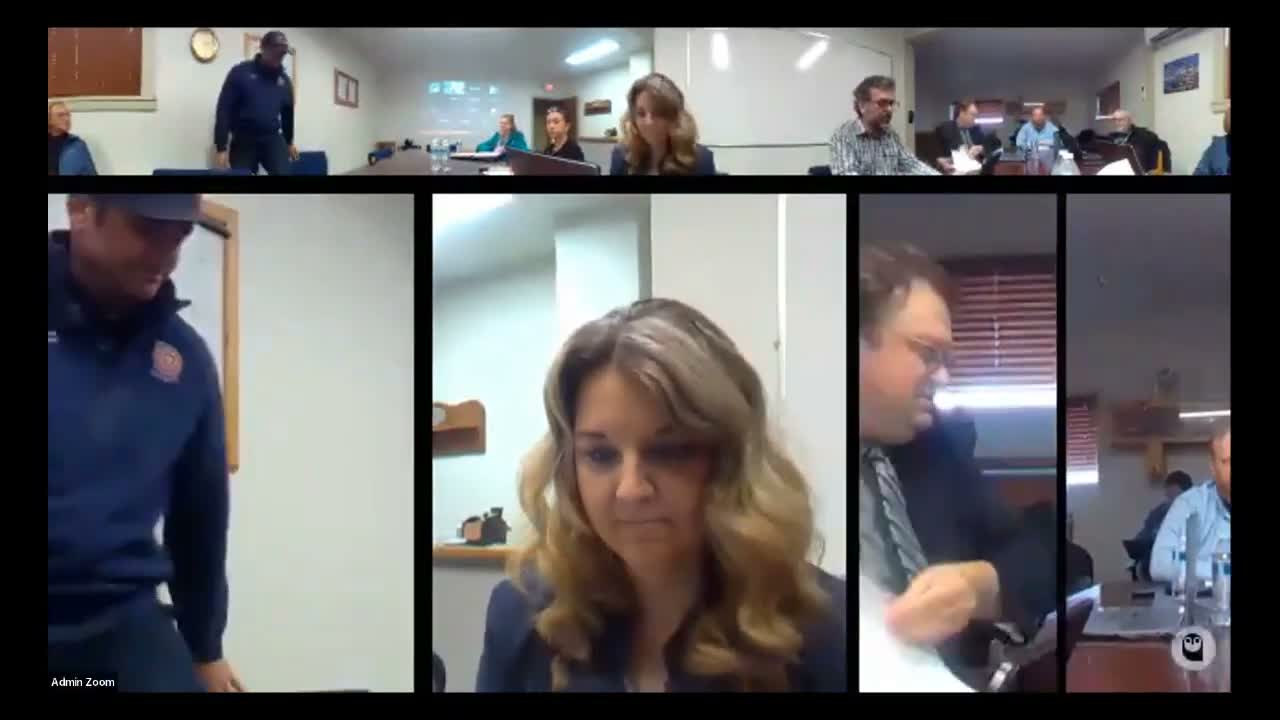
Christina Herron, the county's finance director, opened the work session with the treasurer's report, then the board turned to a draft amendment to the county's outdoor-burning ordinance intended to address an enforcement gap noted last summer.
Ross, speaking for the local fire district, told commissioners the criminal statutes for reckless burning and arson cover fires that cause property damage but do not always address smaller or ambiguous burning conduct. "The ordinance is really the level below that where it's not a crime; it's a violation like a seat-belt ticket," Ross said, explaining the county ordinance provides a civil enforcement tool and an educational framework to reduce risk.
Ross described the permit and burn-day process used by his district: callers must check a daily burn-line or county website, obtain a free permit for large debris or agricultural burns, and meet setback and tool requirements for burn barrels on restricted days. He cautioned that this is not the right time to open public hearings because agencies and the public are already highly focused on wildfire risk during the season. "I would recommend getting representatives from all those affected agencies together," he said, urging a coordinated study rather than immediate ordinance changes.
Commissioners acknowledged the ordinance's education-first intent and noted the county's penalties (a maximum fine listed in the draft and a smaller first-offense penalty) are designed to encourage compliance rather than criminalize mistakes. Several commissioners said they preferred a measured review focused on whether definitions or processes need to change and on avoiding unintended consequences with related state rules.
Action taken: the board directed staff to pursue a coordinated review and return with recommendations rather than moving the draft to public hearing during peak fire season. The commission did not adopt ordinance changes on the spot.
Why this matters: Commissioners cited public-safety concerns—smoke and ignition risk near active wildfires—and the need to ensure county rules align with state law and local agency practices. The board emphasized education, interagency coordination, and timing so any public hearings occur when the public can engage without heightened seasonal alarm.
What's next: Staff will convene affected agencies and return to the board with recommended changes, timing, and any potential impacts to enforcement or fee structures.
Ross, speaking for the local fire district, told commissioners the criminal statutes for reckless burning and arson cover fires that cause property damage but do not always address smaller or ambiguous burning conduct. "The ordinance is really the level below that where it's not a crime; it's a violation like a seat-belt ticket," Ross said, explaining the county ordinance provides a civil enforcement tool and an educational framework to reduce risk.
Ross described the permit and burn-day process used by his district: callers must check a daily burn-line or county website, obtain a free permit for large debris or agricultural burns, and meet setback and tool requirements for burn barrels on restricted days. He cautioned that this is not the right time to open public hearings because agencies and the public are already highly focused on wildfire risk during the season. "I would recommend getting representatives from all those affected agencies together," he said, urging a coordinated study rather than immediate ordinance changes.
Commissioners acknowledged the ordinance's education-first intent and noted the county's penalties (a maximum fine listed in the draft and a smaller first-offense penalty) are designed to encourage compliance rather than criminalize mistakes. Several commissioners said they preferred a measured review focused on whether definitions or processes need to change and on avoiding unintended consequences with related state rules.
Action taken: the board directed staff to pursue a coordinated review and return with recommendations rather than moving the draft to public hearing during peak fire season. The commission did not adopt ordinance changes on the spot.
Why this matters: Commissioners cited public-safety concerns—smoke and ignition risk near active wildfires—and the need to ensure county rules align with state law and local agency practices. The board emphasized education, interagency coordination, and timing so any public hearings occur when the public can engage without heightened seasonal alarm.
What's next: Staff will convene affected agencies and return to the board with recommended changes, timing, and any potential impacts to enforcement or fee structures.
View the Full Meeting & All Its Details
This article offers just a summary. Unlock complete video, transcripts, and insights as a Founder Member.
✓
Watch full, unedited meeting videos
✓
Search every word spoken in unlimited transcripts
✓
AI summaries & real-time alerts (all government levels)
✓
Permanent access to expanding government content
30-day money-back guarantee
