Panel at National Recording Registry event says reissues and cultural moments help songs endure
May 14, 2026 | U.S. Copyright Office, Library of Congress, Legislative, Federal
This article was created by AI summarizing key points discussed. AI makes mistakes, so for full details and context, please refer to the video of the full meeting. Please report any errors so we can fix them. Report an error »
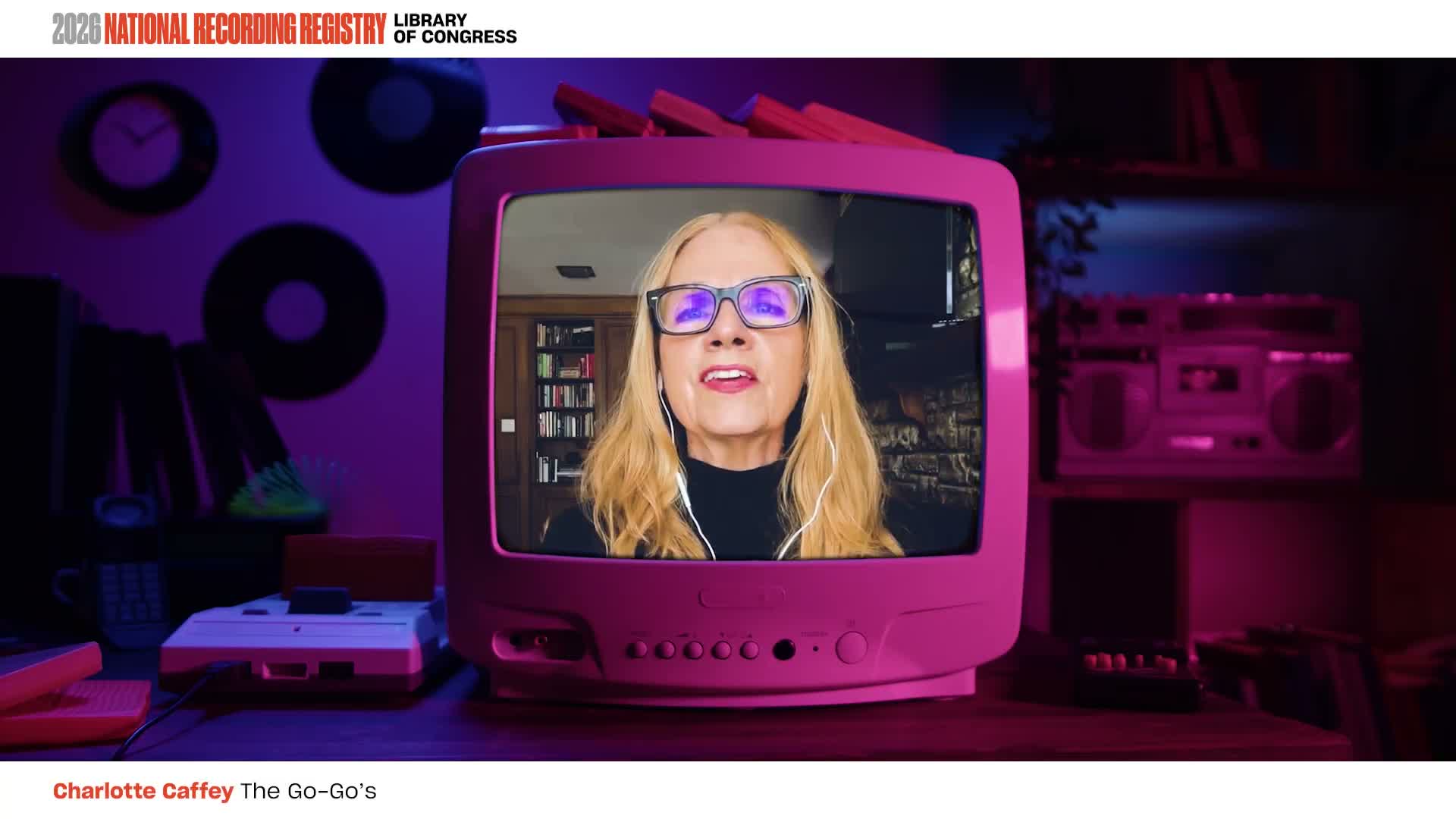
At an event marking the 2026 National Recording Registry, panelists discussed how reissues and cultural moments can revive and sustain the public life of recorded music.
Presenter, introducing the session, said, "Each year, the Library of Congress names 25 recordings as audio treasures for preservation," framing the Registry's role in protecting material that might otherwise be lost. Panelist 1 said a personal connection to the song "Put Your Head on My Shoulder," adding that the recording "became now a very huge song on TikTok" and that "no matter what age or when you're living, the song has some kind of a substance to it." The remarks illustrated the panel's broader point that rediscovery and cultural reuse can give older recordings renewed relevance.
Panelist 2 highlighted the role of reissues in bringing older work to new listeners: "Put out the thirtieth anniversary edition, and new people did start to find it," the panelist said, arguing that reissues can be a practical mechanism for resurfacing recordings. In response to a direct question about longevity, Questioner asked, "Is that something that does have staying power, that does last?" — prompting discussion about which factors produce lasting cultural impact.
Using examples, Panelist 2 and Panelist 3 pointed to genre-defining moments that expanded how music is understood. "Single Ladies had such an impact in part because it was a female empowerment anthem," Panelist 2 said, calling it a "girls' night out anthem" that altered popular reception. Panelist 3 described how Ray Charles' soulful takes on country songs "made these soulful, amazing recordings" and helped listeners perceive the material differently: "everybody went, well, this music is way more soulful." Panelist 2 returned to the theme of genre-shifting influence, asking rhetorically whether records by Ray Charles or Taylor Swift should be classified strictly by genre and noting that such works can change "not just their careers, but the course of music."
The panel's discussion emphasized preservation as an active process: the Registry does not simply archive recordings, it also calls attention to works that continue to generate cultural conversation. There were no formal votes or policy actions reported during the session; the event proceeded as a moderated conversation among the presenters and panelists.
The panel continued its discussion after the segments captured in the transcript.
Presenter, introducing the session, said, "Each year, the Library of Congress names 25 recordings as audio treasures for preservation," framing the Registry's role in protecting material that might otherwise be lost. Panelist 1 said a personal connection to the song "Put Your Head on My Shoulder," adding that the recording "became now a very huge song on TikTok" and that "no matter what age or when you're living, the song has some kind of a substance to it." The remarks illustrated the panel's broader point that rediscovery and cultural reuse can give older recordings renewed relevance.
Panelist 2 highlighted the role of reissues in bringing older work to new listeners: "Put out the thirtieth anniversary edition, and new people did start to find it," the panelist said, arguing that reissues can be a practical mechanism for resurfacing recordings. In response to a direct question about longevity, Questioner asked, "Is that something that does have staying power, that does last?" — prompting discussion about which factors produce lasting cultural impact.
Using examples, Panelist 2 and Panelist 3 pointed to genre-defining moments that expanded how music is understood. "Single Ladies had such an impact in part because it was a female empowerment anthem," Panelist 2 said, calling it a "girls' night out anthem" that altered popular reception. Panelist 3 described how Ray Charles' soulful takes on country songs "made these soulful, amazing recordings" and helped listeners perceive the material differently: "everybody went, well, this music is way more soulful." Panelist 2 returned to the theme of genre-shifting influence, asking rhetorically whether records by Ray Charles or Taylor Swift should be classified strictly by genre and noting that such works can change "not just their careers, but the course of music."
The panel's discussion emphasized preservation as an active process: the Registry does not simply archive recordings, it also calls attention to works that continue to generate cultural conversation. There were no formal votes or policy actions reported during the session; the event proceeded as a moderated conversation among the presenters and panelists.
The panel continued its discussion after the segments captured in the transcript.
Don't Miss a Word: See the Full Meeting!
Go beyond summaries. Unlock every video, transcript, and key insight with a Founder Membership.
✓
Get instant access to full meeting videos
✓
Search and clip any phrase from complete transcripts
✓
Receive AI-powered summaries & custom alerts
✓
Enjoy lifetime, unrestricted access to government data
30-day money-back guarantee
