National Gang Unit chief Amy Kelly: contraband cell phones a "game changer" for prison gangs
May 14, 2026 | Federal Bureau of Prisons (BOP), Department of Justice (DOJ), Executive, Federal
This article was created by AI summarizing key points discussed. AI makes mistakes, so for full details and context, please refer to the video of the full meeting. Please report any errors so we can fix them. Report an error »
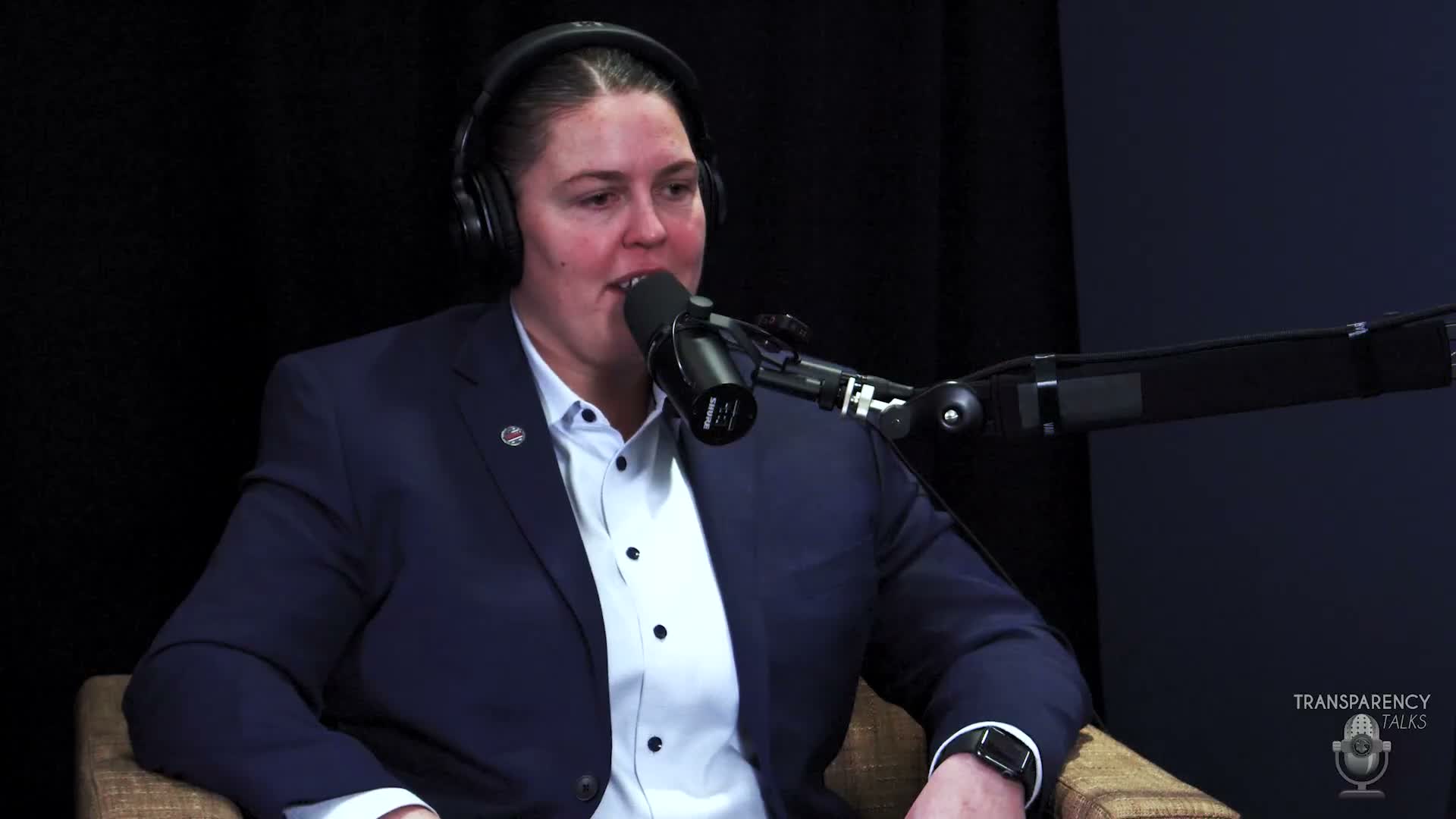
Amy Kelly, chief of the Federal Bureau of Prisons’ National Gang Unit, told the BOP’s Transparency Talks podcast that contraband cell phones have transformed how incarcerated gang leaders run criminal networks and that targeted, on-the-ground interventions can change behavior inside facilities.
"Cell phones, game changer, right?" Kelly said, describing how phones let individuals "conduct money transactions, communicate without us being able to know about it" and maintain organized pipelines between prisons and the outside. She said the National Gang Unit was founded in 2021 to collect intelligence from SIS (Special Investigative Services) shops and field offices nationwide and provide that fused intelligence to agency decision-makers.
Kelly said the Bureau tracks "over 80 gangs" and that "we have over 20,000 gang members in our custody at any given time out of 155,000 or so inmates in our custody." She stressed that gang-affiliated people are housed across custody levels — from camps to medium-security institutions to penitentiaries — and that violence and contraband are concerns at multiple custody levels.
Describing a recent intervention at USP Victorville, Kelly said leadership took a multi-tiered approach: boots on the ground, conversations with influential incarcerated leaders ("influentials" or "shot callers"), targeted removals of bad actors and visible infrastructure repairs. "When they see effective change on the ground, and people not just making promises, but moving dirt ... that gains a lot of credibility and a lot of respect," she said.
The moderator noted that the visit included an example presented to inmates of sentence relief under the First Step Act. "In fact, even so, even though that the First Step Act has been law for several years, the BOP has never, not once, approved one reduction sentence based on that," the moderator said; she added that at Victorville "that was the very first one," and said someone "left prison that day." The speakers framed that as an incentive to encourage programming and compliance, combined with enforcement options such as transfers to more secure facilities.
Kelly also described a program the transcript calls the "Gang Dys Association" program, which she said offers eligible inmates a path to drop out of gang life; the program requires intelligence debriefing, often involves outside law enforcement, and can result in placement in "safe," gang-free housing. She emphasized that participation is gated by criteria and that the unit does not accept debriefs without substantive intelligence.
On staff safety, Kelly said the unit seeks to "make it safer for our staff" through operational changes and by removing individuals who continue to introduce contraband or promote violence. She described emotional debriefs from longtime gang members who, after years in gangs, chose to leave that life and, in some cases, provided intelligence that helped the unit.
The podcast closed with both speakers emphasizing that changing entrenched prison gang dynamics takes sustained effort and a mix of incentives and enforcement. The Moderator thanked Kelly for joining the episode and for the unit's work to enhance public safety.
"Cell phones, game changer, right?" Kelly said, describing how phones let individuals "conduct money transactions, communicate without us being able to know about it" and maintain organized pipelines between prisons and the outside. She said the National Gang Unit was founded in 2021 to collect intelligence from SIS (Special Investigative Services) shops and field offices nationwide and provide that fused intelligence to agency decision-makers.
Kelly said the Bureau tracks "over 80 gangs" and that "we have over 20,000 gang members in our custody at any given time out of 155,000 or so inmates in our custody." She stressed that gang-affiliated people are housed across custody levels — from camps to medium-security institutions to penitentiaries — and that violence and contraband are concerns at multiple custody levels.
Describing a recent intervention at USP Victorville, Kelly said leadership took a multi-tiered approach: boots on the ground, conversations with influential incarcerated leaders ("influentials" or "shot callers"), targeted removals of bad actors and visible infrastructure repairs. "When they see effective change on the ground, and people not just making promises, but moving dirt ... that gains a lot of credibility and a lot of respect," she said.
The moderator noted that the visit included an example presented to inmates of sentence relief under the First Step Act. "In fact, even so, even though that the First Step Act has been law for several years, the BOP has never, not once, approved one reduction sentence based on that," the moderator said; she added that at Victorville "that was the very first one," and said someone "left prison that day." The speakers framed that as an incentive to encourage programming and compliance, combined with enforcement options such as transfers to more secure facilities.
Kelly also described a program the transcript calls the "Gang Dys Association" program, which she said offers eligible inmates a path to drop out of gang life; the program requires intelligence debriefing, often involves outside law enforcement, and can result in placement in "safe," gang-free housing. She emphasized that participation is gated by criteria and that the unit does not accept debriefs without substantive intelligence.
On staff safety, Kelly said the unit seeks to "make it safer for our staff" through operational changes and by removing individuals who continue to introduce contraband or promote violence. She described emotional debriefs from longtime gang members who, after years in gangs, chose to leave that life and, in some cases, provided intelligence that helped the unit.
The podcast closed with both speakers emphasizing that changing entrenched prison gang dynamics takes sustained effort and a mix of incentives and enforcement. The Moderator thanked Kelly for joining the episode and for the unit's work to enhance public safety.
View the Full Meeting & All Its Details
This article offers just a summary. Unlock complete video, transcripts, and insights as a Founder Member.
✓
Watch full, unedited meeting videos
✓
Search every word spoken in unlimited transcripts
✓
AI summaries & real-time alerts (all government levels)
✓
Permanent access to expanding government content
30-day money-back guarantee
