Probation director reviews caseloads, detention operations and new state data project at 13th Judicial Circuit meeting
May 14, 2026 | LaSalle County, Illinois
This article was created by AI summarizing key points discussed. AI makes mistakes, so for full details and context, please refer to the video of the full meeting. Please report any errors so we can fix them. Report an error »
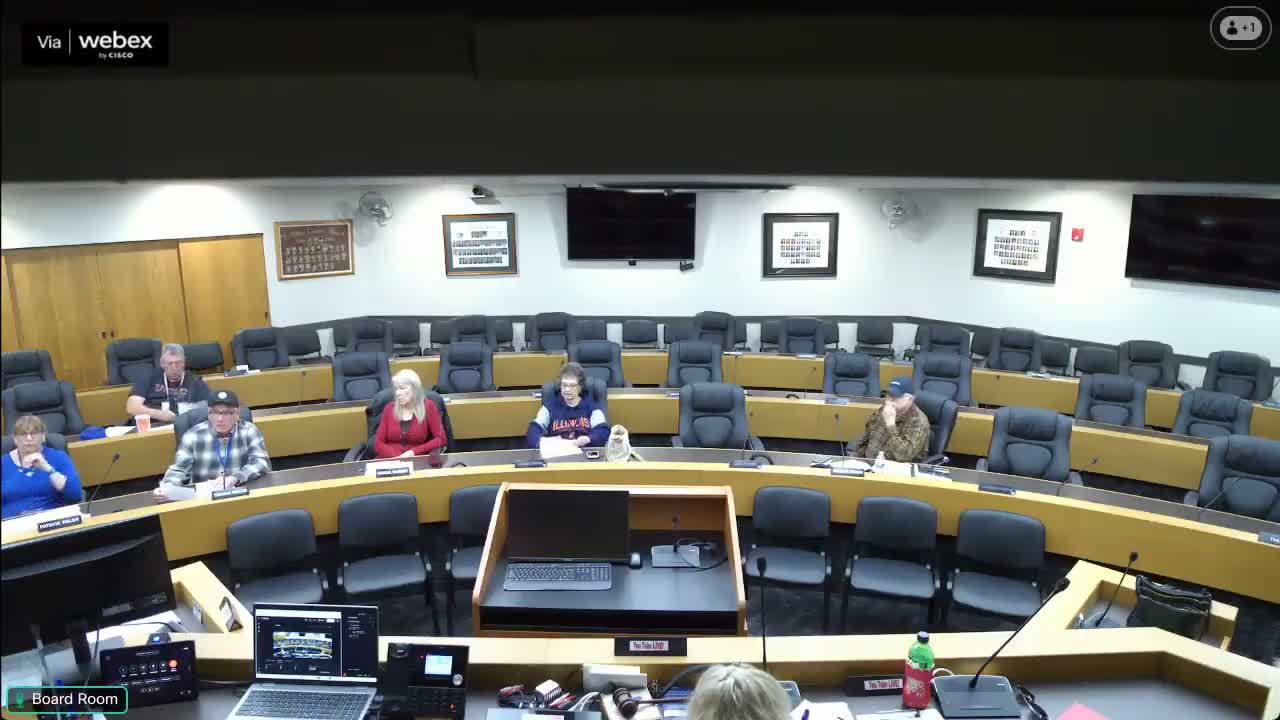
Chuck Goodwin, director of probation for the Thirteenth Judicial Circuit, opened the May 13 meeting and reviewed April statistics, county bills and upcoming administrative changes, including a state-run data project and ongoing juvenile detention practices.
Goodwin said April juvenile caseloads in the circuit were modest: LaSalle County had 83 active juvenile cases and eight administrative cases; Bureau County had 19 active juvenile cases and one administrative case; and Grundy County had 14 active juvenile cases and zero administrative cases. He reported circuit totals of 116 active juvenile cases, nine administrative juvenile cases and 125 juveniles on probation.
On adult caseloads and fees, Susan (who presented department reports) reported LaSalle County had an active adult caseload of 477 and an administrative caseload of 282; Bureau County had 124 active and 42 administrative; Grundy County had 42 active and 19 administrative. For April, probation fees ordered were $7,950 in LaSalle (collected $3,385.57; collected to date $14,611.49), $750 in Bureau (collected $412; collected to date $5,463.29) and $10,175 in Grundy (collected $916.37; collected to date $5,236.64). Susan gave circuit totals for April ordered fees of $18,875, ordered to date $79,490, April collections $4,713.94 and collected to date $25,311.42.
Members noted a correction to Grundy County’s administrative caseload: one attendee said the number should be 194 and that they would send an emailed correction to the group.
Susan also reviewed county bills and invoices for April. LaSalle County bills totaled $4,882.65 (including a software maintenance charge of $3,830.08 and $636.70 for meals out of circuit); Bureau County bills totaled $371.50; Grundy County bills totaled $793.02 and included a $6,975 invoice from River Valley Detention Center for Grundy County use.
Goodwin told the group the Administrative Office of the Illinois Courts (AOC) is moving forward with a data project that will allow the state to receive probation data directly from local case-management systems. "They are ready to move forward with this data project," he said, adding that testing will begin next week. He said the rollout will involve 14 case-management systems taken in increments and that local providers may face adaptation costs that are not yet known.
Members asked how the system will work and what reports the state will produce. Goodwin said the system (Tyler) will capture intake counts, placements in treatment programs, demographic breakdowns (race, gender, age), offense level and counts of investigations and commitments; it will also provide month-start and month-end caseload snapshots. He noted the system could be used to inform state funding decisions but stressed local staff do not yet know what adaptation or ongoing costs might be required.
Goodwin provided an extended description of juvenile detention operations for members who asked about placement and daily routines. He said LaSalle County operates its own detention facility funded by a detention-home property tax and that when necessary the county accepts youths from Grundy and Bureau counties. He described the facility’s schedule and services — structured meals, classroom instruction, supervised recreation, daily staff engagement, periodic therapy visits from North Central, and contracted psychological evaluations — and emphasized the facility is "not like going in the county jail," describing a supervised, structured environment and therapeutic and educational programming.
Procedural business was routine: the board approved the previous meeting minutes, accepted the department report and approved the bills for payment by voice votes. A motion to adjourn, moved by Bill and seconded by Sandy, passed and Goodwin closed the meeting and reminded members the next meeting will be June 10 at 10 a.m.
The meeting included a promise to circulate a corrected Grundy administrative caseload figure by email and raised open questions about the timeline and local costs for the AOC data project.
Goodwin said April juvenile caseloads in the circuit were modest: LaSalle County had 83 active juvenile cases and eight administrative cases; Bureau County had 19 active juvenile cases and one administrative case; and Grundy County had 14 active juvenile cases and zero administrative cases. He reported circuit totals of 116 active juvenile cases, nine administrative juvenile cases and 125 juveniles on probation.
On adult caseloads and fees, Susan (who presented department reports) reported LaSalle County had an active adult caseload of 477 and an administrative caseload of 282; Bureau County had 124 active and 42 administrative; Grundy County had 42 active and 19 administrative. For April, probation fees ordered were $7,950 in LaSalle (collected $3,385.57; collected to date $14,611.49), $750 in Bureau (collected $412; collected to date $5,463.29) and $10,175 in Grundy (collected $916.37; collected to date $5,236.64). Susan gave circuit totals for April ordered fees of $18,875, ordered to date $79,490, April collections $4,713.94 and collected to date $25,311.42.
Members noted a correction to Grundy County’s administrative caseload: one attendee said the number should be 194 and that they would send an emailed correction to the group.
Susan also reviewed county bills and invoices for April. LaSalle County bills totaled $4,882.65 (including a software maintenance charge of $3,830.08 and $636.70 for meals out of circuit); Bureau County bills totaled $371.50; Grundy County bills totaled $793.02 and included a $6,975 invoice from River Valley Detention Center for Grundy County use.
Goodwin told the group the Administrative Office of the Illinois Courts (AOC) is moving forward with a data project that will allow the state to receive probation data directly from local case-management systems. "They are ready to move forward with this data project," he said, adding that testing will begin next week. He said the rollout will involve 14 case-management systems taken in increments and that local providers may face adaptation costs that are not yet known.
Members asked how the system will work and what reports the state will produce. Goodwin said the system (Tyler) will capture intake counts, placements in treatment programs, demographic breakdowns (race, gender, age), offense level and counts of investigations and commitments; it will also provide month-start and month-end caseload snapshots. He noted the system could be used to inform state funding decisions but stressed local staff do not yet know what adaptation or ongoing costs might be required.
Goodwin provided an extended description of juvenile detention operations for members who asked about placement and daily routines. He said LaSalle County operates its own detention facility funded by a detention-home property tax and that when necessary the county accepts youths from Grundy and Bureau counties. He described the facility’s schedule and services — structured meals, classroom instruction, supervised recreation, daily staff engagement, periodic therapy visits from North Central, and contracted psychological evaluations — and emphasized the facility is "not like going in the county jail," describing a supervised, structured environment and therapeutic and educational programming.
Procedural business was routine: the board approved the previous meeting minutes, accepted the department report and approved the bills for payment by voice votes. A motion to adjourn, moved by Bill and seconded by Sandy, passed and Goodwin closed the meeting and reminded members the next meeting will be June 10 at 10 a.m.
The meeting included a promise to circulate a corrected Grundy administrative caseload figure by email and raised open questions about the timeline and local costs for the AOC data project.
View the Full Meeting & All Its Details
This article offers just a summary. Unlock complete video, transcripts, and insights as a Founder Member.
✓
Watch full, unedited meeting videos
✓
Search every word spoken in unlimited transcripts
✓
AI summaries & real-time alerts (all government levels)
✓
Permanent access to expanding government content
30-day money-back guarantee
