Committee debates amendment to define long‑term rentals for tax purposes, questions department capacity
May 14, 2026 | Finance, SENATE, Committees, Legislative , Vermont
This article was created by AI summarizing key points discussed. AI makes mistakes, so for full details and context, please refer to the video of the full meeting. Please report any errors so we can fix them. Report an error »
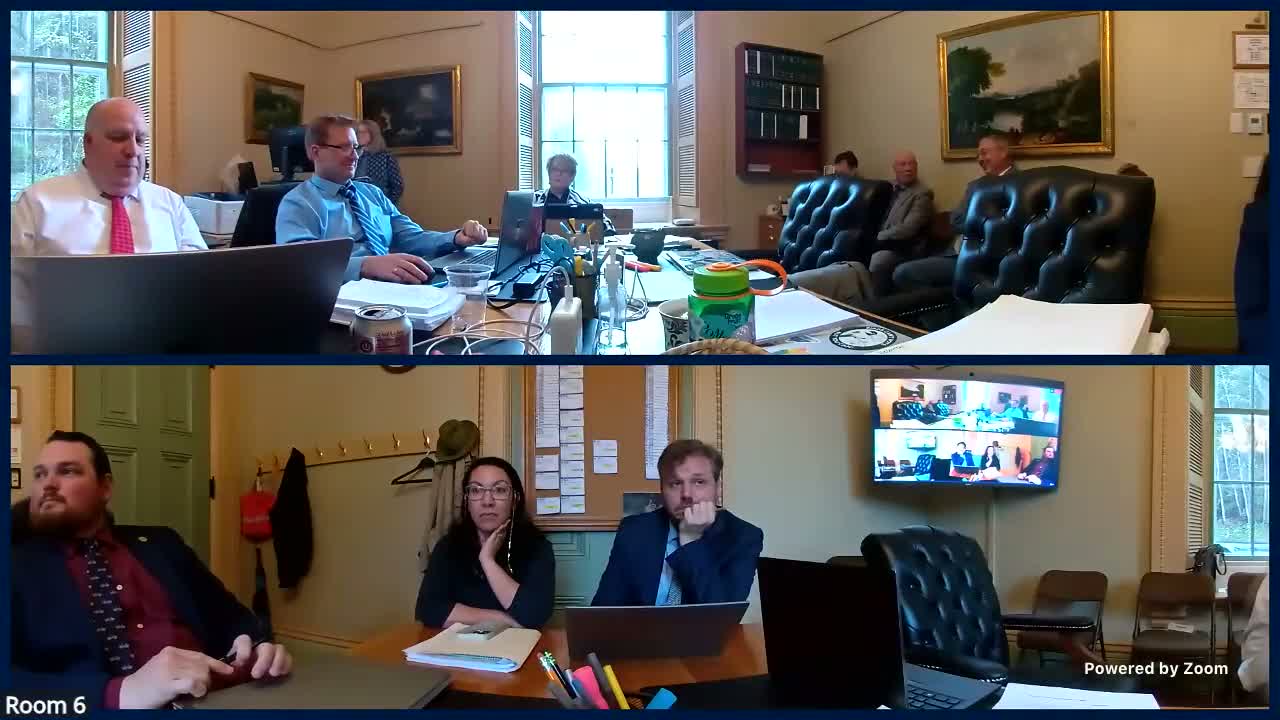
A legislative committee considered an amendment to the bill’s long‑term rental definition that would tie tax treatment to a filed landlord certificate and a minimum rental period, while also proposing a possible rent‑level test, members said.
A lawmaker and former chair of the Housing Policy Committee argued the committee does not seek to ban short‑term rentals outright and that tax policy should not function as a prohibition. The lawmaker said the committee reviews short‑term rental data annually and cited a contract with AirDNA and a state housing/finance agency to assess rental prevalence. “The housing policy committee has never determined that short term rentals are a bad instead of a good,” the lawmaker said.
Staff summarized the amendment’s core changes, saying it keeps a 30‑day minimum rental period and would require a landlord certificate “pursuant to section 60 69 of this title.” Staff described two additional criteria intended to establish a bona fide landlord‑tenant relationship: that the unit be rented by a natural person rather than solely through an entity formed for tax purposes, and that the rent equal or exceed 75% of the municipality’s fair‑market rent in some versions of the text.
Committee members pressed on implementation. A staff member said landlord certificates are used to match landlord attestations with renter rebate claims and that tax staff estimate about 80% compliance with certificate filing. “When tax receives a greater credit claim and there’s no company landlord certificate, they have to go and…” the staff member said, describing enforcement gaps.
Several lawmakers warned a 30‑day threshold could create a loophole for second‑home owners who rent briefly to avoid nonhomestead tax classification. One committee member said the language could allow a homeowner to rent for 30 days and retain the property as a second home; another suggested longer thresholds such as 60 or 90 days, or retaining the prior six‑month cumulative test, to distinguish seasonal or occasional rentals from long‑term leasing.
Members also disputed whether a statutory 75% fair‑market‑rent test is practical. A committee member asked where the percentage originated; staff and other members said HUD publishes fair‑market‑rent and area‑median‑income data that are commonly used in housing work, but cautioned determining a reliable, reproducible municipal figure could be complex and resource intensive. One member warned that placing that burden in statute without funding or staffing would be problematic.
The chair directed procedural and technical questions to the relevant agencies: questions about tax administration to the Department of Taxes and legal questions to the legal department. Members said they intended to move forward with an amendment and to gather additional data and technical input; the transcript records discussion but not a formal motion vote.
What happens next: committee staff will be asked to provide rental‑duration data and to coordinate with the Department of Taxes and legal counsel about implementation feasibility before the amendment is finalized.
A lawmaker and former chair of the Housing Policy Committee argued the committee does not seek to ban short‑term rentals outright and that tax policy should not function as a prohibition. The lawmaker said the committee reviews short‑term rental data annually and cited a contract with AirDNA and a state housing/finance agency to assess rental prevalence. “The housing policy committee has never determined that short term rentals are a bad instead of a good,” the lawmaker said.
Staff summarized the amendment’s core changes, saying it keeps a 30‑day minimum rental period and would require a landlord certificate “pursuant to section 60 69 of this title.” Staff described two additional criteria intended to establish a bona fide landlord‑tenant relationship: that the unit be rented by a natural person rather than solely through an entity formed for tax purposes, and that the rent equal or exceed 75% of the municipality’s fair‑market rent in some versions of the text.
Committee members pressed on implementation. A staff member said landlord certificates are used to match landlord attestations with renter rebate claims and that tax staff estimate about 80% compliance with certificate filing. “When tax receives a greater credit claim and there’s no company landlord certificate, they have to go and…” the staff member said, describing enforcement gaps.
Several lawmakers warned a 30‑day threshold could create a loophole for second‑home owners who rent briefly to avoid nonhomestead tax classification. One committee member said the language could allow a homeowner to rent for 30 days and retain the property as a second home; another suggested longer thresholds such as 60 or 90 days, or retaining the prior six‑month cumulative test, to distinguish seasonal or occasional rentals from long‑term leasing.
Members also disputed whether a statutory 75% fair‑market‑rent test is practical. A committee member asked where the percentage originated; staff and other members said HUD publishes fair‑market‑rent and area‑median‑income data that are commonly used in housing work, but cautioned determining a reliable, reproducible municipal figure could be complex and resource intensive. One member warned that placing that burden in statute without funding or staffing would be problematic.
The chair directed procedural and technical questions to the relevant agencies: questions about tax administration to the Department of Taxes and legal questions to the legal department. Members said they intended to move forward with an amendment and to gather additional data and technical input; the transcript records discussion but not a formal motion vote.
What happens next: committee staff will be asked to provide rental‑duration data and to coordinate with the Department of Taxes and legal counsel about implementation feasibility before the amendment is finalized.
View the Full Meeting & All Its Details
This article offers just a summary. Unlock complete video, transcripts, and insights as a Founder Member.
✓
Watch full, unedited meeting videos
✓
Search every word spoken in unlimited transcripts
✓
AI summaries & real-time alerts (all government levels)
✓
Permanent access to expanding government content
30-day money-back guarantee
