Roswell transportation director outlines resurfacing plan, TSPLOST priorities and traffic-calming work
May 13, 2026 | Roswell, Fulton County, Georgia
This article was created by AI summarizing key points discussed. AI makes mistakes, so for full details and context, please refer to the video of the full meeting. Please report any errors so we can fix them. Report an error »
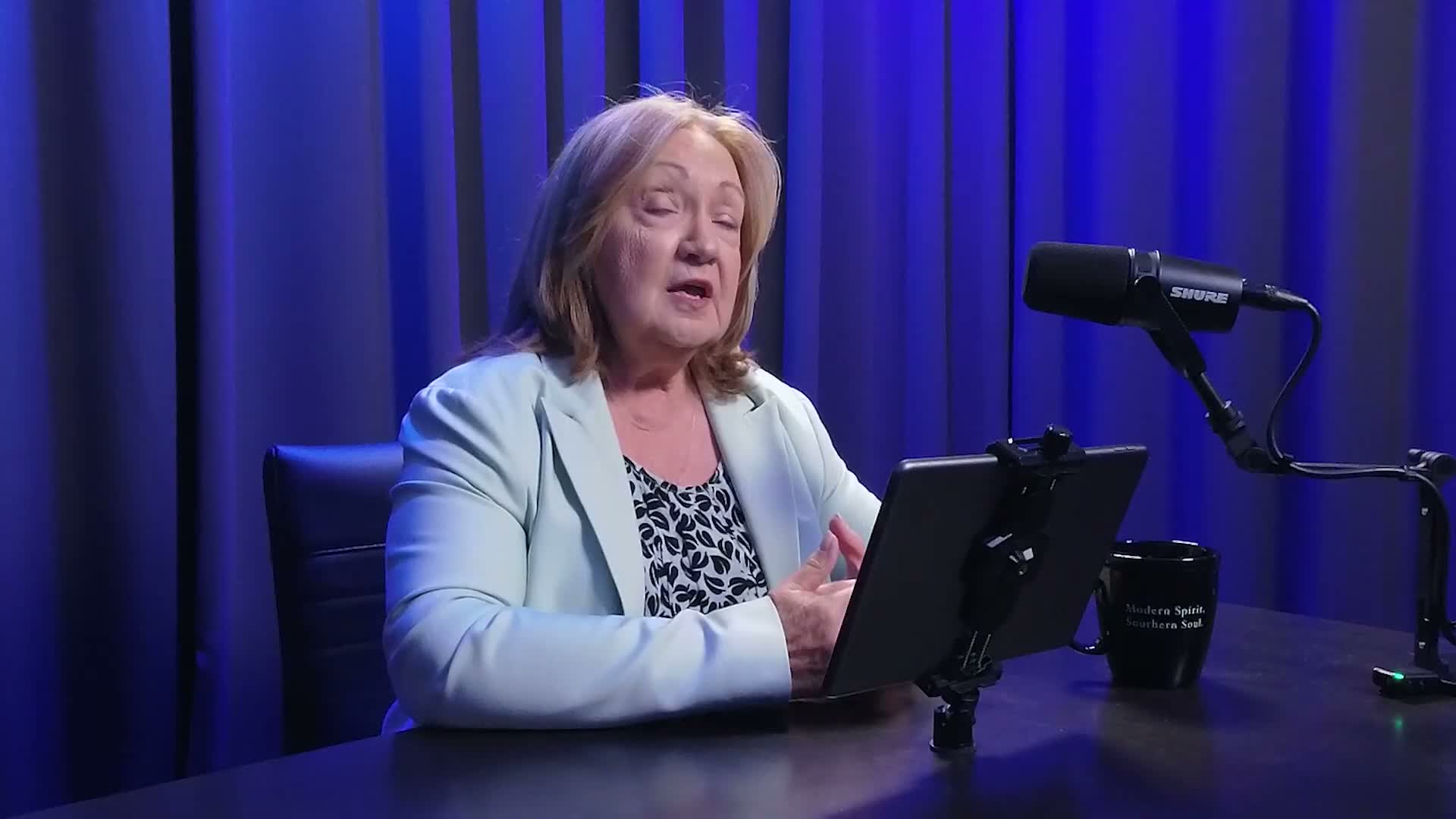
Transportation Director Andy Flager said Roswell will use limited funding this year to resurface about 14 miles (46 streets) of the city’s roughly 350-mile local road network while advancing longer-term projects funded through the countywide TSPLOST program.
“We're responsible for moving people and goods safely and efficiently throughout the city,” Flager said in an episode of Inside Roswell with Mayor Mary Robichaud. “Fourteen miles of road, 46 streets, that's all we're gonna be able to get done with the funding we have.”
Flager framed resurfacing as one part of a broader work program that also includes traffic-signal operations, sign maintenance, mowing, street sweeping and construction. He said the department has about 50 employees handling those functions and uses a contractor-assessed road-condition score (0 to 100) to prioritize work; many local roads score below 70 and some score below 10.
Why it matters: Roswell faces competing priorities across neighborhoods. Flager said engineers could raise the systemwide average by resurfacing only the worst-rated streets, but that approach can leave adjacent neighborhoods unserved, so the city tries to resurface contiguous subdivisions where feasible.
TSPLOST priorities and public input
Flager explained TSPLOST (the Transportation Special Purpose Local Option Sales Tax) as a countywide three-quarters-of-a-penny sales tax collected over five years that expands project funding beyond the city's regular annual budget. He said initial DOT staff work produced a long list of projects totaling roughly $575,000,000, and the city narrowed that to about 18 projects with an estimated total of about $117,000,000 for public review and prioritization.
Residents will be able to rank projects on a 0–5 scale, and the city will hold an open house at City Hall on April 30 to review the list, Flager said. “With that list and that priority, I can come back to mayor and council… and start looking at if we had to stack these in order of importance,” he said.
Traffic safety, signal preemption and traffic calming
Flager said daily-commute improvements include better signal coordination and adding signal preemption for fire trucks on major routes so emergency vehicles receive a green light when responding to calls. Speaking about roadway safety more broadly, he said stop signs are not an effective long-term speed-control tool and that the department is identifying streets — including an area he referred to as “Wave Tree” — and selecting treatments designed to slow traffic over time.
Project timing and risks
Flager gave a 3-to-8-year timeline from concept to completion for most projects: concept work and initial funding (months), design (one to two years), right-of-way or acquisition (one to three years), and construction (one to two years). He warned that environmental or cultural discoveries can halt progress; as an example he noted a gravesite find during right-of-way work that required surveys before moving forward.
Near-term projects and the gateway reconfiguration
Among near-term items Flager named Canton Street (work slated to start April 27, weather permitting), resurfacing on Riverside Road east of 400, two sections of Old Roswell Road along the Alpharetta border and repaving at three park areas (East Roswell Park, Roswell Area Park and Crabapple Center). He also called a gateway project — which would remove a three-lane reversible center lane near the river and State Route 120 — an engineering priority despite the potential loss of trees in the corridor.
What happens next
Flager said the city has just signed a contract for the upcoming resurfacing cycle, will advance the TSPLOST priority list to public review and expects residents to see more construction activity over the next year as multiple projects move from design into the field. Mayor Robichaud closed the program by urging viewers to follow city communications for updates and to attend the April 30 open house.
“We're responsible for moving people and goods safely and efficiently throughout the city,” Flager said in an episode of Inside Roswell with Mayor Mary Robichaud. “Fourteen miles of road, 46 streets, that's all we're gonna be able to get done with the funding we have.”
Flager framed resurfacing as one part of a broader work program that also includes traffic-signal operations, sign maintenance, mowing, street sweeping and construction. He said the department has about 50 employees handling those functions and uses a contractor-assessed road-condition score (0 to 100) to prioritize work; many local roads score below 70 and some score below 10.
Why it matters: Roswell faces competing priorities across neighborhoods. Flager said engineers could raise the systemwide average by resurfacing only the worst-rated streets, but that approach can leave adjacent neighborhoods unserved, so the city tries to resurface contiguous subdivisions where feasible.
TSPLOST priorities and public input
Flager explained TSPLOST (the Transportation Special Purpose Local Option Sales Tax) as a countywide three-quarters-of-a-penny sales tax collected over five years that expands project funding beyond the city's regular annual budget. He said initial DOT staff work produced a long list of projects totaling roughly $575,000,000, and the city narrowed that to about 18 projects with an estimated total of about $117,000,000 for public review and prioritization.
Residents will be able to rank projects on a 0–5 scale, and the city will hold an open house at City Hall on April 30 to review the list, Flager said. “With that list and that priority, I can come back to mayor and council… and start looking at if we had to stack these in order of importance,” he said.
Traffic safety, signal preemption and traffic calming
Flager said daily-commute improvements include better signal coordination and adding signal preemption for fire trucks on major routes so emergency vehicles receive a green light when responding to calls. Speaking about roadway safety more broadly, he said stop signs are not an effective long-term speed-control tool and that the department is identifying streets — including an area he referred to as “Wave Tree” — and selecting treatments designed to slow traffic over time.
Project timing and risks
Flager gave a 3-to-8-year timeline from concept to completion for most projects: concept work and initial funding (months), design (one to two years), right-of-way or acquisition (one to three years), and construction (one to two years). He warned that environmental or cultural discoveries can halt progress; as an example he noted a gravesite find during right-of-way work that required surveys before moving forward.
Near-term projects and the gateway reconfiguration
Among near-term items Flager named Canton Street (work slated to start April 27, weather permitting), resurfacing on Riverside Road east of 400, two sections of Old Roswell Road along the Alpharetta border and repaving at three park areas (East Roswell Park, Roswell Area Park and Crabapple Center). He also called a gateway project — which would remove a three-lane reversible center lane near the river and State Route 120 — an engineering priority despite the potential loss of trees in the corridor.
What happens next
Flager said the city has just signed a contract for the upcoming resurfacing cycle, will advance the TSPLOST priority list to public review and expects residents to see more construction activity over the next year as multiple projects move from design into the field. Mayor Robichaud closed the program by urging viewers to follow city communications for updates and to attend the April 30 open house.
View the Full Meeting & All Its Details
This article offers just a summary. Unlock complete video, transcripts, and insights as a Founder Member.
✓
Watch full, unedited meeting videos
✓
Search every word spoken in unlimited transcripts
✓
AI summaries & real-time alerts (all government levels)
✓
Permanent access to expanding government content
30-day money-back guarantee
