Witness tells House committee SMRs likely costlier, delayed and warns relicensing reviews omit climate risks
May 13, 2026 | Environment & Energy, HOUSE OF REPRESENTATIVES, Committees, Legislative , Vermont
This article was created by AI summarizing key points discussed. AI makes mistakes, so for full details and context, please refer to the video of the full meeting. Please report any errors so we can fix them. Report an error »
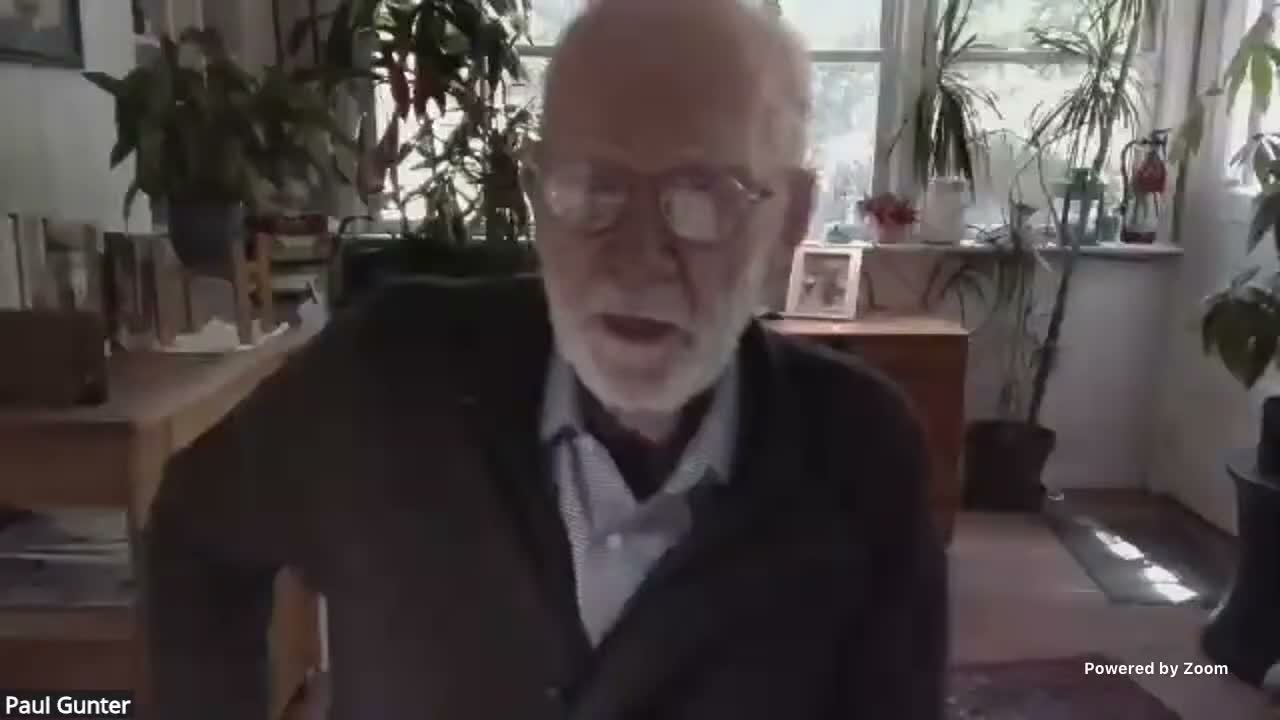
Paul Gunter, director of the Reactor Oversight Project at Beyond Nuclear, told the House Committee on Energy and Digital Infrastructure on May 12 that small modular reactors and long license extensions for existing reactors are likely to be more expensive, face repeated schedule delays and contain regulatory and safety gaps that merit closer scrutiny.
Gunter outlined what he described as a concise “10 reasons to reject nuclear power,” arguing those concerns apply equally to SMRs, microreactors and relicensing. He told the committee that SMR proponents underestimate per‑kilowatt costs and that historical examples—from Seabrook to NuScale pilots—show projects repeatedly exceed cost and schedule projections.
"Nuclear power is just too expensive," Gunter said, summarizing his cost argument. He described the NuScale pilot at Idaho National Lab and a related power purchase agreement in the West, saying municipalities withdrew as projected financing and cost assumptions deteriorated.
Gunter offered specific examples to illustrate his point. He cited Seabrook’s escalation from an early projection of about $900 million for two units to multibillion‑dollar final costs; he said advanced designs have required construction‑work‑in‑progress financing that stranded roughly $10 billion when projects such as VC Summer were canceled. He also noted that some SMR pilots have begun construction under construction permits and will later apply for operating licenses, creating regulatory uncertainty.
On regulatory process, Gunter told the committee that multiple SMR designs (he said more than 30) remain uncertified and that some pilot projects are proceeding without complete NEPA or design‑certification reviews. He said that, in his view, elements of the current federal approach truncate environmental and safety review: "it's sort of building the road as you travel," he said, cautioning that short deadlines and streamlining measures can hide unresolved safety and environmental questions.
Gunter also raised concerns about relicensing existing reactors, saying the Nuclear Regulatory Commission’s current review practices do not adequately incorporate climate change projections or known age‑related degradation. He described a Pacific Northwest National Laboratory (PNNL) report that he said originally recommended “autopsies” (component examinations) of decommissioned plants to detect knowledge gaps; Gunter asserted that a republished version removed references to gaps and the autopsy recommendation.
Committee members pressed Gunter on timelines and technical details. In response, Gunter pointed to a White House/DOE objective that, in his recounting, aimed for several DOE pilot reactors to demonstrate criticality by July 4, 2026; he said the Parsons, Kansas pilot slipped into 2027 and cautioned that industry projections are often optimistic. The witness also discussed embrittlement, dissimilar‑metal weld degradation, and uncertainty about crack initiation and progression as specific gaps that complicate decisions on multi‑decade license extensions.
Gunter said states’ attorneys general and public interest groups are using administrative comments and litigation to challenge accelerated licensing steps. He noted a DOE Federal Register notice dated and effective 02/02/2026 and described coordinated comments from several state attorneys general and advocacy groups seeking standing and legal recourse.
The committee chair, Kathleen James, thanked Gunter for his hour of testimony, asked him to submit supplemental material for the committee website and said the panel would post the written testimony and any follow‑up documents. The committee signaled follow‑up questions and scheduled additional witnesses on decommissioning and next‑generation biomass in subsequent meetings.
The hearing record shows no formal votes or committee directives during this session; committee members asked for additional written material and indicated they will continue the technical review at upcoming meetings.
Gunter outlined what he described as a concise “10 reasons to reject nuclear power,” arguing those concerns apply equally to SMRs, microreactors and relicensing. He told the committee that SMR proponents underestimate per‑kilowatt costs and that historical examples—from Seabrook to NuScale pilots—show projects repeatedly exceed cost and schedule projections.
"Nuclear power is just too expensive," Gunter said, summarizing his cost argument. He described the NuScale pilot at Idaho National Lab and a related power purchase agreement in the West, saying municipalities withdrew as projected financing and cost assumptions deteriorated.
Gunter offered specific examples to illustrate his point. He cited Seabrook’s escalation from an early projection of about $900 million for two units to multibillion‑dollar final costs; he said advanced designs have required construction‑work‑in‑progress financing that stranded roughly $10 billion when projects such as VC Summer were canceled. He also noted that some SMR pilots have begun construction under construction permits and will later apply for operating licenses, creating regulatory uncertainty.
On regulatory process, Gunter told the committee that multiple SMR designs (he said more than 30) remain uncertified and that some pilot projects are proceeding without complete NEPA or design‑certification reviews. He said that, in his view, elements of the current federal approach truncate environmental and safety review: "it's sort of building the road as you travel," he said, cautioning that short deadlines and streamlining measures can hide unresolved safety and environmental questions.
Gunter also raised concerns about relicensing existing reactors, saying the Nuclear Regulatory Commission’s current review practices do not adequately incorporate climate change projections or known age‑related degradation. He described a Pacific Northwest National Laboratory (PNNL) report that he said originally recommended “autopsies” (component examinations) of decommissioned plants to detect knowledge gaps; Gunter asserted that a republished version removed references to gaps and the autopsy recommendation.
Committee members pressed Gunter on timelines and technical details. In response, Gunter pointed to a White House/DOE objective that, in his recounting, aimed for several DOE pilot reactors to demonstrate criticality by July 4, 2026; he said the Parsons, Kansas pilot slipped into 2027 and cautioned that industry projections are often optimistic. The witness also discussed embrittlement, dissimilar‑metal weld degradation, and uncertainty about crack initiation and progression as specific gaps that complicate decisions on multi‑decade license extensions.
Gunter said states’ attorneys general and public interest groups are using administrative comments and litigation to challenge accelerated licensing steps. He noted a DOE Federal Register notice dated and effective 02/02/2026 and described coordinated comments from several state attorneys general and advocacy groups seeking standing and legal recourse.
The committee chair, Kathleen James, thanked Gunter for his hour of testimony, asked him to submit supplemental material for the committee website and said the panel would post the written testimony and any follow‑up documents. The committee signaled follow‑up questions and scheduled additional witnesses on decommissioning and next‑generation biomass in subsequent meetings.
The hearing record shows no formal votes or committee directives during this session; committee members asked for additional written material and indicated they will continue the technical review at upcoming meetings.
View the Full Meeting & All Its Details
This article offers just a summary. Unlock complete video, transcripts, and insights as a Founder Member.
✓
Watch full, unedited meeting videos
✓
Search every word spoken in unlimited transcripts
✓
AI summaries & real-time alerts (all government levels)
✓
Permanent access to expanding government content
30-day money-back guarantee
