Legislators debate homestead tax option to address residential tax increases
May 13, 2026 | Tompkins County, New York
This article was created by AI summarizing key points discussed. AI makes mistakes, so for full details and context, please refer to the video of the full meeting. Please report any errors so we can fix them. Report an error »
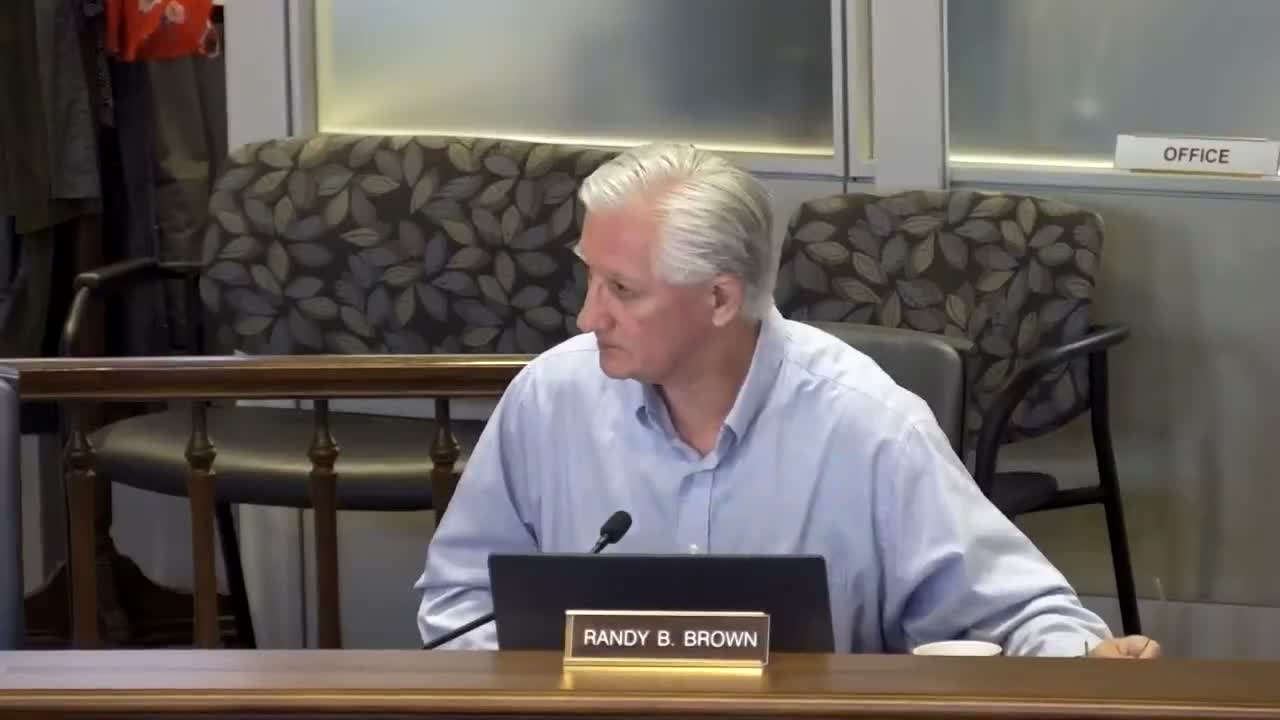
Tompkins County legislators on May 12 debated whether to pursue a state‑authorized "homestead" tax option that assigns different tax rates to homestead (primarily 1–3 family residences) and non‑homestead (commercial) property classes.
Assessor Jay explained the tool's purpose and mechanics, saying the option has been used sporadically in New York and can help jurisdictions that have not conducted recent revaluations. "So it's a way to bring everybody up to that uniform percentage of value, but still be able to keep the taxes that each share is paying relatively the same as before," Jay said, describing how the approach can smooth reassessment impacts.
Judith argued the option could help residents of downtown Ithaca and others who have faced steep residential tax increases: "People who live in Downtown Ithaca paying taxes on their home...are not seeing increases in their income to match these increases in taxes." She urged the committee to explore the policy further.
Greg strongly opposed adopting the option, calling it a cost‑shifting strategy that would raise commercial taxes and risk driving businesses away. "I just think this is a completely unfair and inequitable way to approach the conversation," he said, arguing for broader approaches to affordability and economic growth.
Members pressed technical questions about how commercial properties are valued (income approach vs. market), how apartment buildings are classified, and whether staffing and municipal permit reporting are adequate for carrying out a change of this scale. Jay said his office has grown more cooperative with towns and reported improved returns on outreach for income/expense statements, but that his staff has shrunk from about 20 to 14.
No policy change was adopted at the meeting. Jay offered to invite the state Office of Real Property Tax Services to a future meeting to explain homestead practice in more detail; committee members tentatively agreed to follow up in July or August.
Assessor Jay explained the tool's purpose and mechanics, saying the option has been used sporadically in New York and can help jurisdictions that have not conducted recent revaluations. "So it's a way to bring everybody up to that uniform percentage of value, but still be able to keep the taxes that each share is paying relatively the same as before," Jay said, describing how the approach can smooth reassessment impacts.
Judith argued the option could help residents of downtown Ithaca and others who have faced steep residential tax increases: "People who live in Downtown Ithaca paying taxes on their home...are not seeing increases in their income to match these increases in taxes." She urged the committee to explore the policy further.
Greg strongly opposed adopting the option, calling it a cost‑shifting strategy that would raise commercial taxes and risk driving businesses away. "I just think this is a completely unfair and inequitable way to approach the conversation," he said, arguing for broader approaches to affordability and economic growth.
Members pressed technical questions about how commercial properties are valued (income approach vs. market), how apartment buildings are classified, and whether staffing and municipal permit reporting are adequate for carrying out a change of this scale. Jay said his office has grown more cooperative with towns and reported improved returns on outreach for income/expense statements, but that his staff has shrunk from about 20 to 14.
No policy change was adopted at the meeting. Jay offered to invite the state Office of Real Property Tax Services to a future meeting to explain homestead practice in more detail; committee members tentatively agreed to follow up in July or August.
View the Full Meeting & All Its Details
This article offers just a summary. Unlock complete video, transcripts, and insights as a Founder Member.
✓
Watch full, unedited meeting videos
✓
Search every word spoken in unlimited transcripts
✓
AI summaries & real-time alerts (all government levels)
✓
Permanent access to expanding government content
30-day money-back guarantee
