Youth-services director reports rises in 'parents unable to care' admissions, longer stays at county shelter and detention facilities
May 13, 2026 | Reno County, Kansas
This article was created by AI summarizing key points discussed. AI makes mistakes, so for full details and context, please refer to the video of the full meeting. Please report any errors so we can fix them. Report an error »
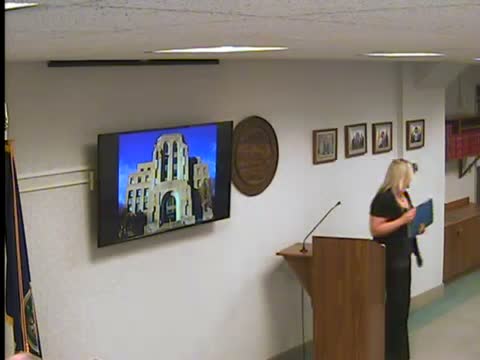
Department of Youth Services staff presented the 2016 annual report to the Reno County Commission and emphasized several trends staff say merit attention: fewer admissions overall in some programs but longer average stays, an increase in youth admitted because "parents unable to care," and a rise in substance-use indicators among youth served.
"Our total admissions last year were 176 youth," the presenter said, adding that 111 of those admissions were brought in by law enforcement. Reno County accounted for 99 admissions to the Bob Johnson Youth Shelter and 1,752 census days, the presenter reported, and the shelter saw long bed-day occupancy in 2016.
Staff highlighted a rising share of youth admitted because their parents were unable to care for them: countywide that reason accounted for about 42% of shelter admissions (up from the high-20s in earlier years), and Reno County’s share reached roughly 56% of its admissions. The presenter said this shift suggests an increasing need for family supports and preventive services.
On juvenile detention, staff reported 376 admissions countywide with 152 from Reno County (2,472 census days), noting that while admissions are lower than in prior years the number of census days remained high — a pattern staff attributed to longer individual stays, limited placement alternatives, and court-scheduling delays. Staff also reported that 305 of intake cases (about 40%) had prior arrests and that many youth carried school discipline or substance-use histories that complicate treatment planning.
The presenter described operational details: intake and assessment hours, staffing ratios (staffing roughly per state licensing requirements), and active management to limit overtime. He asked the commission to consider metrics such as recidivism and length-of-stay trends for future planning; commissioners asked for follow-up reports and data on return admissions.
The presenter invited commissioners and civic groups to tour the facilities and underscored staff experience: "Of my 48 staff members, we now have over 571 years of experience in our building," he said, and credited staff training as essential to handling high-needs youth.
Next steps: Commissioners requested additional analysis of recidivism and return-admission patterns and acknowledged the department’s role in countywide juvenile-care needs; staff will provide follow-ups and consider additional public outreach or reporting as requested.
"Our total admissions last year were 176 youth," the presenter said, adding that 111 of those admissions were brought in by law enforcement. Reno County accounted for 99 admissions to the Bob Johnson Youth Shelter and 1,752 census days, the presenter reported, and the shelter saw long bed-day occupancy in 2016.
Staff highlighted a rising share of youth admitted because their parents were unable to care for them: countywide that reason accounted for about 42% of shelter admissions (up from the high-20s in earlier years), and Reno County’s share reached roughly 56% of its admissions. The presenter said this shift suggests an increasing need for family supports and preventive services.
On juvenile detention, staff reported 376 admissions countywide with 152 from Reno County (2,472 census days), noting that while admissions are lower than in prior years the number of census days remained high — a pattern staff attributed to longer individual stays, limited placement alternatives, and court-scheduling delays. Staff also reported that 305 of intake cases (about 40%) had prior arrests and that many youth carried school discipline or substance-use histories that complicate treatment planning.
The presenter described operational details: intake and assessment hours, staffing ratios (staffing roughly per state licensing requirements), and active management to limit overtime. He asked the commission to consider metrics such as recidivism and length-of-stay trends for future planning; commissioners asked for follow-up reports and data on return admissions.
The presenter invited commissioners and civic groups to tour the facilities and underscored staff experience: "Of my 48 staff members, we now have over 571 years of experience in our building," he said, and credited staff training as essential to handling high-needs youth.
Next steps: Commissioners requested additional analysis of recidivism and return-admission patterns and acknowledged the department’s role in countywide juvenile-care needs; staff will provide follow-ups and consider additional public outreach or reporting as requested.
Don't Miss a Word: See the Full Meeting!
Go beyond summaries. Unlock every video, transcript, and key insight with a Founder Membership.
✓
Get instant access to full meeting videos
✓
Search and clip any phrase from complete transcripts
✓
Receive AI-powered summaries & custom alerts
✓
Enjoy lifetime, unrestricted access to government data
30-day money-back guarantee
