Residents urge Richmond council to cut Flock Safety spending, citing privacy and misuse concerns
May 11, 2026 | Richmond City (Independent City), Virginia
This article was created by AI summarizing key points discussed. AI makes mistakes, so for full details and context, please refer to the video of the full meeting. Please report any errors so we can fix them. Report an error »
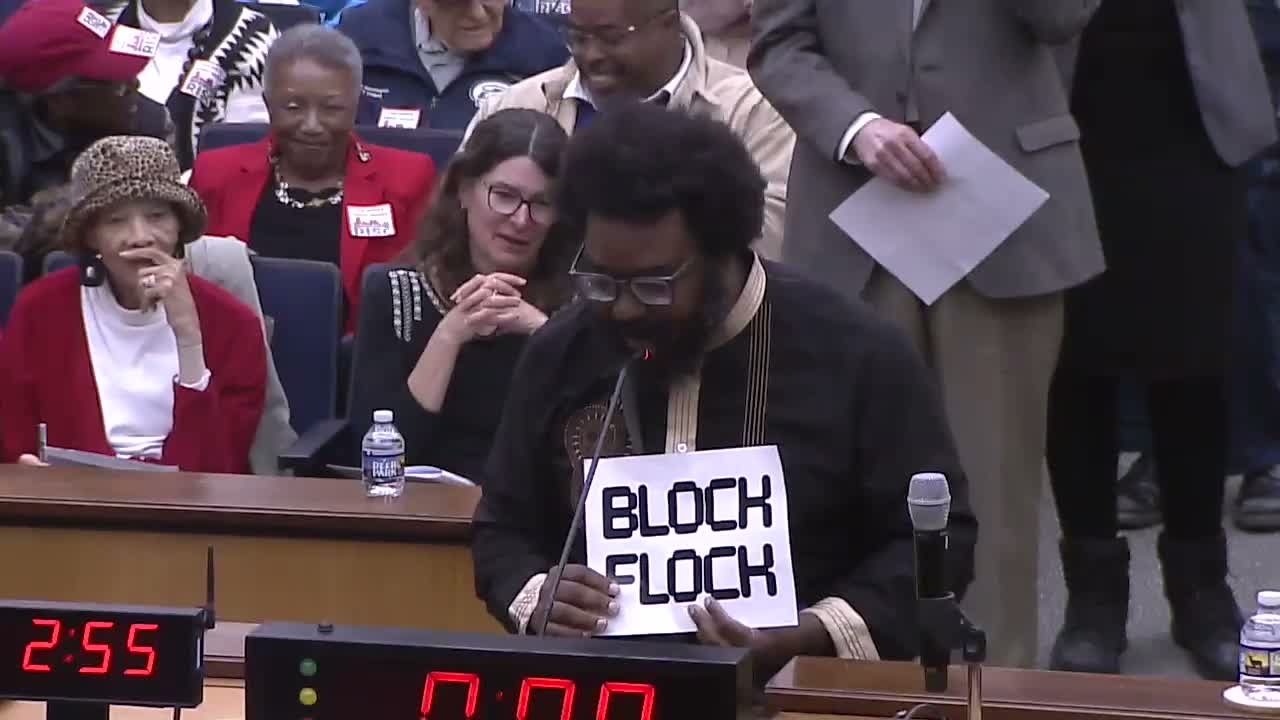
Dozens of Richmond residents used the public-comment period to press the City Council to end or reduce spending on Flock Safety automated license-plate readers and related surveillance technology, arguing the systems threaten privacy and have been misused.
Speakers described a pattern of issues they say demonstrates how the technology can be abused. “Flock is dangerous. It's dangerous for Richmond,” said Nicole Yacom, a 2nd District resident who called for cancellation of the city’s contract and reallocation of the funds to community priorities. William Allman, a retired accountant who has tracked litigation connected to similar contracts around the country, warned that lawsuits tied to Flock could cost municipalities millions. “Regardless of the outcome of any litigation targeting Richmond, win, lose, or settle, that case will cost the city funds it needs for other city services,” he said.
Residents cited specific incidents they said show data-sharing and policy violations: at least one RPD administrator lost access after a reported violation, and speakers alleged federal agencies—including ICE, ATF and others—have had access to or queried Richmond’s surveillance data. Speakers referenced a recent Virginia State Crime Commission report on automated license plate readers and called for immediate cancellation or renegotiation of any city contracts.
City response and context: The public record shows that the Richmond Police Department has faced questions about access and compliance. Several commenters noted that even with written policies in place, practical enforcement is difficult and community trust has eroded after multiple documented incidents of unauthorized access across the country and locally. One resident cited a West Coast legal memo that estimated litigation costs between $30 million and $60 million for municipalities facing similar litigation.
What residents asked for: Speakers urged three primary actions: cancel or stop further funding for Flock contracts; reallocate the budgeted money to sidewalks, schools, housing, and other community investments; and require stricter data-access controls and external oversight if any surveillance tools remain in place.
Next steps: Councilmembers acknowledged the concerns during the budget discussion and did not take a final vote on surveillance contracting at this meeting. Several council members said they would consider the testimony when reviewing budget priorities and related amendments.
Ending: The testimony underscores ongoing civic debate in Richmond over technology, public safety and civil liberties; residents said they will continue to press the council for contract reviews and to pursue alternatives to mass surveillance.
Speakers described a pattern of issues they say demonstrates how the technology can be abused. “Flock is dangerous. It's dangerous for Richmond,” said Nicole Yacom, a 2nd District resident who called for cancellation of the city’s contract and reallocation of the funds to community priorities. William Allman, a retired accountant who has tracked litigation connected to similar contracts around the country, warned that lawsuits tied to Flock could cost municipalities millions. “Regardless of the outcome of any litigation targeting Richmond, win, lose, or settle, that case will cost the city funds it needs for other city services,” he said.
Residents cited specific incidents they said show data-sharing and policy violations: at least one RPD administrator lost access after a reported violation, and speakers alleged federal agencies—including ICE, ATF and others—have had access to or queried Richmond’s surveillance data. Speakers referenced a recent Virginia State Crime Commission report on automated license plate readers and called for immediate cancellation or renegotiation of any city contracts.
City response and context: The public record shows that the Richmond Police Department has faced questions about access and compliance. Several commenters noted that even with written policies in place, practical enforcement is difficult and community trust has eroded after multiple documented incidents of unauthorized access across the country and locally. One resident cited a West Coast legal memo that estimated litigation costs between $30 million and $60 million for municipalities facing similar litigation.
What residents asked for: Speakers urged three primary actions: cancel or stop further funding for Flock contracts; reallocate the budgeted money to sidewalks, schools, housing, and other community investments; and require stricter data-access controls and external oversight if any surveillance tools remain in place.
Next steps: Councilmembers acknowledged the concerns during the budget discussion and did not take a final vote on surveillance contracting at this meeting. Several council members said they would consider the testimony when reviewing budget priorities and related amendments.
Ending: The testimony underscores ongoing civic debate in Richmond over technology, public safety and civil liberties; residents said they will continue to press the council for contract reviews and to pursue alternatives to mass surveillance.
Don't Miss a Word: See the Full Meeting!
Go beyond summaries. Unlock every video, transcript, and key insight with a Founder Membership.
✓
Get instant access to full meeting videos
✓
Search and clip any phrase from complete transcripts
✓
Receive AI-powered summaries & custom alerts
✓
Enjoy lifetime, unrestricted access to government data
30-day money-back guarantee
