House committee hears testimony on bill to create state AI pilot program
May 11, 2026 | 2025-2026 House Legislature MI, Michigan
This article was created by AI summarizing key points discussed. AI makes mistakes, so for full details and context, please refer to the video of the full meeting. Please report any errors so we can fix them. Report an error »
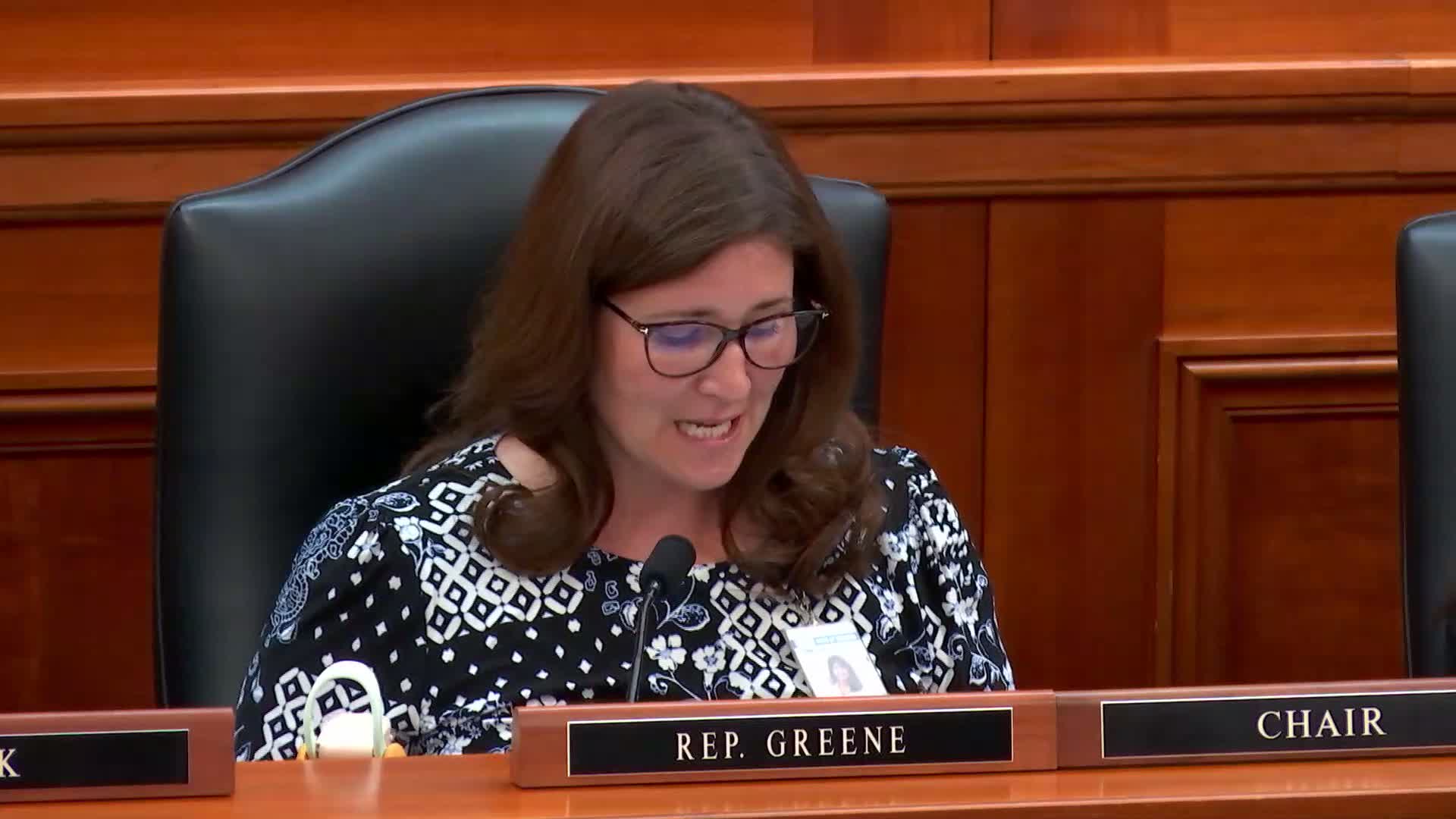
The House Communications and Technology Committee on the morning of the hearing considered House Bill 5899, the “Artificial Intelligence Pilot Program Act,” which would authorize controlled generative‑AI pilots across state agencies, create a governor‑appointed AI governing board and require a publicly posted DTMB report within 180 days assessing time saved, workflow changes and any risks or unintended consequences.
Representative Green, the bill sponsor, told the committee the legislation is designed to let the state “test new AI tools, evaluate the uses” and measure whether they produce “workflow and efficiency improvements” for government services. The bill would establish a state treasury fund for the pilot program and give the Department of Technology, Management, and Budget (DTMB) authority to spend from the fund only upon appropriation, the sponsor said.
The sponsor described the proposed governing board as a three‑member panel appointed by the governor: “1 person who has expertise in artificial intelligence, data, or science, 1 person with an expertise in ethics, civil rights, or privacy, and 1 person representing the private sector,” and said the intent is outside oversight so “we just can't have an entity monitoring itself.” Representative Green also told the committee that DTMB issued internal guidance in August but that guidance is not codified in law.
Committee members pressed the sponsor on details. Representative Scott asked whether the governor could appoint more than three members; Representative Green said the bill lays out three seats but did not rule out additional appointments. Representative Smalls asked about implementation costs; the sponsor cited a fiscal office estimate of about $600,000 but emphasized that actual costs depend on DTMB decisions such as whether to license commercial products or develop in‑house tools.
Kevin Frazier, senior fellow at the Abundance Institute, testified in favor of the bill and urged several changes to strengthen implementation. Citing examples from other states, Frazier said pilots have reduced review times and improved staff capacity and recommended refining the governing board’s composition to include an AI practitioner and legal expertise. He advised against requiring human review of every intermediate AI output and instead recommended human review of AI outputs before they are applied in decision‑making. He also suggested requiring the governor to fill board vacancies within a specified timeline and directing the board to identify in its final report which use cases should be made permanent.
On whether DTMB would testify, Representative Green said DTMB was not scheduled to appear that day and had not filed a testimony card. The committee did not take a substantive vote on the bill during the session; the only formal action recorded was adoption of the April 21 meeting minutes. Representative Green closed the hearing and announced the committee planned to meet again on May 19.
What happens next: HB 5899 was introduced and received committee testimony but no committee vote was recorded at this hearing. The bill’s fiscal estimate (about $600,000) and the question of whether the governing board should be larger or more specifically defined were left unresolved; several members asked for clarity about costs and DTMB’s current AI use. If enacted, the bill would require DTMB to post a public report within 180 days after a pilot concludes.
Representative Green, the bill sponsor, told the committee the legislation is designed to let the state “test new AI tools, evaluate the uses” and measure whether they produce “workflow and efficiency improvements” for government services. The bill would establish a state treasury fund for the pilot program and give the Department of Technology, Management, and Budget (DTMB) authority to spend from the fund only upon appropriation, the sponsor said.
The sponsor described the proposed governing board as a three‑member panel appointed by the governor: “1 person who has expertise in artificial intelligence, data, or science, 1 person with an expertise in ethics, civil rights, or privacy, and 1 person representing the private sector,” and said the intent is outside oversight so “we just can't have an entity monitoring itself.” Representative Green also told the committee that DTMB issued internal guidance in August but that guidance is not codified in law.
Committee members pressed the sponsor on details. Representative Scott asked whether the governor could appoint more than three members; Representative Green said the bill lays out three seats but did not rule out additional appointments. Representative Smalls asked about implementation costs; the sponsor cited a fiscal office estimate of about $600,000 but emphasized that actual costs depend on DTMB decisions such as whether to license commercial products or develop in‑house tools.
Kevin Frazier, senior fellow at the Abundance Institute, testified in favor of the bill and urged several changes to strengthen implementation. Citing examples from other states, Frazier said pilots have reduced review times and improved staff capacity and recommended refining the governing board’s composition to include an AI practitioner and legal expertise. He advised against requiring human review of every intermediate AI output and instead recommended human review of AI outputs before they are applied in decision‑making. He also suggested requiring the governor to fill board vacancies within a specified timeline and directing the board to identify in its final report which use cases should be made permanent.
On whether DTMB would testify, Representative Green said DTMB was not scheduled to appear that day and had not filed a testimony card. The committee did not take a substantive vote on the bill during the session; the only formal action recorded was adoption of the April 21 meeting minutes. Representative Green closed the hearing and announced the committee planned to meet again on May 19.
What happens next: HB 5899 was introduced and received committee testimony but no committee vote was recorded at this hearing. The bill’s fiscal estimate (about $600,000) and the question of whether the governing board should be larger or more specifically defined were left unresolved; several members asked for clarity about costs and DTMB’s current AI use. If enacted, the bill would require DTMB to post a public report within 180 days after a pilot concludes.
View the Full Meeting & All Its Details
This article offers just a summary. Unlock complete video, transcripts, and insights as a Founder Member.
✓
Watch full, unedited meeting videos
✓
Search every word spoken in unlimited transcripts
✓
AI summaries & real-time alerts (all government levels)
✓
Permanent access to expanding government content
30-day money-back guarantee
