Residents urge Daly City Council to enact tenant anti‑harassment protections after repeated housing complaints
May 12, 2026 | Daly City, San Mateo County, California
This article was created by AI summarizing key points discussed. AI makes mistakes, so for full details and context, please refer to the video of the full meeting. Please report any errors so we can fix them. Report an error »
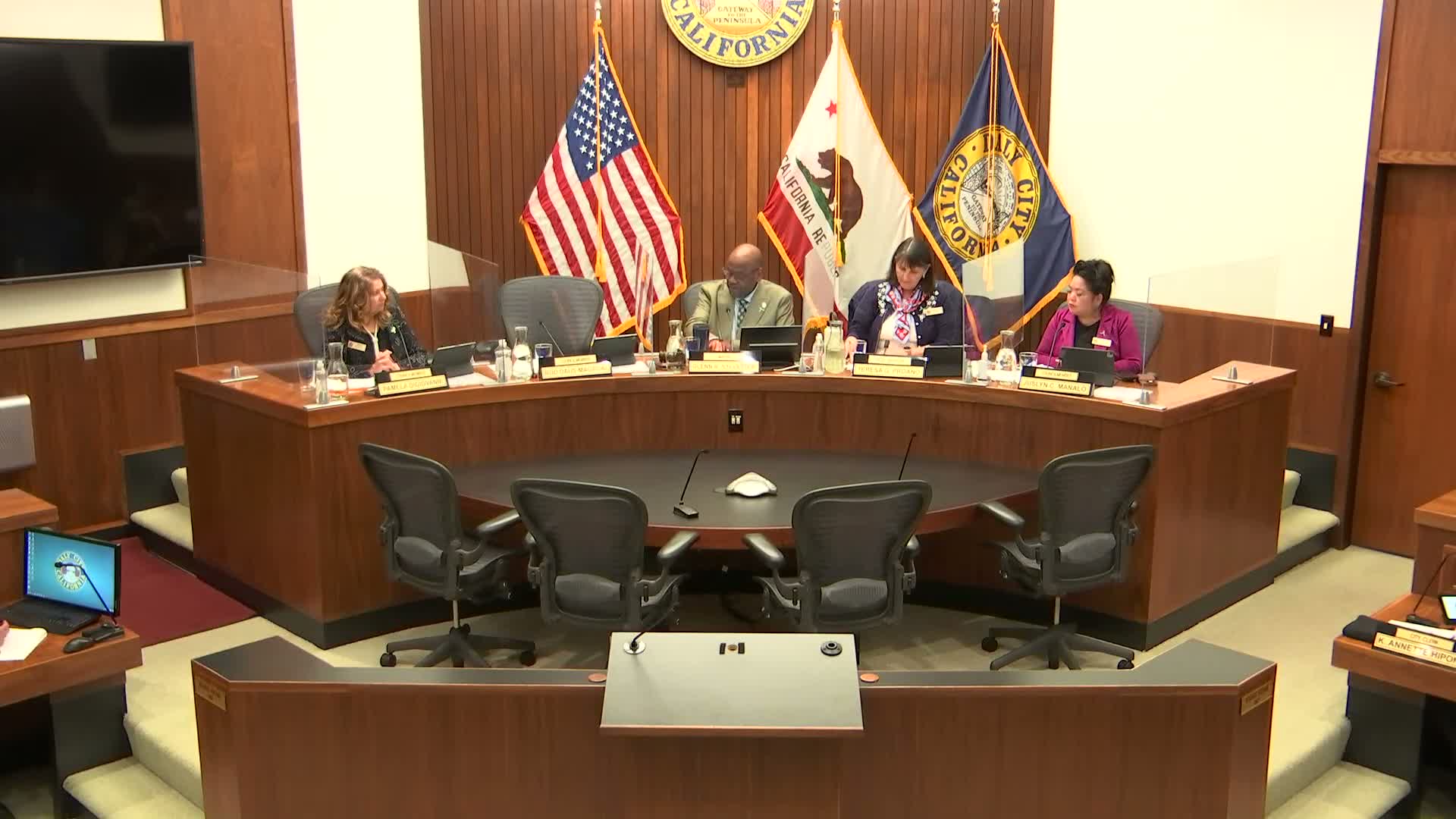
Dozens of Daly City residents urged the City Council on May 11 to adopt a tenant anti‑harassment ordinance, telling elected officials that unsafe housing conditions and harassment by landlords are harming tenants’ physical and mental health.
The public‑comment period — one of the night’s longest blocks of testimony — featured speakers who described mold, rodents, unsafe plumbing and threats of eviction. Many said they had been left with health problems, higher utility bills or the threat of losing stable housing after reporting problems. A number of speakers said their time to speak had been cut at a prior meeting and asked the council to ensure full translation and fair public‑comment access.
Why it matters: Speakers repeatedly linked housing conditions to public health and mental‑health outcomes, and they asked the city to move beyond proclamations to concrete tenant protections. Faith in Action Bay Area organized much of the testimony and delivered repeated calls for urgency.
Several residents gave specific examples: one speaker said she paid $2,600 in rent that had risen to $3,300 while living with mold; another said a landlord entered the unit without notice and issued a last‑chance eviction warning over clutter. Multiple commenters described emotional distress and said children in affected homes suffered respiratory or allergic symptoms.
City staff update: Earlier in the meeting the city manager reported that staff is conducting stakeholder outreach on a proposed tenant anti‑harassment ordinance, citing direction from a prior council resolution. The staff outreach list includes tenant advocacy groups such as Faith in Action, landlords and representatives from the real‑estate community; staff said it expects to confirm a stakeholder meeting early in June and will bring feedback to a future council study session.
Council response and next steps: Council members thanked the speakers and acknowledged the connection between housing conditions and health. They did not take formal action on the ordinance at the meeting; staff said the outreach process will continue and that the council will be kept informed as the stakeholder process progresses. The public can monitor council materials and meeting notices for the date of the stakeholder session and any upcoming study session on the draft ordinance.
The meeting’s public‑comment period ended without a vote; residents asked the council to prioritize introducing the ordinance and ensuring translators and full speaking time for non‑English speakers at future hearings.
The public‑comment period — one of the night’s longest blocks of testimony — featured speakers who described mold, rodents, unsafe plumbing and threats of eviction. Many said they had been left with health problems, higher utility bills or the threat of losing stable housing after reporting problems. A number of speakers said their time to speak had been cut at a prior meeting and asked the council to ensure full translation and fair public‑comment access.
Why it matters: Speakers repeatedly linked housing conditions to public health and mental‑health outcomes, and they asked the city to move beyond proclamations to concrete tenant protections. Faith in Action Bay Area organized much of the testimony and delivered repeated calls for urgency.
Several residents gave specific examples: one speaker said she paid $2,600 in rent that had risen to $3,300 while living with mold; another said a landlord entered the unit without notice and issued a last‑chance eviction warning over clutter. Multiple commenters described emotional distress and said children in affected homes suffered respiratory or allergic symptoms.
City staff update: Earlier in the meeting the city manager reported that staff is conducting stakeholder outreach on a proposed tenant anti‑harassment ordinance, citing direction from a prior council resolution. The staff outreach list includes tenant advocacy groups such as Faith in Action, landlords and representatives from the real‑estate community; staff said it expects to confirm a stakeholder meeting early in June and will bring feedback to a future council study session.
Council response and next steps: Council members thanked the speakers and acknowledged the connection between housing conditions and health. They did not take formal action on the ordinance at the meeting; staff said the outreach process will continue and that the council will be kept informed as the stakeholder process progresses. The public can monitor council materials and meeting notices for the date of the stakeholder session and any upcoming study session on the draft ordinance.
The meeting’s public‑comment period ended without a vote; residents asked the council to prioritize introducing the ordinance and ensuring translators and full speaking time for non‑English speakers at future hearings.
View the Full Meeting & All Its Details
This article offers just a summary. Unlock complete video, transcripts, and insights as a Founder Member.
✓
Watch full, unedited meeting videos
✓
Search every word spoken in unlimited transcripts
✓
AI summaries & real-time alerts (all government levels)
✓
Permanent access to expanding government content
30-day money-back guarantee
