Parents, teachers and students urge board to preserve Asheville High arts and library staffing
May 12, 2026 | Asheville City Schools, School Districts, North Carolina
This article was created by AI summarizing key points discussed. AI makes mistakes, so for full details and context, please refer to the video of the full meeting. Please report any errors so we can fix them. Report an error »
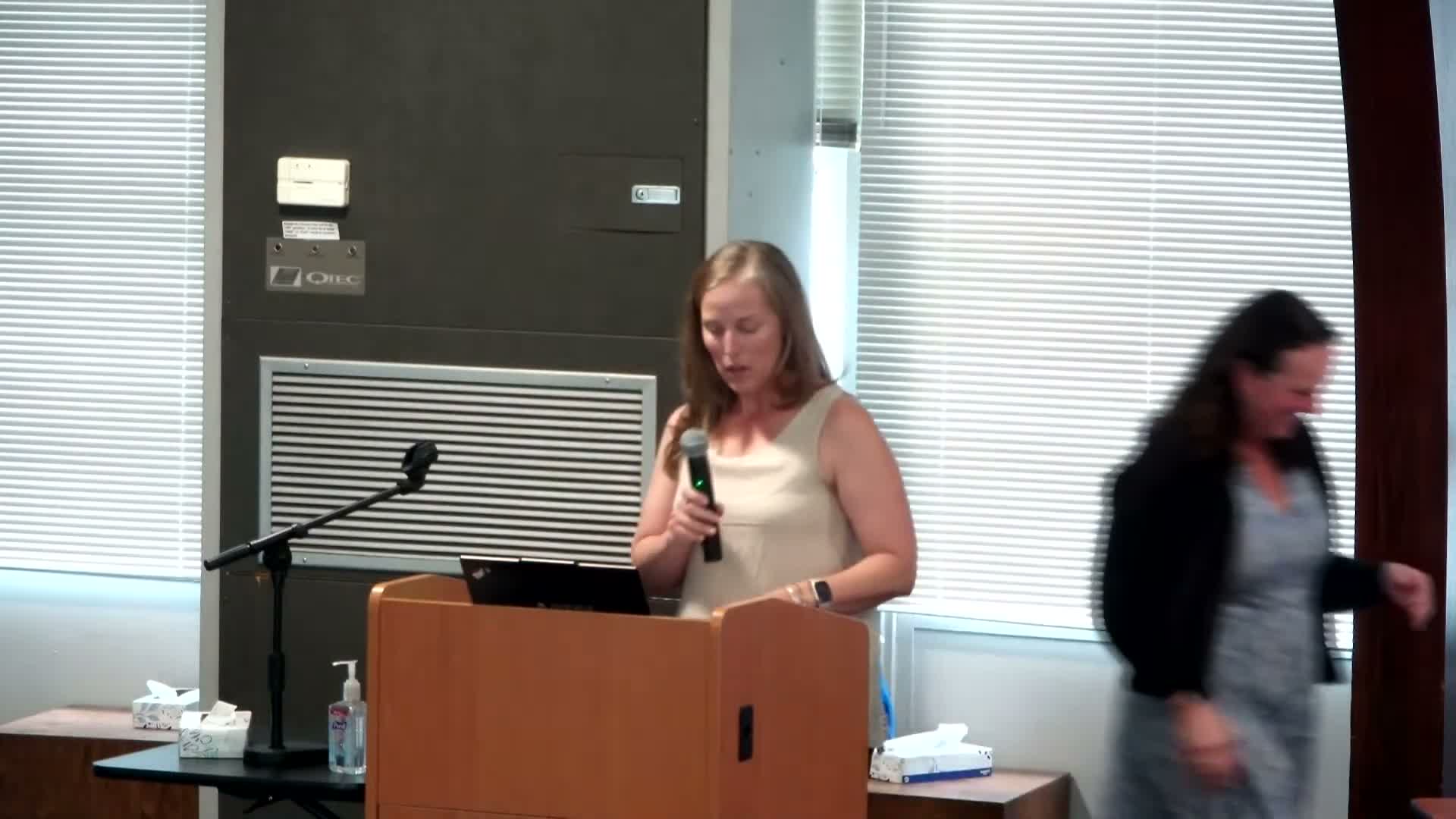
Dozens of parents, teachers and students told the Asheville City Schools board on May 4 that proposed staffing allotment changes threatening a visual-arts teacher and a media-center position at Asheville High would strip students of advanced courses, undermine belonging and reduce pathways to college and careers.
Mindy McCormick, the high school’s ceramic arts teacher speaking for the entire arts department, said cutting a visual-arts position would mean “about 150 students next year wouldn't be able to take part in art classes,” and would erase access to AP-level and multi-year art sequences built over 15 years. “There are students that come to school because they feel at home in their art classes,” she said.
The concern was echoed by a string of speakers over more than 30 minutes of public comment. Katie Williams, an Asheville High teacher, told the board to reject any budget that does not “include full staffing in the arts and the media center at Asheville High,” arguing that certified librarians and arts teachers are essential to literacy and student belonging. Parent Elizabeth Davis said the family chose Asheville High specifically for its arts programming and warned that cuts would diminish critical-thinking opportunities. Recent graduate Nora Silverstein and alumnae and community members described the real-world and economic links between the district’s arts offerings and the city’s creative economy.
Several speakers cited research and awards to underline their points. McCormick and others referenced national studies associating arts access with reduced chronic absenteeism and higher GPAs; Jennifer Lipsey Edwards described a student who moved from Asheville High to earn national recognition and a place at the North Carolina School of the Arts.
Other commenters asked the board to be more transparent about how the staffing allotment formula is implemented. Kim Fink Adams, a longtime teacher and district consultant, criticized the practice of asking principals to prioritize which student-facing positions to retain when vacancies occur, calling it insufficiently transparent and likely to produce “irreversible harm.”
The board did not take a final personnel vote during the meeting. Multiple board members later discussed the district’s staffing allotment and asked staff to incorporate public input as they finalize the fiscal-year budget and the action plans tied to the newly adopted strategic plan.
What happens next: the board approved a budget-message letter to county commissioners and asked the superintendent to make modest, fact-checked edits; the formal budget and staffing decisions are scheduled with the fiscal-year vote in June.
Mindy McCormick, the high school’s ceramic arts teacher speaking for the entire arts department, said cutting a visual-arts position would mean “about 150 students next year wouldn't be able to take part in art classes,” and would erase access to AP-level and multi-year art sequences built over 15 years. “There are students that come to school because they feel at home in their art classes,” she said.
The concern was echoed by a string of speakers over more than 30 minutes of public comment. Katie Williams, an Asheville High teacher, told the board to reject any budget that does not “include full staffing in the arts and the media center at Asheville High,” arguing that certified librarians and arts teachers are essential to literacy and student belonging. Parent Elizabeth Davis said the family chose Asheville High specifically for its arts programming and warned that cuts would diminish critical-thinking opportunities. Recent graduate Nora Silverstein and alumnae and community members described the real-world and economic links between the district’s arts offerings and the city’s creative economy.
Several speakers cited research and awards to underline their points. McCormick and others referenced national studies associating arts access with reduced chronic absenteeism and higher GPAs; Jennifer Lipsey Edwards described a student who moved from Asheville High to earn national recognition and a place at the North Carolina School of the Arts.
Other commenters asked the board to be more transparent about how the staffing allotment formula is implemented. Kim Fink Adams, a longtime teacher and district consultant, criticized the practice of asking principals to prioritize which student-facing positions to retain when vacancies occur, calling it insufficiently transparent and likely to produce “irreversible harm.”
The board did not take a final personnel vote during the meeting. Multiple board members later discussed the district’s staffing allotment and asked staff to incorporate public input as they finalize the fiscal-year budget and the action plans tied to the newly adopted strategic plan.
What happens next: the board approved a budget-message letter to county commissioners and asked the superintendent to make modest, fact-checked edits; the formal budget and staffing decisions are scheduled with the fiscal-year vote in June.
View the Full Meeting & All Its Details
This article offers just a summary. Unlock complete video, transcripts, and insights as a Founder Member.
✓
Watch full, unedited meeting videos
✓
Search every word spoken in unlimited transcripts
✓
AI summaries & real-time alerts (all government levels)
✓
Permanent access to expanding government content
30-day money-back guarantee
