Board reviews two options for Glenwood Elementary assignment zone, staff to report survey results
May 11, 2026 | Chapel Hill-Carrboro City Schools, School Districts, North Carolina
This article was created by AI summarizing key points discussed. AI makes mistakes, so for full details and context, please refer to the video of the full meeting. Please report any errors so we can fix them. Report an error »
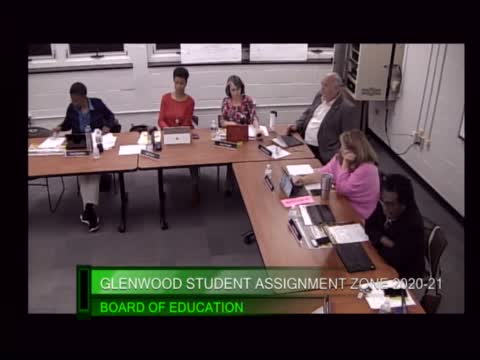
District enrollment staff presented two alternatives for Glenwood Elementary’s incoming kindergarten class for 2020–21 and sought board input on priorities.
Option 1 would shrink the base attendance zone and reserve 34 seats for the smaller zone, with some seats open for lottery placement and transportation-focused assignments; Option 2 would impose a cap and keep the current, larger intake zone, meaning fewer openings for out-of-zone students. Staff emphasized the practical tradeoffs: class-size mandates for K–3, cafeteria and common-area capacity at Glenwood, sibling and magnet/dual-language lottery weights, and the effect of grandfathered students on net available seats.
Staff said they are collecting a parent survey (responses due the following day) to estimate how many incoming kindergartners will claim seats and will report those results before the board votes. The presentation highlighted two planning variables that will shape any final policy: (1) whether to allow families to list multiple program preferences (dual language, STEAM, etc.) and how to weight those choices in the lottery algorithm; and (2) how to treat staff who work at Glenwood and wish to enroll their children.
Board members asked detailed implementation questions — for example, whether an older sibling could join a younger sibling accepted through lottery, how many new families might be displaced under each option, and how the proposed changes would interact with a full redistricting process planned for the following year. Several trustees said they want clearer simulations and case studies that show how the lottery and sibling/priority rules would operate in practice before selecting a plan.
What’s next: Staff will return with survey results, scenario simulations and legal review of priority definitions; the board did not vote on a final zone change that evening.
Option 1 would shrink the base attendance zone and reserve 34 seats for the smaller zone, with some seats open for lottery placement and transportation-focused assignments; Option 2 would impose a cap and keep the current, larger intake zone, meaning fewer openings for out-of-zone students. Staff emphasized the practical tradeoffs: class-size mandates for K–3, cafeteria and common-area capacity at Glenwood, sibling and magnet/dual-language lottery weights, and the effect of grandfathered students on net available seats.
Staff said they are collecting a parent survey (responses due the following day) to estimate how many incoming kindergartners will claim seats and will report those results before the board votes. The presentation highlighted two planning variables that will shape any final policy: (1) whether to allow families to list multiple program preferences (dual language, STEAM, etc.) and how to weight those choices in the lottery algorithm; and (2) how to treat staff who work at Glenwood and wish to enroll their children.
Board members asked detailed implementation questions — for example, whether an older sibling could join a younger sibling accepted through lottery, how many new families might be displaced under each option, and how the proposed changes would interact with a full redistricting process planned for the following year. Several trustees said they want clearer simulations and case studies that show how the lottery and sibling/priority rules would operate in practice before selecting a plan.
What’s next: Staff will return with survey results, scenario simulations and legal review of priority definitions; the board did not vote on a final zone change that evening.
Don't Miss a Word: See the Full Meeting!
Go beyond summaries. Unlock every video, transcript, and key insight with a Founder Membership.
✓
Get instant access to full meeting videos
✓
Search and clip any phrase from complete transcripts
✓
Receive AI-powered summaries & custom alerts
✓
Enjoy lifetime, unrestricted access to government data
30-day money-back guarantee
