Howard County landlords and tenants split over proposed landlord‑tenant code changes
May 11, 2026 | Howard County, Maryland
This article was created by AI summarizing key points discussed. AI makes mistakes, so for full details and context, please refer to the video of the full meeting. Please report any errors so we can fix them. Report an error »
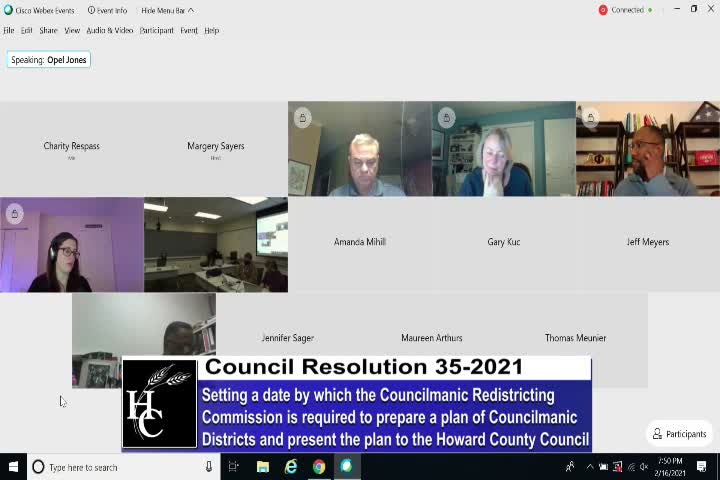
Howard County Council heard competing testimony on Council Bill 14, a comprehensive revision to local landlord‑tenant rules introduced by Councilmember David Youngman. The bill would allow landlords to show model or substantially similar units, adjust tenants’ rights to terminate leases in certain circumstances, alter the rent payment grace period, and modify recovery of court and filing costs.
Jessie Keller of the Maryland Multi‑Housing Association (MMHA) told the council CB14 aims to fix operational problems created by the county’s 2018 landlord‑tenant ordinance, including clarity on showing occupied units and a standardized grace period. Jim Johnson (Henderson Webb), representing property owners, said showing occupied units creates privacy and safety concerns for tenants and raised due‑process and cost‑recovery concerns for landlords. He argued some due‑process protections for owners are necessary when citations are disputed.
Tenant advocates, including Jessica Bergman of Howard County Indivisible, opposed provisions that would allow landlords to avoid showing the actual unit before lease signing and said the bill could strip renters’ contractual protections. Bergman and others urged the council to preserve safeguards recognizing information asymmetry between landlords and renters and to avoid changes that could pressure tenants into accepting inferior units.
Sponsor Councilmember David Youngman and staff characterized the legislation as a cleanup of the 2018 law, noting the updated text responds to operational experience and stakeholder input. Councilmembers engaged both sides on specific provisions, asked for a side‑by‑side comparison with the 2020 draft and requested further detail from the Administration and community partners (including Bridges to Stability) about remaining concerns.
The council indicated that a work session on Feb. 22 would provide additional time for staff and stakeholders to reconcile outstanding issues. No vote was taken at the hearing.
Jessie Keller of the Maryland Multi‑Housing Association (MMHA) told the council CB14 aims to fix operational problems created by the county’s 2018 landlord‑tenant ordinance, including clarity on showing occupied units and a standardized grace period. Jim Johnson (Henderson Webb), representing property owners, said showing occupied units creates privacy and safety concerns for tenants and raised due‑process and cost‑recovery concerns for landlords. He argued some due‑process protections for owners are necessary when citations are disputed.
Tenant advocates, including Jessica Bergman of Howard County Indivisible, opposed provisions that would allow landlords to avoid showing the actual unit before lease signing and said the bill could strip renters’ contractual protections. Bergman and others urged the council to preserve safeguards recognizing information asymmetry between landlords and renters and to avoid changes that could pressure tenants into accepting inferior units.
Sponsor Councilmember David Youngman and staff characterized the legislation as a cleanup of the 2018 law, noting the updated text responds to operational experience and stakeholder input. Councilmembers engaged both sides on specific provisions, asked for a side‑by‑side comparison with the 2020 draft and requested further detail from the Administration and community partners (including Bridges to Stability) about remaining concerns.
The council indicated that a work session on Feb. 22 would provide additional time for staff and stakeholders to reconcile outstanding issues. No vote was taken at the hearing.
View the Full Meeting & All Its Details
This article offers just a summary. Unlock complete video, transcripts, and insights as a Founder Member.
✓
Watch full, unedited meeting videos
✓
Search every word spoken in unlimited transcripts
✓
AI summaries & real-time alerts (all government levels)
✓
Permanent access to expanding government content
30-day money-back guarantee
