New York Assembly passes one‑house budget resolution after hours of debate over taxes, MTA funding and UI debt
May 10, 2026 | 2026 Legislature NY, New York
This article was created by AI summarizing key points discussed. AI makes mistakes, so for full details and context, please refer to the video of the full meeting. Please report any errors so we can fix them. Report an error »
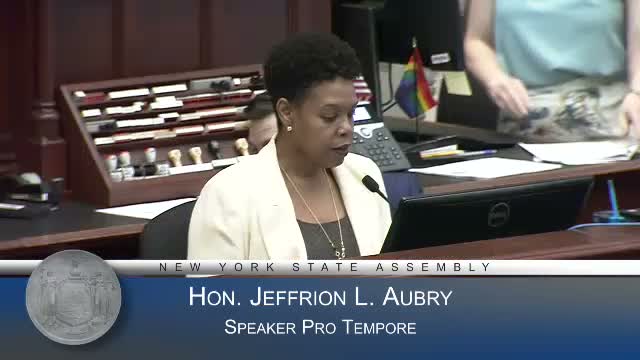
Albany — The New York State Assembly on March 16 passed its one‑house budget resolution after a lengthy floor debate about taxes, transit funding and the treatment of the unemployment‑insurance shortfall.
The chamber approved the resolution on a 96–47 recorded vote after Ways and Means Chair Miss Weinstein outlined the Assembly’s alternative to the governor’s proposal, saying the plan would preserve local control while increasing spending for schools, the MTA and health care.
The Assembly’s all‑funds spending plan was described on the floor as approximately $232.9 billion, with state operating funds described at about $129.2 billion and general fund spending at roughly $111.3 billion. The sponsor said the one‑house proposal is about $5.9 billion over the executive proposal on an all‑funds basis and increases the projected out‑year gaps relative to the governor’s plan.
Why it matters: Lawmakers framed the debate around trade‑offs the budget forces — new or higher temporary taxes to pay for expanded services and relief versus concerns about long‑term fiscal sustainability and regional fairness in funding.
Key provisions and disputes
- Transit and taxes: The Assembly rejected the governor’s proposed MTA payroll‑tax increase and instead proposed revenue from a temporary increase in the corporate franchise tax on firms with an income base above $5 million, along with new collections from digital products and delivery transaction fees. The sponsor said the package would produce more dedicated transit revenue than the executive plan and shield riders from fare hikes.
- Unemployment‑insurance debt: To address roughly $8 billion in outstanding federal UI borrowing, the Assembly included an option to authorize the Dormitory Authority to issue $2 billion in bonds to accelerate restoration of the trust fund; sponsors said that action would make the fund solvent in 2026 instead of 2028 and reduce employer surcharges. Critics asked why bonding was chosen rather than using federal funds or other balances.
- Health and human services: The Assembly proposed a larger Medicaid reimbursement increase than the governor, doubling a proposed 5% increase to 10% for hospitals and long‑term care providers, and included funding for distressed hospitals and higher education and child‑care investments.
- Housing and local control: The chamber rejected the governor’s housing compact and instead created an incentive‑based Housing Action Plan, a $625 million program offering planning and implementation grants to municipalities that opt in and meet affordability and transit‑oriented targets; the plan includes clawback provisions for jurisdictions that accept initial funds but fail to follow through.
Vote and next steps
The one‑house budget resolution passed 96–47. The chair and majority leaders said the Assembly’s plan will now be the starting point for negotiations with the Senate and the governor during the final budget process. The sponsor noted short negotiation windows and signaled follow‑up work for remaining policy items that the Assembly had omitted from the spending bill itself.
Votes at a glance
- Assembly one‑house budget resolution (1 House, page 3 calendar): Passed 96–47 (party vote requested). Sponsor: Ways and Means chair Miss Weinstein.
- Consent and ceremonial resolutions (nutrition month, Navy Reserve Day, Morquio A Awareness and others): Adopted by voice vote earlier in the session.
What lawmakers said
“We’ve invested in people, in local government, and in transit to avert a $3 fare,” Ways and Means Chair Miss Weinstein said in her floor explanation of the resolution, urging colleagues to support the plan to avoid additional costs for commuters.
Opponents, including members skeptical of the revenue package, warned the higher near‑term spending and targeted tax increases risked making New York less competitive and vulnerable to future cutbacks if revenues soften. Several opponents cited migration of high‑income taxpayers as evidence that raising rates on top earners carries risks.
Process and what’s next
Assembly leaders said they expect three‑way negotiations with the Senate and governor to begin immediately; the one‑house resolution provides the Assembly’s negotiating platform but does not finalize the final enacted budget. Members also stressed that many policy matters deferred during the floor debate — from corrections practices to certain regulatory changes — will be addressed in committee or in standalone bills after the budget talks.
The Assembly adjourned at the close of the day and scheduled reconvening for the next session day, with final budget passage expected after three‑way talks conclude.
The chamber approved the resolution on a 96–47 recorded vote after Ways and Means Chair Miss Weinstein outlined the Assembly’s alternative to the governor’s proposal, saying the plan would preserve local control while increasing spending for schools, the MTA and health care.
The Assembly’s all‑funds spending plan was described on the floor as approximately $232.9 billion, with state operating funds described at about $129.2 billion and general fund spending at roughly $111.3 billion. The sponsor said the one‑house proposal is about $5.9 billion over the executive proposal on an all‑funds basis and increases the projected out‑year gaps relative to the governor’s plan.
Why it matters: Lawmakers framed the debate around trade‑offs the budget forces — new or higher temporary taxes to pay for expanded services and relief versus concerns about long‑term fiscal sustainability and regional fairness in funding.
Key provisions and disputes
- Transit and taxes: The Assembly rejected the governor’s proposed MTA payroll‑tax increase and instead proposed revenue from a temporary increase in the corporate franchise tax on firms with an income base above $5 million, along with new collections from digital products and delivery transaction fees. The sponsor said the package would produce more dedicated transit revenue than the executive plan and shield riders from fare hikes.
- Unemployment‑insurance debt: To address roughly $8 billion in outstanding federal UI borrowing, the Assembly included an option to authorize the Dormitory Authority to issue $2 billion in bonds to accelerate restoration of the trust fund; sponsors said that action would make the fund solvent in 2026 instead of 2028 and reduce employer surcharges. Critics asked why bonding was chosen rather than using federal funds or other balances.
- Health and human services: The Assembly proposed a larger Medicaid reimbursement increase than the governor, doubling a proposed 5% increase to 10% for hospitals and long‑term care providers, and included funding for distressed hospitals and higher education and child‑care investments.
- Housing and local control: The chamber rejected the governor’s housing compact and instead created an incentive‑based Housing Action Plan, a $625 million program offering planning and implementation grants to municipalities that opt in and meet affordability and transit‑oriented targets; the plan includes clawback provisions for jurisdictions that accept initial funds but fail to follow through.
Vote and next steps
The one‑house budget resolution passed 96–47. The chair and majority leaders said the Assembly’s plan will now be the starting point for negotiations with the Senate and the governor during the final budget process. The sponsor noted short negotiation windows and signaled follow‑up work for remaining policy items that the Assembly had omitted from the spending bill itself.
Votes at a glance
- Assembly one‑house budget resolution (1 House, page 3 calendar): Passed 96–47 (party vote requested). Sponsor: Ways and Means chair Miss Weinstein.
- Consent and ceremonial resolutions (nutrition month, Navy Reserve Day, Morquio A Awareness and others): Adopted by voice vote earlier in the session.
What lawmakers said
“We’ve invested in people, in local government, and in transit to avert a $3 fare,” Ways and Means Chair Miss Weinstein said in her floor explanation of the resolution, urging colleagues to support the plan to avoid additional costs for commuters.
Opponents, including members skeptical of the revenue package, warned the higher near‑term spending and targeted tax increases risked making New York less competitive and vulnerable to future cutbacks if revenues soften. Several opponents cited migration of high‑income taxpayers as evidence that raising rates on top earners carries risks.
Process and what’s next
Assembly leaders said they expect three‑way negotiations with the Senate and governor to begin immediately; the one‑house resolution provides the Assembly’s negotiating platform but does not finalize the final enacted budget. Members also stressed that many policy matters deferred during the floor debate — from corrections practices to certain regulatory changes — will be addressed in committee or in standalone bills after the budget talks.
The Assembly adjourned at the close of the day and scheduled reconvening for the next session day, with final budget passage expected after three‑way talks conclude.
View the Full Meeting & All Its Details
This article offers just a summary. Unlock complete video, transcripts, and insights as a Founder Member.
✓
Watch full, unedited meeting videos
✓
Search every word spoken in unlimited transcripts
✓
AI summaries & real-time alerts (all government levels)
✓
Permanent access to expanding government content
30-day money-back guarantee
