Supervisors advance review of psychotropic medication use in foster care after dispute over media reporting
May 10, 2026 | Alameda County, California
This article was created by AI summarizing key points discussed. AI makes mistakes, so for full details and context, please refer to the video of the full meeting. Please report any errors so we can fix them. Report an error »
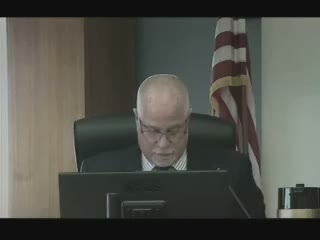
The Alameda County Board of Supervisors voted to advance Item 6 on Oct. 28 after a lengthy presentation and discussion about psychotropic and antipsychotic prescribing for children in foster care.
Supervisor Nate Miley pressed Health Care Services and Behavioral Health staff for detail and said she had considered pulling the item because of “disturbing” media coverage that she said unfairly singled out a county contractor. “An African American woman who's built up a company…was not treated well in the media,” Miley said on the record, adding that the treatment “pissed me off.”
County staff, introduced by the county administrator, described a multi-year review of prescribing practices funded in part by two rounds of grants from the Zellerbach Foundation and said the county shares de-identified data with partners. The presenter said Alameda County has "about 78 percent" of foster children connected to its behavioral health system — a penetration rate staff called the highest in the state — and underscored that system design, not a single provider, drives medication use.
The county’s presentation named Pathways to Wellness as a long-term contractor that helped recruit physicians for children’s mental health care; staff said the contractor has performed well under contract and that a consultant quoted in a news story erred by naming one provider. The presenter said the county and the contractor had met repeatedly after the article to review the facts.
Supervisor Miley moved the item; the motion was seconded by Supervisor Vallejo and the board approved it, recorded as 4 ayes, 1 excused. The board did not adopt different policy at the meeting; staff said the discussion would inform ongoing oversight and public explanation of the review.
Clarifying details recorded in the presentation included that the number of children in county care declined from about 5,500 to about 1,400 and that the remaining population is more likely to have behavioral health challenges. The county also noted challenges in recruiting physicians at prevailing rates and explained why it aggregates purchasing and staffing through contractors to maintain clinical capacity.
The board’s action advances staff oversight and review of prescribing practices; supervisors said they expect further follow-up and clearer communications with the press about system context rather than singling out providers.
Supervisor Nate Miley pressed Health Care Services and Behavioral Health staff for detail and said she had considered pulling the item because of “disturbing” media coverage that she said unfairly singled out a county contractor. “An African American woman who's built up a company…was not treated well in the media,” Miley said on the record, adding that the treatment “pissed me off.”
County staff, introduced by the county administrator, described a multi-year review of prescribing practices funded in part by two rounds of grants from the Zellerbach Foundation and said the county shares de-identified data with partners. The presenter said Alameda County has "about 78 percent" of foster children connected to its behavioral health system — a penetration rate staff called the highest in the state — and underscored that system design, not a single provider, drives medication use.
The county’s presentation named Pathways to Wellness as a long-term contractor that helped recruit physicians for children’s mental health care; staff said the contractor has performed well under contract and that a consultant quoted in a news story erred by naming one provider. The presenter said the county and the contractor had met repeatedly after the article to review the facts.
Supervisor Miley moved the item; the motion was seconded by Supervisor Vallejo and the board approved it, recorded as 4 ayes, 1 excused. The board did not adopt different policy at the meeting; staff said the discussion would inform ongoing oversight and public explanation of the review.
Clarifying details recorded in the presentation included that the number of children in county care declined from about 5,500 to about 1,400 and that the remaining population is more likely to have behavioral health challenges. The county also noted challenges in recruiting physicians at prevailing rates and explained why it aggregates purchasing and staffing through contractors to maintain clinical capacity.
The board’s action advances staff oversight and review of prescribing practices; supervisors said they expect further follow-up and clearer communications with the press about system context rather than singling out providers.
View the Full Meeting & All Its Details
This article offers just a summary. Unlock complete video, transcripts, and insights as a Founder Member.
✓
Watch full, unedited meeting videos
✓
Search every word spoken in unlimited transcripts
✓
AI summaries & real-time alerts (all government levels)
✓
Permanent access to expanding government content
30-day money-back guarantee
