Assembly approves warrant requirement for most access to electronic device data
May 09, 2026 | 2026 Legislature NY, New York
This article was created by AI summarizing key points discussed. AI makes mistakes, so for full details and context, please refer to the video of the full meeting. Please report any errors so we can fix them. Report an error »
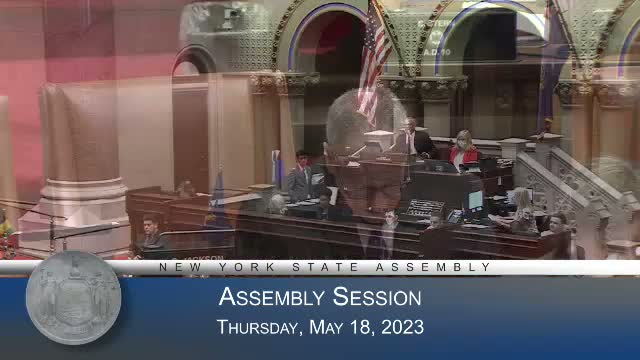
Assemblymember Dinowitz, the bill's sponsor, told colleagues the measure would "require a search warrant for access to all aspects of electronic communications except where federal law allows voluntary disclosure," explaining the bill requires particularity and contemporaneous notice to targets with narrow emergency exceptions.
Supporters said the bill updates Fourth Amendment protections to reflect the digital records people keep on phones and other devices. "People keep their information in other forms than on paper," Dinowitz said, arguing the law should require the same judicial oversight whether the data are paper or electronic.
Opponents pressed for clarity on emergency access and public-safety tradeoffs. Representative Goodell warned the measure "would prohibit law enforcement from getting that information without a warrant" and argued the bill could remove a valuable investigative tool used to identify suspects at violent-crime scenes. Members asked the sponsor to point to the sections that create or limit emergency access; Dinowitz noted the bill includes specified emergency procedures and a limited set of exceptions for lost, stolen or abandoned devices.
Majority leader Miss People Stokes said she supported the bill as a privacy protection: "I respect this bill because it's protecting our privacy," she said while explaining her vote.
After floor debate and several member explanations, the Assembly recorded a roll-call and the measure passed.
The next steps are standard: the bill will be enrolled for transmission to the Senate or to the governor, depending on its posture and whether it has already been returned from the other house.
Supporters said the bill updates Fourth Amendment protections to reflect the digital records people keep on phones and other devices. "People keep their information in other forms than on paper," Dinowitz said, arguing the law should require the same judicial oversight whether the data are paper or electronic.
Opponents pressed for clarity on emergency access and public-safety tradeoffs. Representative Goodell warned the measure "would prohibit law enforcement from getting that information without a warrant" and argued the bill could remove a valuable investigative tool used to identify suspects at violent-crime scenes. Members asked the sponsor to point to the sections that create or limit emergency access; Dinowitz noted the bill includes specified emergency procedures and a limited set of exceptions for lost, stolen or abandoned devices.
Majority leader Miss People Stokes said she supported the bill as a privacy protection: "I respect this bill because it's protecting our privacy," she said while explaining her vote.
After floor debate and several member explanations, the Assembly recorded a roll-call and the measure passed.
The next steps are standard: the bill will be enrolled for transmission to the Senate or to the governor, depending on its posture and whether it has already been returned from the other house.
Don't Miss a Word: See the Full Meeting!
Go beyond summaries. Unlock every video, transcript, and key insight with a Founder Membership.
✓
Get instant access to full meeting videos
✓
Search and clip any phrase from complete transcripts
✓
Receive AI-powered summaries & custom alerts
✓
Enjoy lifetime, unrestricted access to government data
30-day money-back guarantee
