Committee narrows chatbot pause in H.650, keeps EdTech registration but drops enforcement
May 09, 2026 | Education, SENATE, Committees, Legislative , Vermont
This article was created by AI summarizing key points discussed. AI makes mistakes, so for full details and context, please refer to the video of the full meeting. Please report any errors so we can fix them. Report an error »
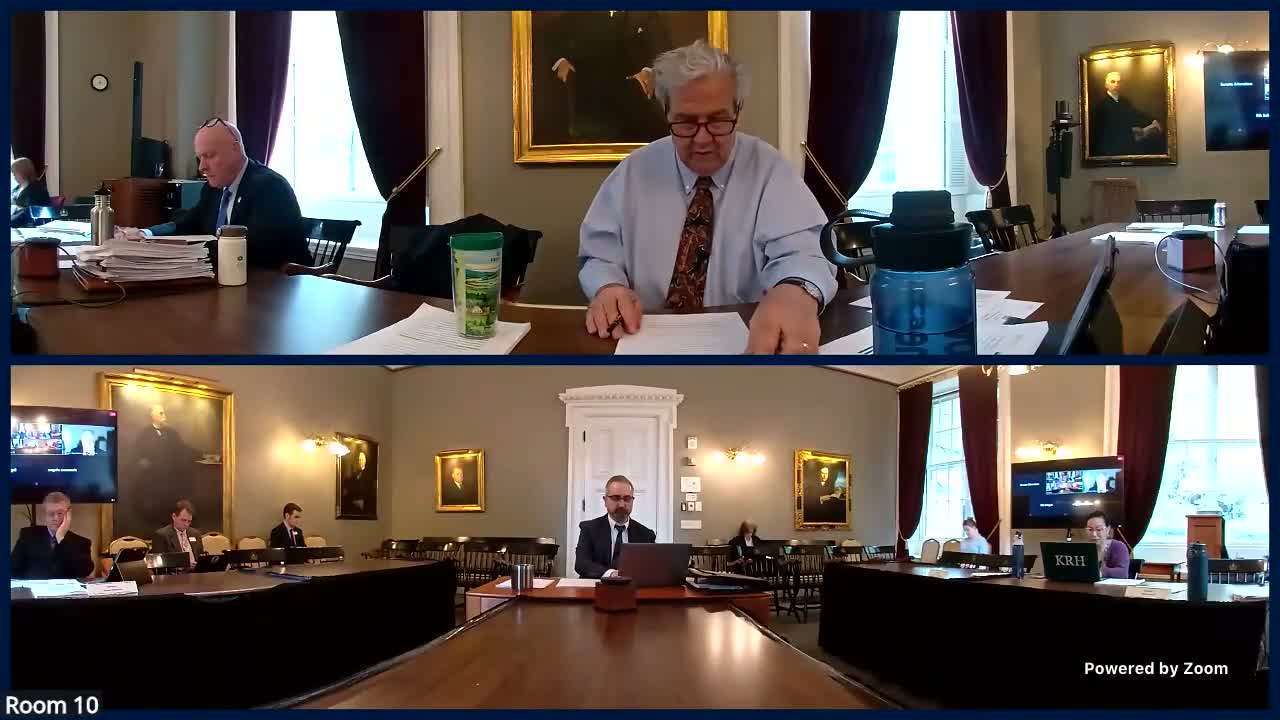
Senate education committee members reviewed H.650, a bill that would require EdTech providers to register with the state and impose a temporary pause on chatbot use in schools while the Assembly studies safety and governance.
Rick Sable, legislative counsel, told the committee the draft removes enforcement language from the registration section so providers would be required to register but would face no statutory penalty for failing to do so. He described the substantive portion on educational technology registration and the work remaining on definitions in draft 2.1.
On chatbots, the committee shortened a proposed five‑year prohibition to a two‑year pause (effectively to 2028) and added intent language saying the moratorium would give schools time to research and test technologies. Counsel read draft intent language: "Chatbots have been known to cause children to engage in academic dishonesty and to suffer from mental health harms like addiction and suicidal thoughts." That language framed the committee's cautious approach.
The bill allows narrow exceptions. A principal or head of school may grant an exception when a chatbot is "strictly necessary" for an educational purpose and must track exceptions and report provider name and justification to the Agency of Education (AOE). Members debated whether a single administrator should have sole authority or whether additional checks are needed; supporters said locating responsibility with one official prevents diffusion of accountability.
Another exception follows existing law: chatbots may be used if required by a student's individualized education program (IEP) or 504 accommodation; those uses must be documented under state and federal special‑education rules.
Lawmakers also discussed a legislative EdTech working group that could review chatbots as part of certification and a proposed parental opt‑out study on classroom technology. Counsel said AOE guidance is due by 08/01/2026 and that the working group could coordinate with the Secretary of State on registration mechanics. Committee members expressed concern that a registry without enforcement may have limited value for oversight.
The committee did not vote on H.650 in this session; counsel said he would post revised language and work with staff and agencies on the details.
Rick Sable, legislative counsel, told the committee the draft removes enforcement language from the registration section so providers would be required to register but would face no statutory penalty for failing to do so. He described the substantive portion on educational technology registration and the work remaining on definitions in draft 2.1.
On chatbots, the committee shortened a proposed five‑year prohibition to a two‑year pause (effectively to 2028) and added intent language saying the moratorium would give schools time to research and test technologies. Counsel read draft intent language: "Chatbots have been known to cause children to engage in academic dishonesty and to suffer from mental health harms like addiction and suicidal thoughts." That language framed the committee's cautious approach.
The bill allows narrow exceptions. A principal or head of school may grant an exception when a chatbot is "strictly necessary" for an educational purpose and must track exceptions and report provider name and justification to the Agency of Education (AOE). Members debated whether a single administrator should have sole authority or whether additional checks are needed; supporters said locating responsibility with one official prevents diffusion of accountability.
Another exception follows existing law: chatbots may be used if required by a student's individualized education program (IEP) or 504 accommodation; those uses must be documented under state and federal special‑education rules.
Lawmakers also discussed a legislative EdTech working group that could review chatbots as part of certification and a proposed parental opt‑out study on classroom technology. Counsel said AOE guidance is due by 08/01/2026 and that the working group could coordinate with the Secretary of State on registration mechanics. Committee members expressed concern that a registry without enforcement may have limited value for oversight.
The committee did not vote on H.650 in this session; counsel said he would post revised language and work with staff and agencies on the details.
Don't Miss a Word: See the Full Meeting!
Go beyond summaries. Unlock every video, transcript, and key insight with a Founder Membership.
✓
Get instant access to full meeting videos
✓
Search and clip any phrase from complete transcripts
✓
Receive AI-powered summaries & custom alerts
✓
Enjoy lifetime, unrestricted access to government data
30-day money-back guarantee
