NEBHE says $6.7M grant will fund New England prison-education collaborative and state planning grants
May 09, 2026 | Education, HOUSE OF REPRESENTATIVES, Committees, Legislative , Vermont
This article was created by AI summarizing key points discussed. AI makes mistakes, so for full details and context, please refer to the video of the full meeting. Please report any errors so we can fix them. Report an error »
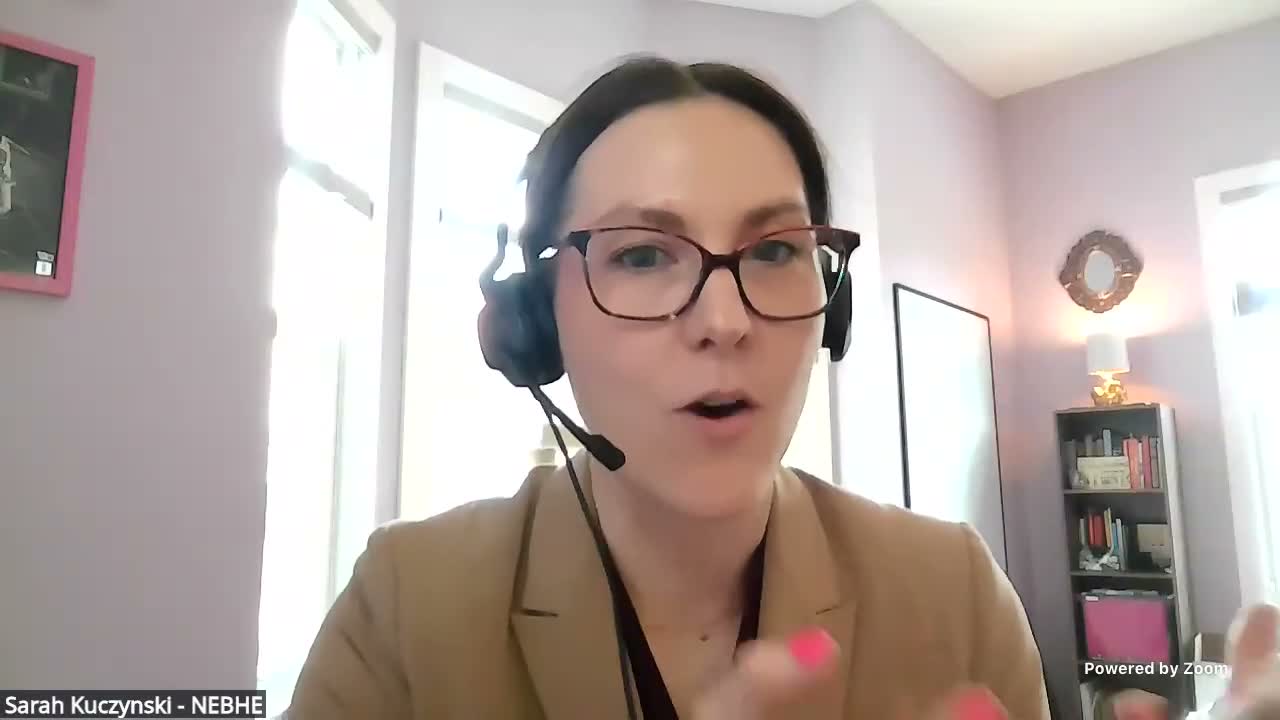
Sarah Kaczynski, director of transfer initiatives and director of the New England Prison Education Collaborative at the New England Board of Higher Education, told the House Education Committee that the compact’s prison-education work grew from a commission co-led with the Educational Justice Institute at MIT.
Sarah said the commission’s report recommended focused cross-agency planning and systemwide coordination after Pell eligibility for incarcerated learners was restored in mid-2023. "We secured funding $6,700,000 over 5 years, in February 2024," she said, referring to a grant from Ascendium Education Group to launch the New England Prison Education Collaborative and support planning and implementation in each state.
Sarah described NEBHE’s approach: the collaborative awards subgrants of up to $100,000 to each of the six New England states to build centralized plans for higher education in prison and post-release supports. The collaborative also runs an annual accelerator grant cycle; in its first year NEBHE awarded five $100,000 grants, and the year‑2 RFP will fund four $100,000 grants focused on credit mobility.
Committee members pressed whether the related "workforce Pell" program will immediately increase program eligibility or funding. Sarah said workforce Pell’s initial impact will be limited because eligible programs generally must have been in existence for a year; Michael added that wage‑premium demonstration requirements and individual sentencing status can complicate program eligibility.
Sarah said NEBHE’s research team interviewed 17 programs across New England for a white paper on academic reentry and post-release continuity—topics the collaborative will use to shape grant priorities. She highlighted Community College of Vermont and New Hampshire programs as providers that have sustained prison-education delivery and noted CCV’s efforts to engage correctional staff and family members as part of an ecosystem approach.
NEBHE invited Vermont legislators to participate in regional advisory groups and said it will share reports and links with the committee. No formal committee action was taken; presenters offered materials and offered to assist with state planning.
Sarah said the commission’s report recommended focused cross-agency planning and systemwide coordination after Pell eligibility for incarcerated learners was restored in mid-2023. "We secured funding $6,700,000 over 5 years, in February 2024," she said, referring to a grant from Ascendium Education Group to launch the New England Prison Education Collaborative and support planning and implementation in each state.
Sarah described NEBHE’s approach: the collaborative awards subgrants of up to $100,000 to each of the six New England states to build centralized plans for higher education in prison and post-release supports. The collaborative also runs an annual accelerator grant cycle; in its first year NEBHE awarded five $100,000 grants, and the year‑2 RFP will fund four $100,000 grants focused on credit mobility.
Committee members pressed whether the related "workforce Pell" program will immediately increase program eligibility or funding. Sarah said workforce Pell’s initial impact will be limited because eligible programs generally must have been in existence for a year; Michael added that wage‑premium demonstration requirements and individual sentencing status can complicate program eligibility.
Sarah said NEBHE’s research team interviewed 17 programs across New England for a white paper on academic reentry and post-release continuity—topics the collaborative will use to shape grant priorities. She highlighted Community College of Vermont and New Hampshire programs as providers that have sustained prison-education delivery and noted CCV’s efforts to engage correctional staff and family members as part of an ecosystem approach.
NEBHE invited Vermont legislators to participate in regional advisory groups and said it will share reports and links with the committee. No formal committee action was taken; presenters offered materials and offered to assist with state planning.
View the Full Meeting & All Its Details
This article offers just a summary. Unlock complete video, transcripts, and insights as a Founder Member.
✓
Watch full, unedited meeting videos
✓
Search every word spoken in unlimited transcripts
✓
AI summaries & real-time alerts (all government levels)
✓
Permanent access to expanding government content
30-day money-back guarantee
