Local advocates press New Haven Board to seek authority to ban sale of miniature liquor bottles
May 08, 2026 | New Haven County, Connecticut
This article was created by AI summarizing key points discussed. AI makes mistakes, so for full details and context, please refer to the video of the full meeting. Please report any errors so we can fix them. Report an error »
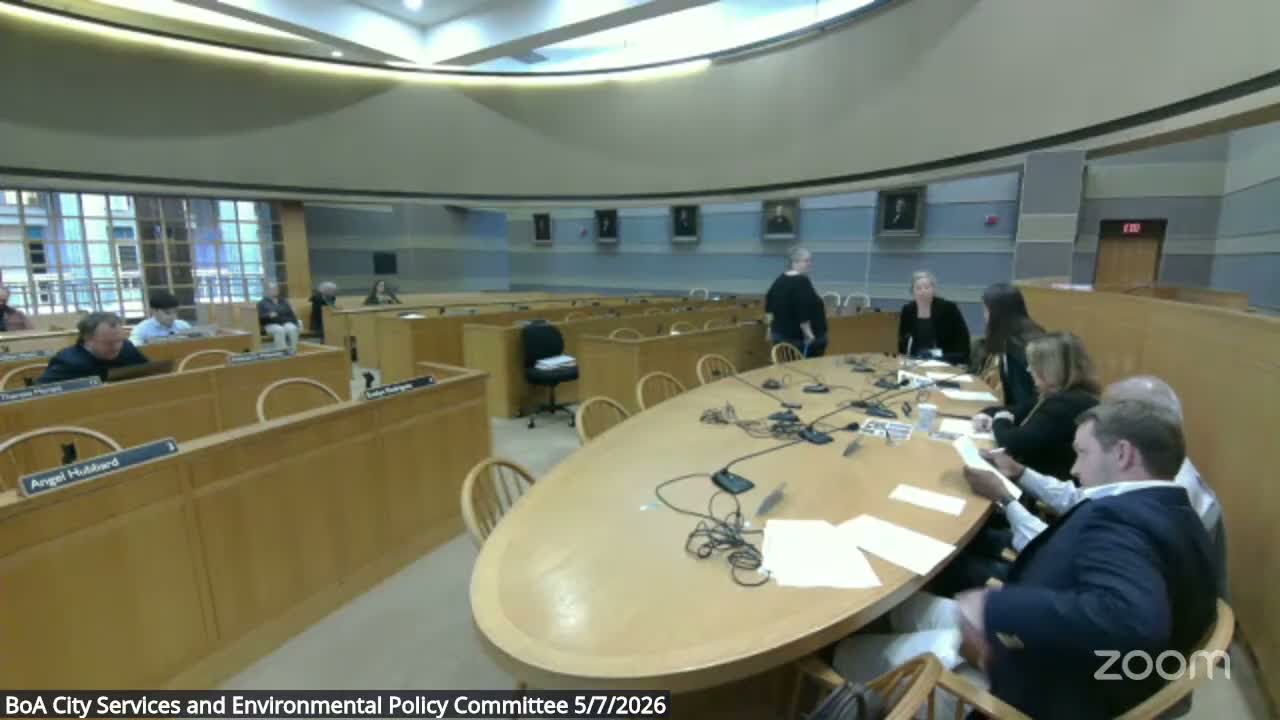
Environmental Advisory Council members and local residents told the New Haven Board of Alders City Services & Environmental Policy Committee on Thursday they want the state to give municipalities the option to ban the sale of miniature liquor bottles, often called “nips,” saying the tiny containers are a disproportionate source of litter and environmental harm in New Haven.
The council’s presentation said towns in Massachusetts that restricted sale of the small bottles saw sharp drops in alcohol-related emergency calls and in the share of litter made up by mini bottles. "We sold 2,400,000 nips and collected $120,164," said a council representative reporting recent local figures, adding that the surcharge revenues do not cover cleanup costs.
Advocates described practical problems in handling nips: inconsistent shapes, small metal or plastic lids that escape recycling machinery, and the bottles’ role in hidden drinking and roadside litter. "It's an environmental justice issue," public commenter Aaron Goode said, urging local control or a statewide ban because New Haven bears a disproportionate share of the litter and public-safety burden.
Committee members asked presenters to provide written language clarifying whether the Board should request a statewide ban or enabling legislation that would let individual municipalities opt in. Chair Anna M. Festa said the packet did not include the letter the committee would need to act and invited the Environmental Advisory Council to return with a clear draft of the Board’s request and any suggested statutory wording.
The committee did not vote on the resolution and formally passed over the item until members had the requested letter and time to review specifics. Several alderpersons said they were open to further discussion but wanted more detailed data and precise legislative language before committing to an official Board position.
Next steps: the Environmental Advisory Council will prepare and submit a draft letter specifying whether they seek municipal authority or a statewide ban, and the committee will consider inviting them back for follow-up and potential referral to the full Board.
The council’s presentation said towns in Massachusetts that restricted sale of the small bottles saw sharp drops in alcohol-related emergency calls and in the share of litter made up by mini bottles. "We sold 2,400,000 nips and collected $120,164," said a council representative reporting recent local figures, adding that the surcharge revenues do not cover cleanup costs.
Advocates described practical problems in handling nips: inconsistent shapes, small metal or plastic lids that escape recycling machinery, and the bottles’ role in hidden drinking and roadside litter. "It's an environmental justice issue," public commenter Aaron Goode said, urging local control or a statewide ban because New Haven bears a disproportionate share of the litter and public-safety burden.
Committee members asked presenters to provide written language clarifying whether the Board should request a statewide ban or enabling legislation that would let individual municipalities opt in. Chair Anna M. Festa said the packet did not include the letter the committee would need to act and invited the Environmental Advisory Council to return with a clear draft of the Board’s request and any suggested statutory wording.
The committee did not vote on the resolution and formally passed over the item until members had the requested letter and time to review specifics. Several alderpersons said they were open to further discussion but wanted more detailed data and precise legislative language before committing to an official Board position.
Next steps: the Environmental Advisory Council will prepare and submit a draft letter specifying whether they seek municipal authority or a statewide ban, and the committee will consider inviting them back for follow-up and potential referral to the full Board.
View the Full Meeting & All Its Details
This article offers just a summary. Unlock complete video, transcripts, and insights as a Founder Member.
✓
Watch full, unedited meeting videos
✓
Search every word spoken in unlimited transcripts
✓
AI summaries & real-time alerts (all government levels)
✓
Permanent access to expanding government content
30-day money-back guarantee
