Senate debates home‑study oversight amendment to H.930; amendment fails on roll call and bill passes
May 09, 2026 | SENATE, Committees, Legislative , Vermont
This article was created by AI summarizing key points discussed. AI makes mistakes, so for full details and context, please refer to the video of the full meeting. Please report any errors so we can fix them. Report an error »
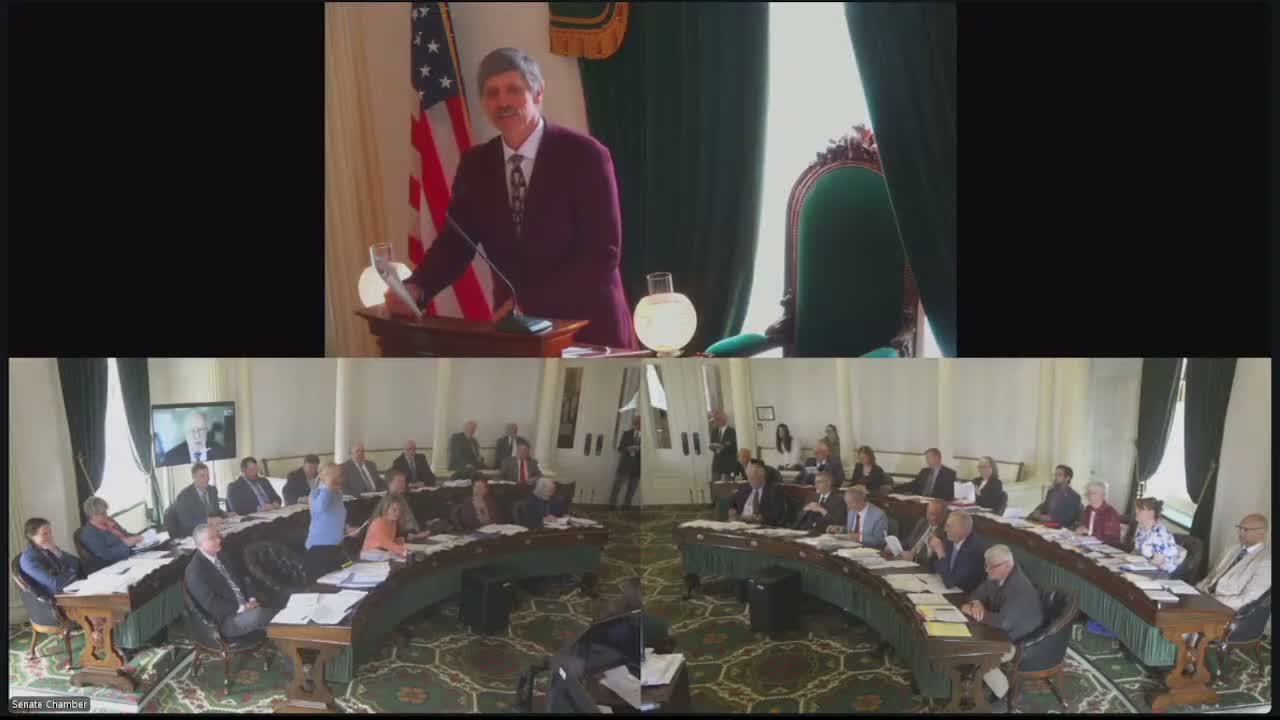
H.930, an act aimed at addressing and preventing chronic absenteeism, drew extended floor debate over an amendment that would add a temporary check between superintendents, the Department for Children and Families (DCF), and the Agency of Education (AOE) when there are documented and unresolved child‑welfare, educational‑neglect, or truancy concerns at the time a family submits a home‑study enrollment.
A senator from Chittenden Central described testimony and superintendent concerns about a small number of students who exit public oversight at high risk; the amendment would require communication between the superintendent, AOE, and DCF but would not itself trigger investigations or remove homeschooling rights. The education committee reported it had not had time to take testimony from DCF and AOE and recommended not supporting the amendment at that time (committee vote 6–0). Supporters said the amendment provides an interim safeguard until the forthcoming report is complete; opponents warned the amendment creates new mandates, implementation questions, and database/privacy implications without agency consultation.
A subsequent roll-call vote on an amendment proposed by senator Gulick recorded 6 yes and 24 no, and that amendment failed. The Senate later ordered H.930 read a third time and passed the bill in concurrence with the House's proposal of amendment.
Floor debate emphasized process and the need for further stakeholder and agency involvement to define how notifications and any reporting would work if enacted in future language.
A senator from Chittenden Central described testimony and superintendent concerns about a small number of students who exit public oversight at high risk; the amendment would require communication between the superintendent, AOE, and DCF but would not itself trigger investigations or remove homeschooling rights. The education committee reported it had not had time to take testimony from DCF and AOE and recommended not supporting the amendment at that time (committee vote 6–0). Supporters said the amendment provides an interim safeguard until the forthcoming report is complete; opponents warned the amendment creates new mandates, implementation questions, and database/privacy implications without agency consultation.
A subsequent roll-call vote on an amendment proposed by senator Gulick recorded 6 yes and 24 no, and that amendment failed. The Senate later ordered H.930 read a third time and passed the bill in concurrence with the House's proposal of amendment.
Floor debate emphasized process and the need for further stakeholder and agency involvement to define how notifications and any reporting would work if enacted in future language.
View the Full Meeting & All Its Details
This article offers just a summary. Unlock complete video, transcripts, and insights as a Founder Member.
✓
Watch full, unedited meeting videos
✓
Search every word spoken in unlimited transcripts
✓
AI summaries & real-time alerts (all government levels)
✓
Permanent access to expanding government content
30-day money-back guarantee
