CFISD finance update: district projects $31.7M year‑end shortfall, $67.4M projected for 2026–27
May 08, 2026 | CYPRESS-FAIRBANKS ISD, School Districts, Texas
This article was created by AI summarizing key points discussed. AI makes mistakes, so for full details and context, please refer to the video of the full meeting. Please report any errors so we can fix them. Report an error »
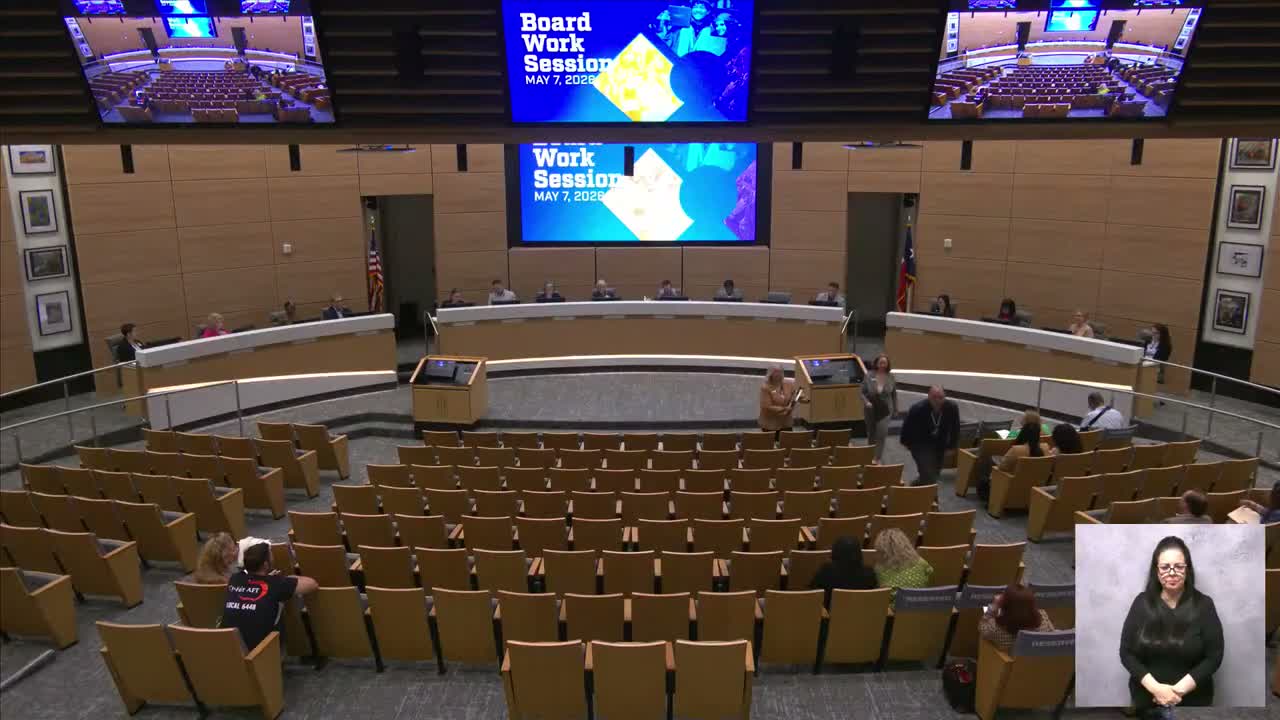
Karen Smith, presenting the general operating budget update at the May 7 work session, said the district's estimated general‑fund deficit at June 30, 2026 is $31,700,000, an improvement from the April estimate of $33,700,000.
"Based on actual results through April, the estimated deficit at 06/30/2026 is estimated to be 31,700,000," Karen Smith said, noting the month‑to‑month change was driven largely by moving eligible expenditures from the general fund to grant funds and by updated enrollment figures that reduced teacher allocations.
Smith and trustees discussed the 2026–27 outlook: the revised estimated deficit for 2026–27 is $67,400,000, and the district projects months in fund balance of 4.92 at 6/30/2026 and roughly 4.29 at 6/30/2027 — close to the district's minimum target of four months. Smith reiterated that the 2026–27 budget currently does not include an across‑the‑board pay raise and that a 1% increase in pay would cost about $9 million for the district.
The presentation described Texas' 17 enrichment 'pennies' available to districts, of which CFISD has accessed five. Smith provided modeled revenue figures per penny and homeowner impacts under several VATRE (voter approval tax rate election) mixes: each remaining golden penny would yield roughly $16.6 million and is not subject to recapture; each copper penny yields about $6.0 million net of recapture. Under sample scenarios on a $350,000 home, net annual school property tax impacts ranged from about $56 to $126 depending on how many pennies were accessed.
Board members discussed tradeoffs: Trustee Ray and others emphasized that bringing the district to near‑neutral would require several pennies (Trustee Ray said 7 pennies was closer to a meaningful offset) and warned that falling below four months of fund balance could harm the district's bond rating and increase future borrowing costs. Trustees also debated legislative strategies to address the state's 'low‑HE' funding disparity and discussed the timing and risk of calling a VATRE before November 2027.
Next steps: staff will provide priority rankings and additional analysis for a May 21 budget workshop; trustees will consider VATRE timing, potential spending reductions and further outreach to state officials for funding relief.
"Based on actual results through April, the estimated deficit at 06/30/2026 is estimated to be 31,700,000," Karen Smith said, noting the month‑to‑month change was driven largely by moving eligible expenditures from the general fund to grant funds and by updated enrollment figures that reduced teacher allocations.
Smith and trustees discussed the 2026–27 outlook: the revised estimated deficit for 2026–27 is $67,400,000, and the district projects months in fund balance of 4.92 at 6/30/2026 and roughly 4.29 at 6/30/2027 — close to the district's minimum target of four months. Smith reiterated that the 2026–27 budget currently does not include an across‑the‑board pay raise and that a 1% increase in pay would cost about $9 million for the district.
The presentation described Texas' 17 enrichment 'pennies' available to districts, of which CFISD has accessed five. Smith provided modeled revenue figures per penny and homeowner impacts under several VATRE (voter approval tax rate election) mixes: each remaining golden penny would yield roughly $16.6 million and is not subject to recapture; each copper penny yields about $6.0 million net of recapture. Under sample scenarios on a $350,000 home, net annual school property tax impacts ranged from about $56 to $126 depending on how many pennies were accessed.
Board members discussed tradeoffs: Trustee Ray and others emphasized that bringing the district to near‑neutral would require several pennies (Trustee Ray said 7 pennies was closer to a meaningful offset) and warned that falling below four months of fund balance could harm the district's bond rating and increase future borrowing costs. Trustees also debated legislative strategies to address the state's 'low‑HE' funding disparity and discussed the timing and risk of calling a VATRE before November 2027.
Next steps: staff will provide priority rankings and additional analysis for a May 21 budget workshop; trustees will consider VATRE timing, potential spending reductions and further outreach to state officials for funding relief.
View the Full Meeting & All Its Details
This article offers just a summary. Unlock complete video, transcripts, and insights as a Founder Member.
✓
Watch full, unedited meeting videos
✓
Search every word spoken in unlimited transcripts
✓
AI summaries & real-time alerts (all government levels)
✓
Permanent access to expanding government content
30-day money-back guarantee
