Haverford Township SD moves to end leveling in third-grade math, cites equity and student engagement
May 08, 2026 | Haverford Township SD, School Districts, Pennsylvania
This article was created by AI summarizing key points discussed. AI makes mistakes, so for full details and context, please refer to the video of the full meeting. Please report any errors so we can fix them. Report an error »
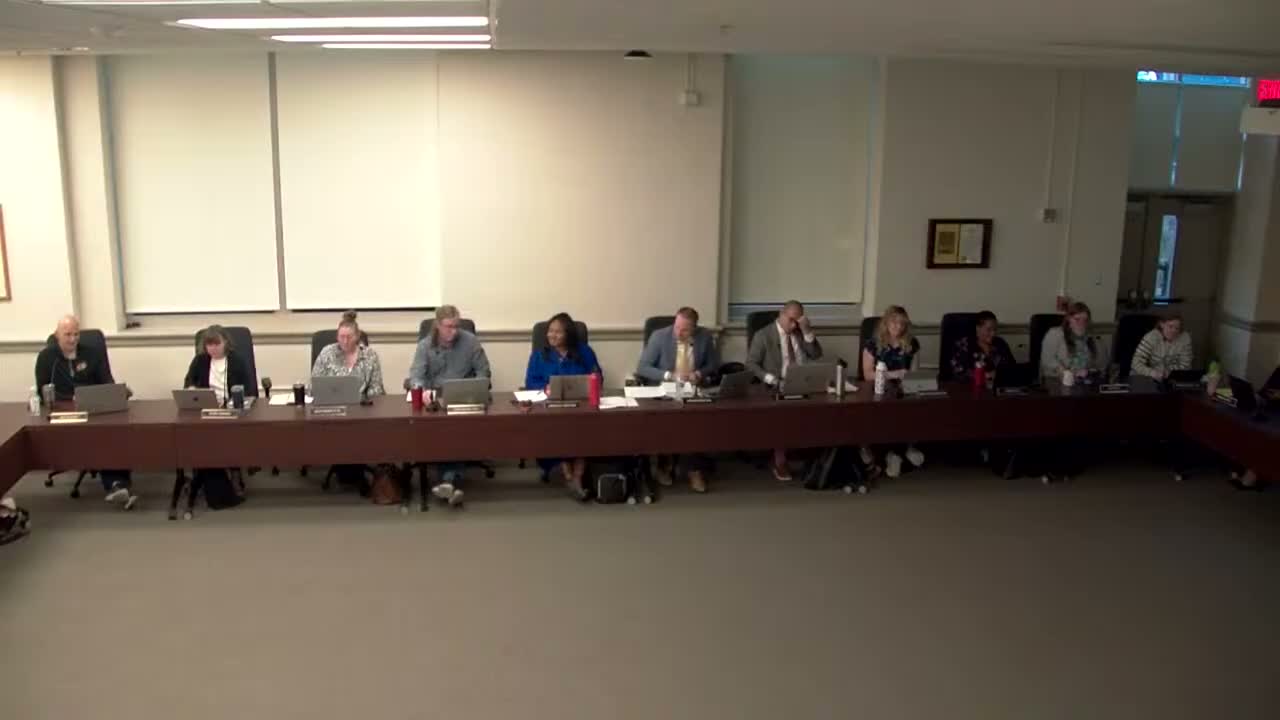
Administrators recommended the district stop assigning students to fixed math levels in third grade and instead rely on heterogeneous classrooms with flexible small-group "win time" supports.
"This decision is grounded in what research tells us about how students learn best and how we can maximize long term outcomes for all students," a presenter told the board, saying the change is meant to increase access while maintaining high expectations for all learners. (Speaker: Miss Leach, Chestnut Wall principal)
Nut graf: The presentation built on the district's ELA unleveling pilot in fourth and fifth grades, where administrators reported largely positive teacher feedback and some early student engagement and growth signals. District leaders said early placements can become fixed pathways and that flexible grouping and frequent data review will allow movement based on student needs.
Administrators described key supports: "win time" (a 45-minute daily period alternating ELA and math used to form data-driven small groups), MAP and local curriculum-based assessments used three times per year, cluster grouping for advanced learners inside heterogeneous classrooms, and pull-in support from seminar/gifted-resource teachers.
"Win groups are very flexible every 6 weeks depending on how a student is performing," a principal said, describing how teachers meet as data teams to form and adjust groups. (Speaker: Doctor Adelizzi, Manoa principal)
Board members expressed support for the rationale but pressed for evidence and implementation details. "I'd like to see that data and make sure that it is broken out," said Trustee Snodgrass, urging the administration to provide growth analyses that separate top and bottom deciles and to clarify how clusters will be sized and scheduled.
Administrators acknowledged implementation risks and confounding variables, including a new curriculum rollout and changes to assessment norms. They said they will monitor multiple measures (trimester curriculum-based assessments, spring MAP, PSSA) and return with midyear updates and a deeper breakdown of outcomes. Pointers for trustees included frequency of group movement (every six weeks), how gifted seminar teachers will "push in" to support clusters, and that schedule changes are generally minimal for third graders.
What happens next: The administration will provide the requested disaggregated data and return with progress updates (midyear and as new MAP/PSSA results become available). No board policy change or formal vote on classroom placement structures was taken at the work session; the discussion was informational and intended to guide next steps.
"This decision is grounded in what research tells us about how students learn best and how we can maximize long term outcomes for all students," a presenter told the board, saying the change is meant to increase access while maintaining high expectations for all learners. (Speaker: Miss Leach, Chestnut Wall principal)
Nut graf: The presentation built on the district's ELA unleveling pilot in fourth and fifth grades, where administrators reported largely positive teacher feedback and some early student engagement and growth signals. District leaders said early placements can become fixed pathways and that flexible grouping and frequent data review will allow movement based on student needs.
Administrators described key supports: "win time" (a 45-minute daily period alternating ELA and math used to form data-driven small groups), MAP and local curriculum-based assessments used three times per year, cluster grouping for advanced learners inside heterogeneous classrooms, and pull-in support from seminar/gifted-resource teachers.
"Win groups are very flexible every 6 weeks depending on how a student is performing," a principal said, describing how teachers meet as data teams to form and adjust groups. (Speaker: Doctor Adelizzi, Manoa principal)
Board members expressed support for the rationale but pressed for evidence and implementation details. "I'd like to see that data and make sure that it is broken out," said Trustee Snodgrass, urging the administration to provide growth analyses that separate top and bottom deciles and to clarify how clusters will be sized and scheduled.
Administrators acknowledged implementation risks and confounding variables, including a new curriculum rollout and changes to assessment norms. They said they will monitor multiple measures (trimester curriculum-based assessments, spring MAP, PSSA) and return with midyear updates and a deeper breakdown of outcomes. Pointers for trustees included frequency of group movement (every six weeks), how gifted seminar teachers will "push in" to support clusters, and that schedule changes are generally minimal for third graders.
What happens next: The administration will provide the requested disaggregated data and return with progress updates (midyear and as new MAP/PSSA results become available). No board policy change or formal vote on classroom placement structures was taken at the work session; the discussion was informational and intended to guide next steps.
View the Full Meeting & All Its Details
This article offers just a summary. Unlock complete video, transcripts, and insights as a Founder Member.
✓
Watch full, unedited meeting videos
✓
Search every word spoken in unlimited transcripts
✓
AI summaries & real-time alerts (all government levels)
✓
Permanent access to expanding government content
30-day money-back guarantee
