Students say Haverford listens: superintendent outlines how pupils can turn ideas into clubs, policy input
May 08, 2026 | Haverford Township SD, School Districts, Pennsylvania
This article was created by AI summarizing key points discussed. AI makes mistakes, so for full details and context, please refer to the video of the full meeting. Please report any errors so we can fix them. Report an error »
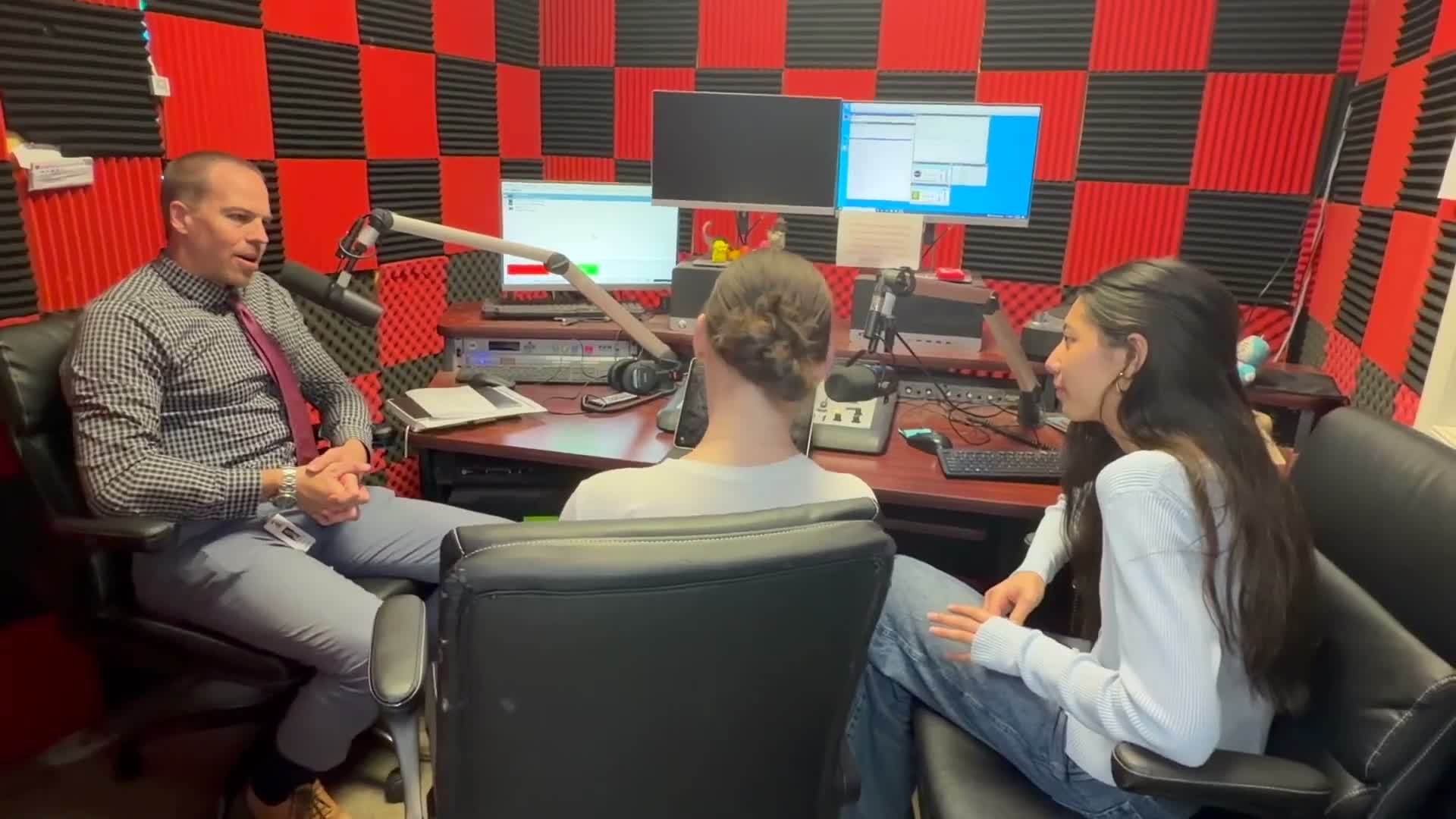
Students and Dr. Hayes discussed concrete ways pupils at Haverford High School can influence decisions about clubs, schedules and activities. The superintendent outlined district structures and practical steps for turning student ideas into lasting change.
Dr. Hayes, superintendent for Haverford Township SD, recalled starting a boys volleyball club in high school after a petition and used that example to stress the importance of a plan and collective support. "I started a petition to, to begin a boys volleyball team, which started off just as a club my senior year," he said, describing how the effort illustrated "the power of a collective agency" and the need for a practical, sustainable plan.
On the program he described formal student input channels: superintendent student advisory councils at the elementary and secondary levels, and the Ignite program, which is reviewing the district's belonging surveys. "We're taking those ideas and having them develop a plan," Dr. Hayes said, noting that student input can inform decisions even if students are not directly involved in implementation.
Asked how students can be taken seriously without being ignored, Dr. Hayes advised emphasizing impact and rationale: "What's the reason for it? What's the rationale? And then what may be the impact not only if it happens but also what's the impact if it doesn't happen." He told students to outline who would be affected and how, and to pair ideas with implementation plans so changes are process-based rather than person-dependent.
Students on the show described clubs, radio and trades fairs as avenues for engagement and called for more intentional social connections through inclusive wellness days and activities fairs. The hosts noted a recent school board meeting (attended by some students on April 9) and encouraged attendance at upcoming board meetings.
No formal policy or vote was taken during the broadcast. The conversation focused on education leadership practices, student advisory structures, and practical guidance for student-led proposals and extracurricular programming.
Dr. Hayes, superintendent for Haverford Township SD, recalled starting a boys volleyball club in high school after a petition and used that example to stress the importance of a plan and collective support. "I started a petition to, to begin a boys volleyball team, which started off just as a club my senior year," he said, describing how the effort illustrated "the power of a collective agency" and the need for a practical, sustainable plan.
On the program he described formal student input channels: superintendent student advisory councils at the elementary and secondary levels, and the Ignite program, which is reviewing the district's belonging surveys. "We're taking those ideas and having them develop a plan," Dr. Hayes said, noting that student input can inform decisions even if students are not directly involved in implementation.
Asked how students can be taken seriously without being ignored, Dr. Hayes advised emphasizing impact and rationale: "What's the reason for it? What's the rationale? And then what may be the impact not only if it happens but also what's the impact if it doesn't happen." He told students to outline who would be affected and how, and to pair ideas with implementation plans so changes are process-based rather than person-dependent.
Students on the show described clubs, radio and trades fairs as avenues for engagement and called for more intentional social connections through inclusive wellness days and activities fairs. The hosts noted a recent school board meeting (attended by some students on April 9) and encouraged attendance at upcoming board meetings.
No formal policy or vote was taken during the broadcast. The conversation focused on education leadership practices, student advisory structures, and practical guidance for student-led proposals and extracurricular programming.
View the Full Meeting & All Its Details
This article offers just a summary. Unlock complete video, transcripts, and insights as a Founder Member.
✓
Watch full, unedited meeting videos
✓
Search every word spoken in unlimited transcripts
✓
AI summaries & real-time alerts (all government levels)
✓
Permanent access to expanding government content
30-day money-back guarantee
