Mendocino planning commission hears PlaceWorks on housing element, new environmental‑justice section
May 08, 2026 | Mendocino County, California
This article was created by AI summarizing key points discussed. AI makes mistakes, so for full details and context, please refer to the video of the full meeting. Please report any errors so we can fix them. Report an error »
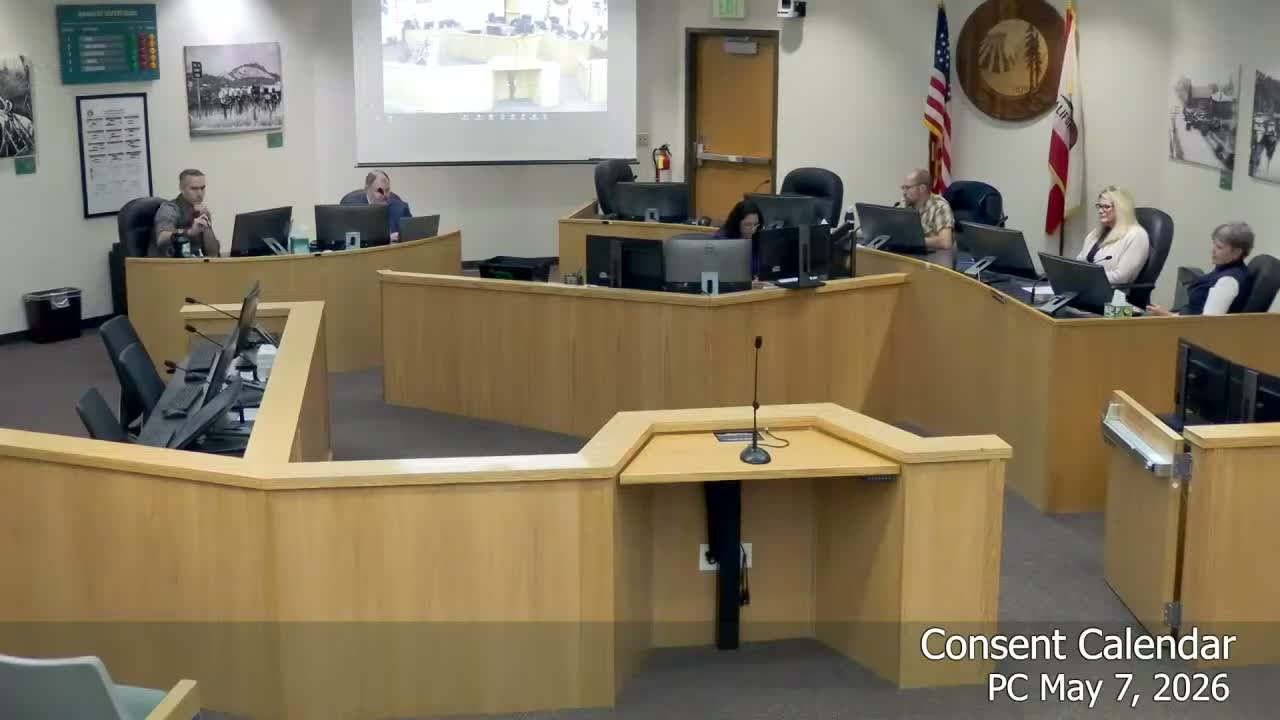
PlaceWorks consultants presented an overview of Mendocino County’s seventh‑cycle housing element and a companion environmental‑justice element at the Planning Commission’s May 7 meeting, laying out deadlines, new state requirements and an initial estimate of the county’s Regional Housing Needs Allocation (RHNA).
Cynthia Walsh, project manager for PlaceWorks, told commissioners the housing element is due Aug. 15, 2027, and emphasized the multistep review process required by the California Department of Housing and Community Development (HCD): an administrative draft, a 30‑day public review, an initial 90‑day state review, a short public response period and, typically, additional state review before certification. She said the county must plan for sites with adequate water and sewer capacity and that HCD will scrutinize both program implementation and the availability of sites.
Walsh described a newly recognized income band for this cycle—“acutely low” households earning about 15% or less of area median income—and gave an example that a four‑person household in Mendocino County at that level would earn roughly $14,000. She also said the unincorporated county’s draft RHNA share is roughly 3,690 units within a regional total presented in the draft allocation process.
Commissioners asked how the RHNA numbers translate into realistic sites. Commissioner Richards and Commissioner Johnson pressed consultants on whether the county’s site inventory includes sufficient land and how infrastructure constraints—particularly water and sewer—will be assessed. Russ Ford, senior planner, and Walsh said the housing element must include an inventory of sites and identify whether utilities are available or planned for those sites; if not, rezones may be required to reach the target, and the housing element must document planned infrastructure or mitigation measures.
Commissioner Marie Jones urged the housing element team to analyze the effect of vacation rentals on coastal affordability, saying there are “about 3,000 vacation rentals” in parts of the county and asking that the element include policies addressing their impact. Walsh and staff said they would incorporate local knowledge and consider policies or programs to respond to displacement and affordability concerns.
Public comment during the housing discussion included Valerie Stanley (Sherwood Valley Scribe), who asked how the plan will address school capacity for new families and how coastal solid‑waste services would handle increased housing demand. Staff noted those are issues they will consider during site and program analysis.
PlaceWorks and county staff said they plan two community meetings in the coming months, aim to submit the draft to HCD in November and will return chapters to the commission and board before final submittal. Next procedural steps include public review periods, HCD rounds of comment, and adoption hearings at the Planning Commission and Board of Supervisors before HCD certification.
The commission did not take a formal vote on the housing element at the May 7 meeting; the presentations and public input were advisory and intended to guide the draft and the county’s outreach.
Cynthia Walsh, project manager for PlaceWorks, told commissioners the housing element is due Aug. 15, 2027, and emphasized the multistep review process required by the California Department of Housing and Community Development (HCD): an administrative draft, a 30‑day public review, an initial 90‑day state review, a short public response period and, typically, additional state review before certification. She said the county must plan for sites with adequate water and sewer capacity and that HCD will scrutinize both program implementation and the availability of sites.
Walsh described a newly recognized income band for this cycle—“acutely low” households earning about 15% or less of area median income—and gave an example that a four‑person household in Mendocino County at that level would earn roughly $14,000. She also said the unincorporated county’s draft RHNA share is roughly 3,690 units within a regional total presented in the draft allocation process.
Commissioners asked how the RHNA numbers translate into realistic sites. Commissioner Richards and Commissioner Johnson pressed consultants on whether the county’s site inventory includes sufficient land and how infrastructure constraints—particularly water and sewer—will be assessed. Russ Ford, senior planner, and Walsh said the housing element must include an inventory of sites and identify whether utilities are available or planned for those sites; if not, rezones may be required to reach the target, and the housing element must document planned infrastructure or mitigation measures.
Commissioner Marie Jones urged the housing element team to analyze the effect of vacation rentals on coastal affordability, saying there are “about 3,000 vacation rentals” in parts of the county and asking that the element include policies addressing their impact. Walsh and staff said they would incorporate local knowledge and consider policies or programs to respond to displacement and affordability concerns.
Public comment during the housing discussion included Valerie Stanley (Sherwood Valley Scribe), who asked how the plan will address school capacity for new families and how coastal solid‑waste services would handle increased housing demand. Staff noted those are issues they will consider during site and program analysis.
PlaceWorks and county staff said they plan two community meetings in the coming months, aim to submit the draft to HCD in November and will return chapters to the commission and board before final submittal. Next procedural steps include public review periods, HCD rounds of comment, and adoption hearings at the Planning Commission and Board of Supervisors before HCD certification.
The commission did not take a formal vote on the housing element at the May 7 meeting; the presentations and public input were advisory and intended to guide the draft and the county’s outreach.
Don't Miss a Word: See the Full Meeting!
Go beyond summaries. Unlock every video, transcript, and key insight with a Founder Membership.
✓
Get instant access to full meeting videos
✓
Search and clip any phrase from complete transcripts
✓
Receive AI-powered summaries & custom alerts
✓
Enjoy lifetime, unrestricted access to government data
30-day money-back guarantee
