Providers warn Vermont lacks shelter capacity as Senate reviews H.938 funding plan
May 08, 2026 | Health & Welfare, SENATE, Committees, Legislative , Vermont
This article was created by AI summarizing key points discussed. AI makes mistakes, so for full details and context, please refer to the video of the full meeting. Please report any errors so we can fix them. Report an error »
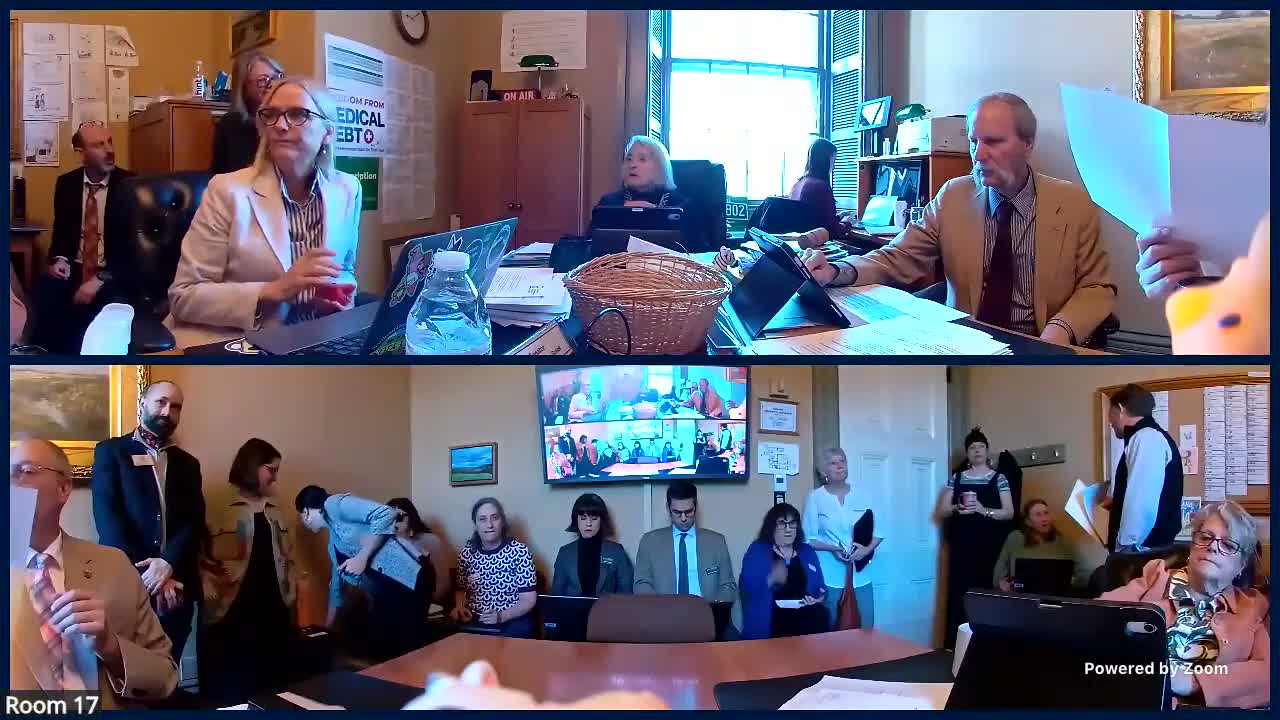
The Senate Health and Welfare Committee on May 7 heard lengthy testimony on H.938, a bill intended to coordinate Vermont’s homelessness response and expand housing and shelter capacity. Providers told lawmakers the proposal’s goals are necessary but that sequencing, funding and program design must match on‑the‑ground capacity.
Paul Braggon, executive director of the Champlain Valley Office of Economic Opportunity, told the committee that Vermont’s homelessness problem has grown dramatically over the past decade and that successful implementation will require aligning statutory expectations with actual regional shelter capacity, rental assistance, emergency beds, and staffing. “The scale of need in Vermont has changed dramatically over the past decade,” Braggon said, citing recent point‑in‑time counts and increased unsheltered populations in Chittenden County.
Julie Bonds, executive director of Good Samaritan Haven, urged flexibility in the bill’s language and warned against centralized case management and a strict three‑tier shelter model. “Having centralized case management services would be a major bottleneck to service delivery,” she said, arguing that localized, low‑barrier approaches with small caseloads produce better outcomes and that shelter funding models resembling clinical reimbursement could overwhelm providers.
Committee staff presented a spreadsheet breaking out the bill’s proposed funding: about $38.25 million in HOP grants plus additional federal and Global Commitment funds, for a total of roughly $39.3 million in identified HOP‑related spending. Line items discussed included shelter development (about $4.4M total across base and one‑time funds), emergency housing (about $23.9M), eligibility and staffing (about $3.1M), case management (base $2.4M), permanent family supportive housing, rental assistance, and emergency cold‑weather shelter grants.
Lily Soder, director of the Office of Economic Opportunity, explained the budget breakdown and noted that roughly two‑thirds of HOP funding supports emergency shelter operations. Soder said the agency is proposing specialized shelter capacity for recovery‑oriented and medically vulnerable guests and emphasized the role of coordinated entry, rental assistance and case management to move people into permanent housing.
Committee members pressed agency staff about reallocations and the potential impacts of cuts. Soder said reductions to permanent supportive housing would likely mean fewer service coordinators and the inability to expand certain pilot projects; she estimated that some cuts would equate to the loss of roughly one service coordinator and the supports for about a dozen families.
Next steps: The committee paused to take additional witnesses and review details; lawmakers said they will continue to balance shelter development, rental subsidies and support services in budget negotiations.
Paul Braggon, executive director of the Champlain Valley Office of Economic Opportunity, told the committee that Vermont’s homelessness problem has grown dramatically over the past decade and that successful implementation will require aligning statutory expectations with actual regional shelter capacity, rental assistance, emergency beds, and staffing. “The scale of need in Vermont has changed dramatically over the past decade,” Braggon said, citing recent point‑in‑time counts and increased unsheltered populations in Chittenden County.
Julie Bonds, executive director of Good Samaritan Haven, urged flexibility in the bill’s language and warned against centralized case management and a strict three‑tier shelter model. “Having centralized case management services would be a major bottleneck to service delivery,” she said, arguing that localized, low‑barrier approaches with small caseloads produce better outcomes and that shelter funding models resembling clinical reimbursement could overwhelm providers.
Committee staff presented a spreadsheet breaking out the bill’s proposed funding: about $38.25 million in HOP grants plus additional federal and Global Commitment funds, for a total of roughly $39.3 million in identified HOP‑related spending. Line items discussed included shelter development (about $4.4M total across base and one‑time funds), emergency housing (about $23.9M), eligibility and staffing (about $3.1M), case management (base $2.4M), permanent family supportive housing, rental assistance, and emergency cold‑weather shelter grants.
Lily Soder, director of the Office of Economic Opportunity, explained the budget breakdown and noted that roughly two‑thirds of HOP funding supports emergency shelter operations. Soder said the agency is proposing specialized shelter capacity for recovery‑oriented and medically vulnerable guests and emphasized the role of coordinated entry, rental assistance and case management to move people into permanent housing.
Committee members pressed agency staff about reallocations and the potential impacts of cuts. Soder said reductions to permanent supportive housing would likely mean fewer service coordinators and the inability to expand certain pilot projects; she estimated that some cuts would equate to the loss of roughly one service coordinator and the supports for about a dozen families.
Next steps: The committee paused to take additional witnesses and review details; lawmakers said they will continue to balance shelter development, rental subsidies and support services in budget negotiations.
View the Full Meeting & All Its Details
This article offers just a summary. Unlock complete video, transcripts, and insights as a Founder Member.
✓
Watch full, unedited meeting videos
✓
Search every word spoken in unlimited transcripts
✓
AI summaries & real-time alerts (all government levels)
✓
Permanent access to expanding government content
30-day money-back guarantee
