Pasco staff proposes code changes to regulate community residential homes, sparking debate over administrative reasonable‑accommodation approvals
May 07, 2026 | Pasco County, Florida
This article was created by AI summarizing key points discussed. AI makes mistakes, so for full details and context, please refer to the video of the full meeting. Please report any errors so we can fix them. Report an error »
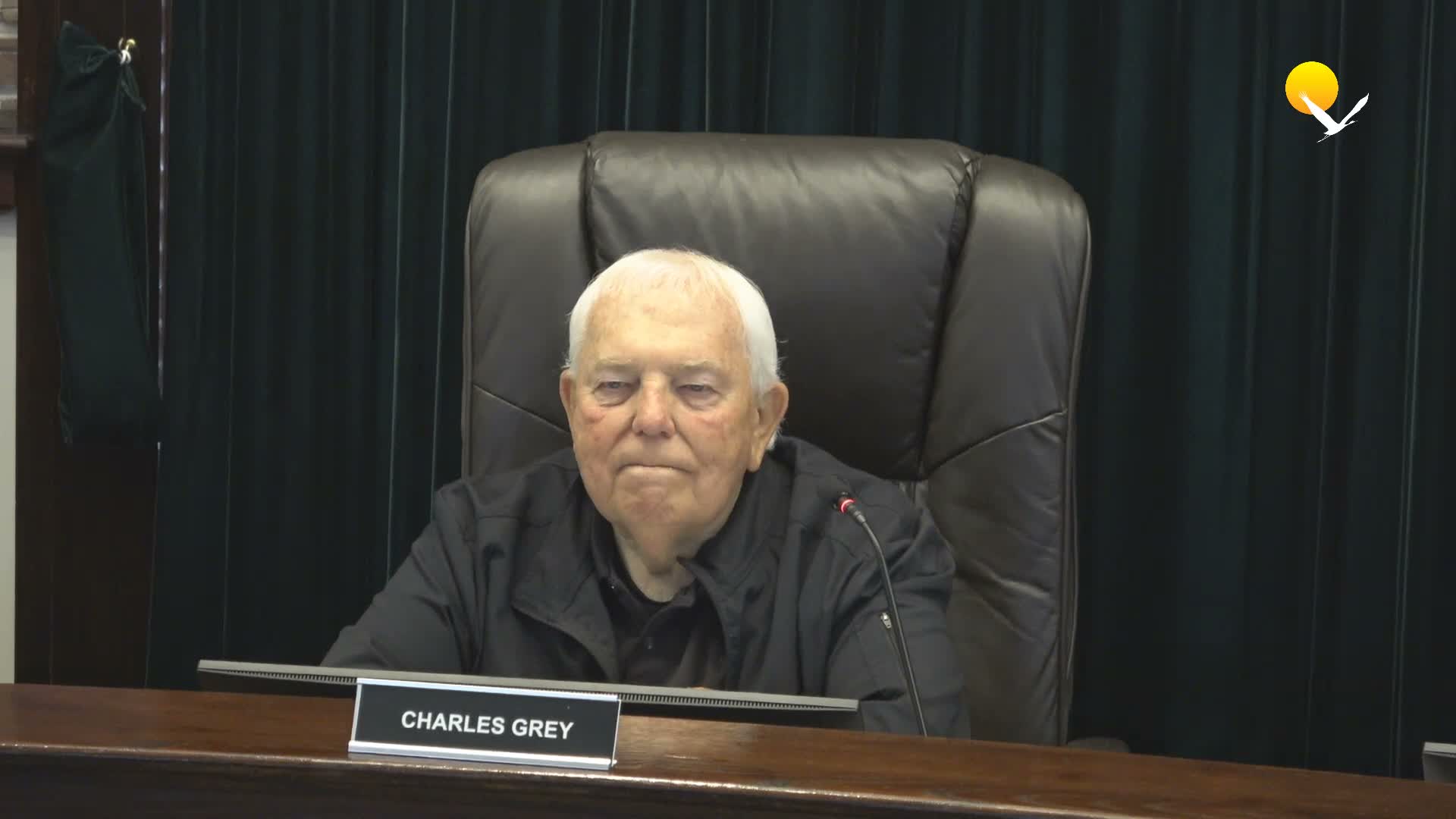
Pasco County planning staff presented a comprehensive Land Development Code amendment on April 22 to clarify rules for community residential homes, transitional residences and congregate living facilities, and to establish procedures for reasonable accommodations for people with disabilities, staff and counsel said.
Planning staff Vasilio Savopoulos told the Planning Commission the proposal revises definitions to align with state and federal law, distinguishing small community residential homes (1–6 residents) permitted by right from large homes (7–14 residents) proposed as conditional uses in single‑family districts, and creating separate categories for transitional community residences and congregate living facilities. The amendments also add licensing, spacing and occupancy standards and align use rules with Florida Statute 419.001, Savopoulos said.
The second portion of the proposal outlines procedures for reasonable accommodations. For operators of community residential homes, staff proposed variances or alternative standards as the vehicle for relief. For individuals, staff proposed a new Section 408 under which an individual can request a reasonable accommodation from the county administrator or designee; those administrative decisions would be appealable to the Planning Commission and are subject to the 60‑day statutory timelines called for in Florida Statute 397.487, staff said. Examples of accommodations discussed included spacing deviations, fencing height, parking reductions, ramps and, in rare cases, requests to permit animals not typically allowed in a zoning district.
Legal counsel Elizabeth Blair told commissioners the proposed criteria draw on HUD and Department of Justice guidance and involve a multi‑factor balancing test: an applicant must show the nexus between disability and the requested accommodation, while the county can deny a request only if it demonstrates undue financial or administrative burden or that granting the accommodation would fundamentally alter the zoning scheme — two denial grounds that have been litigated and require fact‑specific assessment, Blair said.
Commissioners pressed staff on the practical effects and frequency of requests, asking how staff would make determinations when requests involve unconventional animals (speakers used the example of a llama). Staff said reasonable accommodation requests have been uncommon (roughly four or five processed historically) and cited an example in which an alternative‑relief request to construct a roof over a dock for skin‑cancer protection was denied because alternative measures were available. Several commissioners expressed concern about placing initial decision authority with a single county administrator or designee, arguing that controversial or precedent‑setting requests should receive public scrutiny through a hearing process; staff said it would take direction from the commission on whether to route more decisions to a public hearing body.
Staff recommended accepting public comment and finding the proposed amendments consistent with the comprehensive plan; the transcript records Q&A and debate but no final vote on the ordinance during this meeting.
Planning staff Vasilio Savopoulos told the Planning Commission the proposal revises definitions to align with state and federal law, distinguishing small community residential homes (1–6 residents) permitted by right from large homes (7–14 residents) proposed as conditional uses in single‑family districts, and creating separate categories for transitional community residences and congregate living facilities. The amendments also add licensing, spacing and occupancy standards and align use rules with Florida Statute 419.001, Savopoulos said.
The second portion of the proposal outlines procedures for reasonable accommodations. For operators of community residential homes, staff proposed variances or alternative standards as the vehicle for relief. For individuals, staff proposed a new Section 408 under which an individual can request a reasonable accommodation from the county administrator or designee; those administrative decisions would be appealable to the Planning Commission and are subject to the 60‑day statutory timelines called for in Florida Statute 397.487, staff said. Examples of accommodations discussed included spacing deviations, fencing height, parking reductions, ramps and, in rare cases, requests to permit animals not typically allowed in a zoning district.
Legal counsel Elizabeth Blair told commissioners the proposed criteria draw on HUD and Department of Justice guidance and involve a multi‑factor balancing test: an applicant must show the nexus between disability and the requested accommodation, while the county can deny a request only if it demonstrates undue financial or administrative burden or that granting the accommodation would fundamentally alter the zoning scheme — two denial grounds that have been litigated and require fact‑specific assessment, Blair said.
Commissioners pressed staff on the practical effects and frequency of requests, asking how staff would make determinations when requests involve unconventional animals (speakers used the example of a llama). Staff said reasonable accommodation requests have been uncommon (roughly four or five processed historically) and cited an example in which an alternative‑relief request to construct a roof over a dock for skin‑cancer protection was denied because alternative measures were available. Several commissioners expressed concern about placing initial decision authority with a single county administrator or designee, arguing that controversial or precedent‑setting requests should receive public scrutiny through a hearing process; staff said it would take direction from the commission on whether to route more decisions to a public hearing body.
Staff recommended accepting public comment and finding the proposed amendments consistent with the comprehensive plan; the transcript records Q&A and debate but no final vote on the ordinance during this meeting.
View the Full Meeting & All Its Details
This article offers just a summary. Unlock complete video, transcripts, and insights as a Founder Member.
✓
Watch full, unedited meeting videos
✓
Search every word spoken in unlimited transcripts
✓
AI summaries & real-time alerts (all government levels)
✓
Permanent access to expanding government content
30-day money-back guarantee
