Senate subcommittee questions governor's plan to eliminate thousands of vacant state positions
May 07, 2026 | California State Senate, Senate, Legislative, California
This article was created by AI summarizing key points discussed. AI makes mistakes, so for full details and context, please refer to the video of the full meeting. Please report any errors so we can fix them. Report an error »
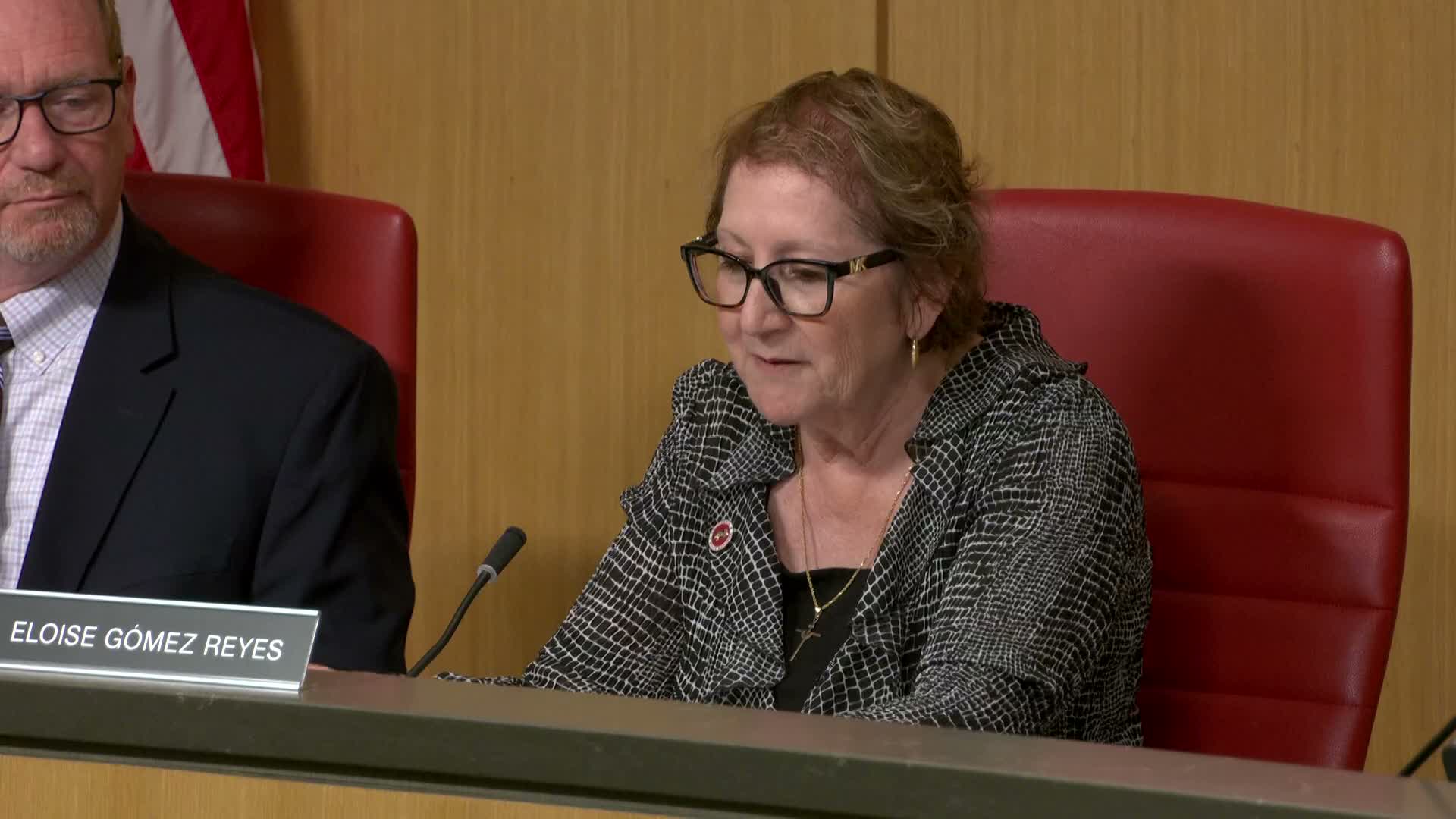
A Senate Budget Subcommittee hearing scrutinized the administration's proposal to eliminate thousands of vacant state positions, with the Legislative Analyst's Office and the Department of Finance laying out competing priorities and risks.
Sonia Peddick of the Legislative Analyst's Office told the panel that "at May revision last year, the governor had proposed eliminating 6,000 vacant positions across state departments." She said the final budget agreement effectively eliminated about 5,000 of those positions and left roughly 1,000 for review by the Joint Legislative Budget Committee, of which 650 were not concurred and remain under legislative consideration.
"These positions serve important functions," Peddick said, and urged the Legislature to retain positions funded by special funds at departments such as Fish and Wildlife, the State Water Resources Control Board, the Department of Pesticide Regulation, DTSC and CalRecycle because eliminating them would not reduce General Fund obligations and could delay implementation of recently chaptered laws.
Stephen Benson of the Department of Finance described the vacancy exercise as an attempt to capture recurring salary savings from long‑standing vacancies. Benson said roughly 40,000 positions remain vacant across the state on an annual basis and that the administration targeted about 50% of eligible vacancies in the exercise while allowing departments discretion and some exclusions, such as federal funds.
Committee members pressed officials on specific program impacts. Megan Hertel, director of the Department of Fish and Wildlife, and Deputy Director Dan Regan said the department's proposal to remove 164 positions would cut permitting and enforcement capacity and that roughly 87 of those positions were related to permitting. Hertel said the department was prioritizing remaining staff to "minimize permitting delays" but could not quantify exact timetable impacts.
State Parks representatives told the subcommittee their ranger academy seats are limited; Liz McGurk said the academy trains about 50 rangers a year, so vacancies can persist for years and the 15 Park Ranger positions proposed for elimination were chosen because they had historically been hard to fill.
Several senators asked whether retaining special‑funded positions (paid for by program fees) would meaningfully affect the General Fund. The LAO and Finance both noted that many of the disputed positions are special‑funded and that eliminating them would produce limited General Fund savings but could worsen program delivery or delay legally required activities.
Public commenters — including conservation groups, park and fisheries advocates, and water agencies — urged the committee to retain positions they described as central to public safety, permitting, oil‑spill prevention and habitat restoration.
The subcommittee did not vote; the chair said all items would be held open for future hearings and additional review.
Sonia Peddick of the Legislative Analyst's Office told the panel that "at May revision last year, the governor had proposed eliminating 6,000 vacant positions across state departments." She said the final budget agreement effectively eliminated about 5,000 of those positions and left roughly 1,000 for review by the Joint Legislative Budget Committee, of which 650 were not concurred and remain under legislative consideration.
"These positions serve important functions," Peddick said, and urged the Legislature to retain positions funded by special funds at departments such as Fish and Wildlife, the State Water Resources Control Board, the Department of Pesticide Regulation, DTSC and CalRecycle because eliminating them would not reduce General Fund obligations and could delay implementation of recently chaptered laws.
Stephen Benson of the Department of Finance described the vacancy exercise as an attempt to capture recurring salary savings from long‑standing vacancies. Benson said roughly 40,000 positions remain vacant across the state on an annual basis and that the administration targeted about 50% of eligible vacancies in the exercise while allowing departments discretion and some exclusions, such as federal funds.
Committee members pressed officials on specific program impacts. Megan Hertel, director of the Department of Fish and Wildlife, and Deputy Director Dan Regan said the department's proposal to remove 164 positions would cut permitting and enforcement capacity and that roughly 87 of those positions were related to permitting. Hertel said the department was prioritizing remaining staff to "minimize permitting delays" but could not quantify exact timetable impacts.
State Parks representatives told the subcommittee their ranger academy seats are limited; Liz McGurk said the academy trains about 50 rangers a year, so vacancies can persist for years and the 15 Park Ranger positions proposed for elimination were chosen because they had historically been hard to fill.
Several senators asked whether retaining special‑funded positions (paid for by program fees) would meaningfully affect the General Fund. The LAO and Finance both noted that many of the disputed positions are special‑funded and that eliminating them would produce limited General Fund savings but could worsen program delivery or delay legally required activities.
Public commenters — including conservation groups, park and fisheries advocates, and water agencies — urged the committee to retain positions they described as central to public safety, permitting, oil‑spill prevention and habitat restoration.
The subcommittee did not vote; the chair said all items would be held open for future hearings and additional review.
Don't Miss a Word: See the Full Meeting!
Go beyond summaries. Unlock every video, transcript, and key insight with a Founder Membership.
✓
Get instant access to full meeting videos
✓
Search and clip any phrase from complete transcripts
✓
Receive AI-powered summaries & custom alerts
✓
Enjoy lifetime, unrestricted access to government data
30-day money-back guarantee
