Father appeals juvenile‑court dismissal, arguing juvenile forum required despite concurrent probate proceedings
May 07, 2026 | Judicial - Appeals Court Oral Arguments, Judicial, Massachusetts
This article was created by AI summarizing key points discussed. AI makes mistakes, so for full details and context, please refer to the video of the full meeting. Please report any errors so we can fix them. Report an error »
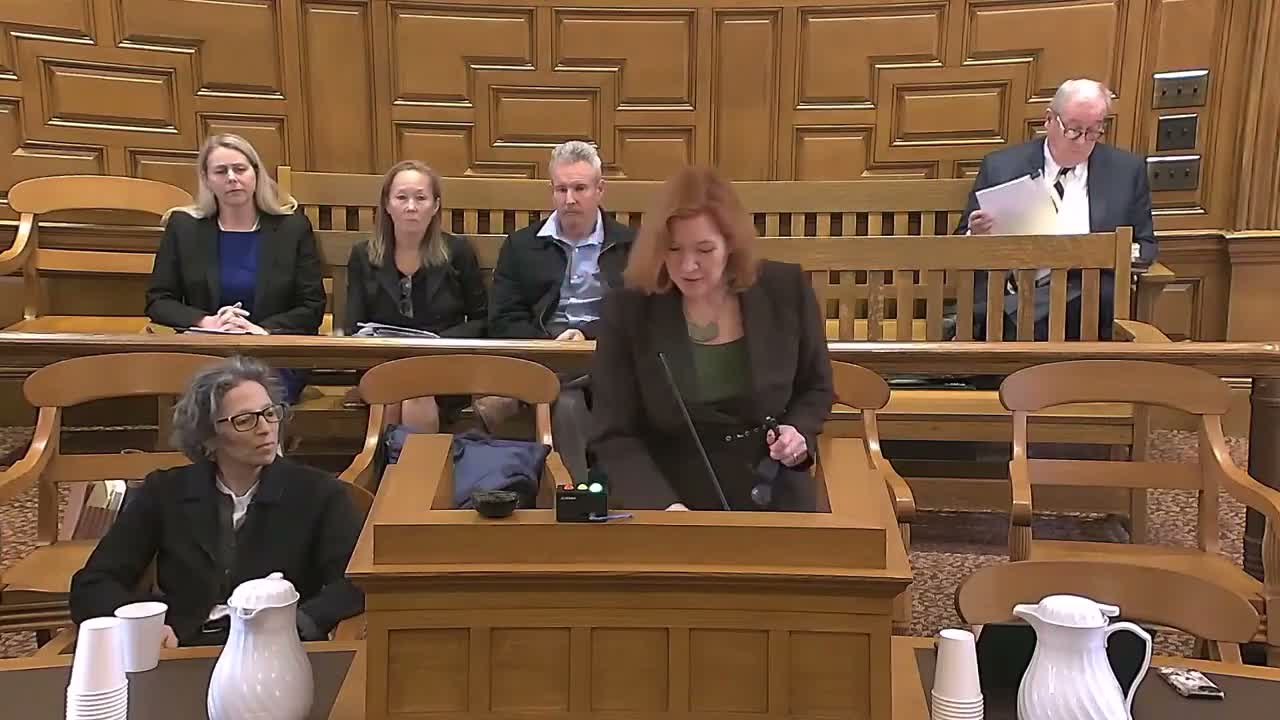
Counsel for the appellant father, Jennifer Lamanna, told the panel the juvenile court should have held a hearing on the §24 petition because the petition alleged recent injuries and imminent risk to the child; she said the father filed in juvenile court after he had been unable to obtain quicker relief in probate court and that the juvenile process provides appointed counsel, investigators, and expedited preliminary hearings.
Opposing counsel framed the facts differently: Cara Shayet for the mother characterized the filing as an attempt to use juvenile procedures to circumvent ongoing probate litigation and urged abuse‑of‑discretion review; Jeremy Bayless for the Department of Children and Families emphasized the separate competencies of probate and juvenile courts and argued the juvenile judge reasonably exercised discretion in the context of concurrent litigation. Child counsel Robert McCarthy stressed the child’s interest in stability and the juvenile judge’s decision to avoid dragging the child between two courtrooms.
What the court probed: The panel questioned statutory text (chapter 119 §§23 and 24) and practical consequences — whether a parent may file a §24 petition while an active probate custody proceeding exists, and whether the juvenile court is required to hold an evidentiary hearing once a petition issues. Counsel debated whether the filing constituted permissible emergency relief or forum shopping and whether the probate court’s prior activity foreclosed a juvenile preliminary hearing.
Outcome and next steps: The court took argument and left the matter under advisement; counsel split argument time among mother, DCF, and the child’s attorney, and the panel pressed for record‑based analysis rather than broad policy pronouncements.
Opposing counsel framed the facts differently: Cara Shayet for the mother characterized the filing as an attempt to use juvenile procedures to circumvent ongoing probate litigation and urged abuse‑of‑discretion review; Jeremy Bayless for the Department of Children and Families emphasized the separate competencies of probate and juvenile courts and argued the juvenile judge reasonably exercised discretion in the context of concurrent litigation. Child counsel Robert McCarthy stressed the child’s interest in stability and the juvenile judge’s decision to avoid dragging the child between two courtrooms.
What the court probed: The panel questioned statutory text (chapter 119 §§23 and 24) and practical consequences — whether a parent may file a §24 petition while an active probate custody proceeding exists, and whether the juvenile court is required to hold an evidentiary hearing once a petition issues. Counsel debated whether the filing constituted permissible emergency relief or forum shopping and whether the probate court’s prior activity foreclosed a juvenile preliminary hearing.
Outcome and next steps: The court took argument and left the matter under advisement; counsel split argument time among mother, DCF, and the child’s attorney, and the panel pressed for record‑based analysis rather than broad policy pronouncements.
View the Full Meeting & All Its Details
This article offers just a summary. Unlock complete video, transcripts, and insights as a Founder Member.
✓
Watch full, unedited meeting videos
✓
Search every word spoken in unlimited transcripts
✓
AI summaries & real-time alerts (all government levels)
✓
Permanent access to expanding government content
30-day money-back guarantee
