Pro se owner urges enforcement of recorded site plan and trusteeship; opposing counsel defends trial findings
May 07, 2026 | Judicial - Appeals Court Oral Arguments, Judicial, Massachusetts
This article was created by AI summarizing key points discussed. AI makes mistakes, so for full details and context, please refer to the video of the full meeting. Please report any errors so we can fix them. Report an error »
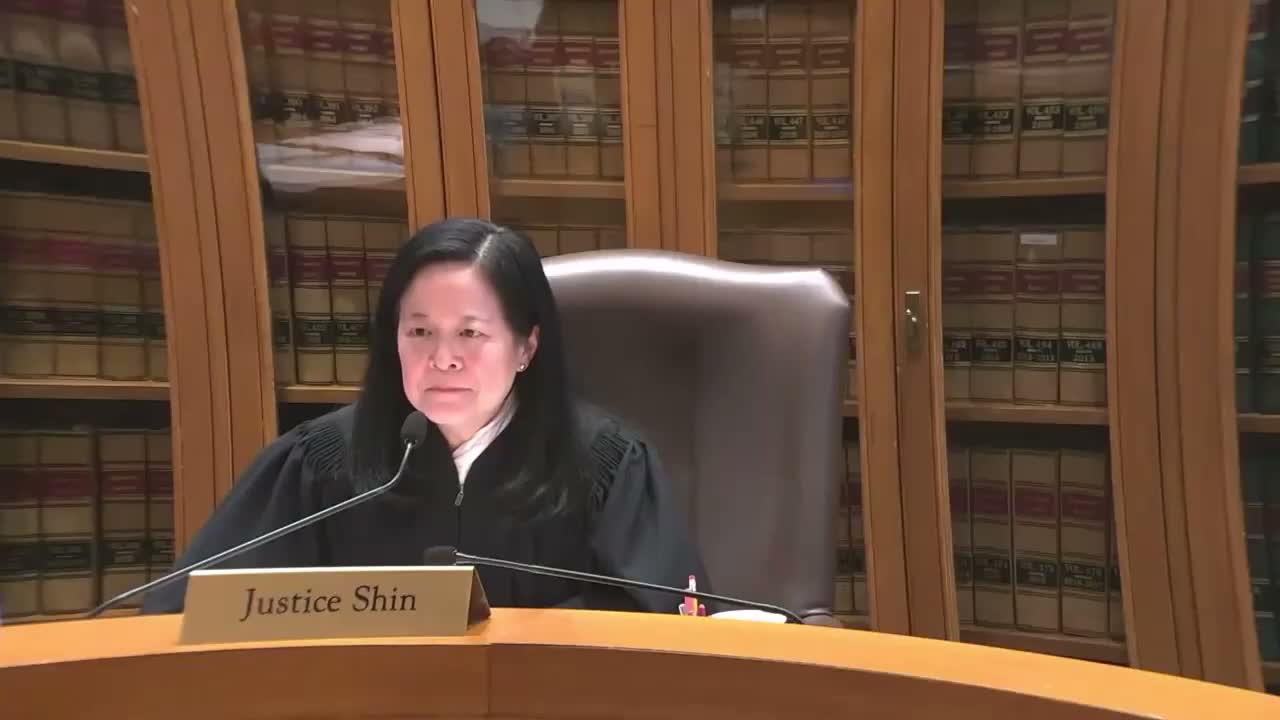
Barbara Hunt, appearing pro se, urged the panel to enforce recorded trust and condominium documents, arguing a licensed land surveyor’s site plan and the recorded documents control exclusive‑use areas and trustee duties. Hunt said the trial judge’s handling of an earlier proceeding (Judge Miller) and refusal to credit surveyor testimony produced erroneous findings; she asked the appeals court to provide a clear roadmap for small condominium trustees and to reverse rulings she says undermined her property rights.
Opposing counsel Kimberly Sweet for Nicholas and Lily Brink said the trial court’s findings were extensive, supported by evidence, and not clearly erroneous. Sweet emphasized res judicata effects from prior judgments (2012) and that Hunt repeatedly re‑litigated settled issues; she described a pattern of conduct the trial court judged to be a breach of fiduciary duty and said the lower court’s remedies, including removal as co‑trustee and attorney‑fee awards, were supported.
Panel focus: The court explored whether the recorded site plan or the master deed controls exclusive use areas, the evidentiary foundation for the trial judge’s findings, and the practical consequences of affirming or reversing the lower court’s factual determinations. The panel sought clarity on how an appellate court should resolve conflicting documentary and trial‑record evidence in a small two‑unit condominium context.
Status: Argument concluded and the case was submitted for decision.
Opposing counsel Kimberly Sweet for Nicholas and Lily Brink said the trial court’s findings were extensive, supported by evidence, and not clearly erroneous. Sweet emphasized res judicata effects from prior judgments (2012) and that Hunt repeatedly re‑litigated settled issues; she described a pattern of conduct the trial court judged to be a breach of fiduciary duty and said the lower court’s remedies, including removal as co‑trustee and attorney‑fee awards, were supported.
Panel focus: The court explored whether the recorded site plan or the master deed controls exclusive use areas, the evidentiary foundation for the trial judge’s findings, and the practical consequences of affirming or reversing the lower court’s factual determinations. The panel sought clarity on how an appellate court should resolve conflicting documentary and trial‑record evidence in a small two‑unit condominium context.
Status: Argument concluded and the case was submitted for decision.
Don't Miss a Word: See the Full Meeting!
Go beyond summaries. Unlock every video, transcript, and key insight with a Founder Membership.
✓
Get instant access to full meeting videos
✓
Search and clip any phrase from complete transcripts
✓
Receive AI-powered summaries & custom alerts
✓
Enjoy lifetime, unrestricted access to government data
30-day money-back guarantee
