House Education reviews Senate changes to H.0930 on chronic absenteeism, model policy and home-study study
May 07, 2026 | Education, HOUSE OF REPRESENTATIVES, Committees, Legislative , Vermont
This article was created by AI summarizing key points discussed. AI makes mistakes, so for full details and context, please refer to the video of the full meeting. Please report any errors so we can fix them. Report an error »
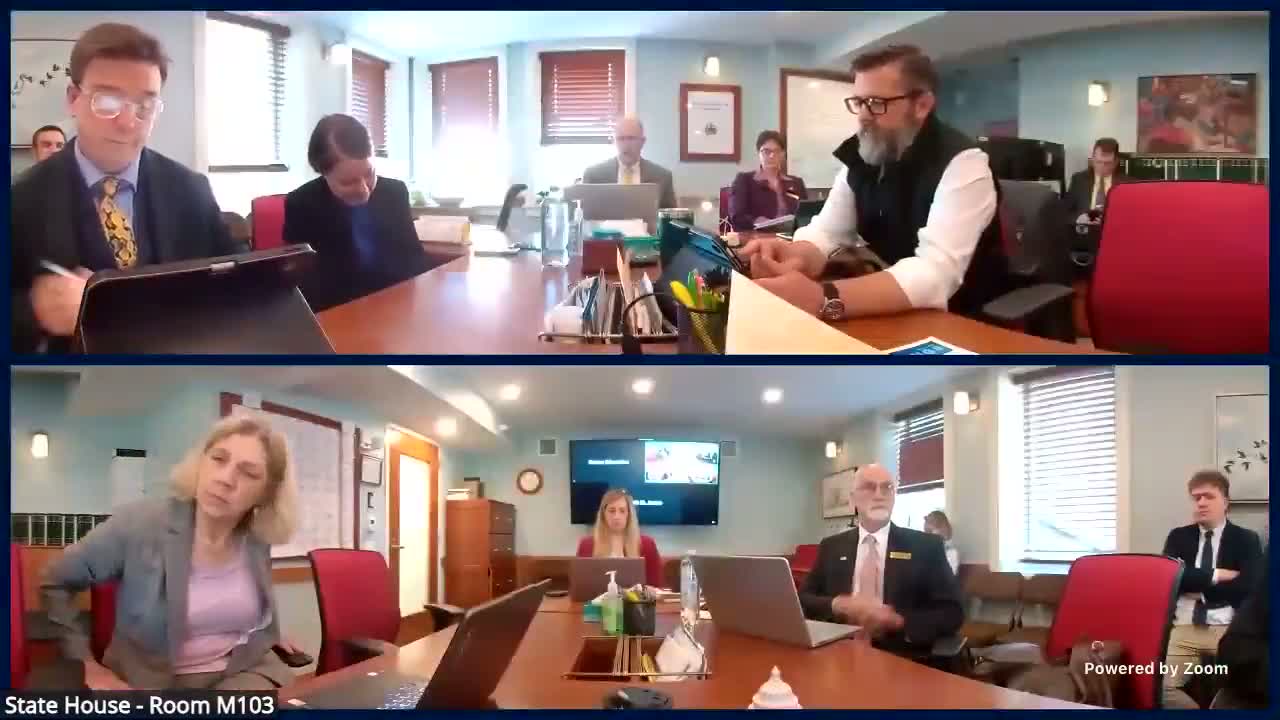
The House Education Committee on May 7 reviewed proposed Senate changes to H.0930 that add legislative findings on chronic absenteeism, shift detailed excused-absence rules into a model policy, and alter the scope of a home-study study.
James of the Office of Legislative Council walked the committee through draft 3.2, saying the Senate’s main additions include a findings section and intent language. "Chronic absenteeism is primarily an issue that should be addressed through preventative, restorative, and assistance based measures designed to identify barriers to attendance and reconnect students with school," James said, and he emphasized that the draft distinguishes chronic absenteeism from truancy, noting "truancy is distinct from chronic absenteeism" and should be treated as a legal enforcement mechanism only after school-based interventions have failed.
The chair raised concerns about whether findings should be supported by cited evidence. The chair said they were "curious" about findings that "aren't sort of backed up" and asked whether findings typically should cite statistics or reports. James replied that findings can take two forms: those citing studies and those reflecting committee testimony or the policymaker’s intent, and that it is ultimately the committee’s responsibility to provide any backup it wants incorporated.
Mark Gainey of the Vermont School Board Association told the committee the VSBA drafted much of the added language to clarify the difference between attendance problems and legal truancy. "We created this language just to show that the absenteeism is behavioral issue... and truancy is a legal issue," Gainey said, explaining the intent was to make clear how the two are handled differently under the rules.
On the substantive statutory changes, James explained the Senate removed the detailed statutory list of excused-absence reasons and instead requires the Agency of Education’s model policy to provide guidance about reasons a superintendent or head of school may excuse absences. The Senate also shifted templates and documentation from statutory policy text into accompanying model procedures and removed a House provision that directed an annual policy review, replacing it with a requirement to review the model policy at least every three years.
The Senate’s version also expands who the Agency of Education must consult when developing the model policy, adding the National Association of Social Workers, Vermont chapter; the office of state's attorneys and sheriffs; and the Department for Children and Families, James said. He noted both chambers continue to ask the Agency of Education to submit a written report on home-study law updates on or before Dec. 1, but the Senate removed language that would have tied that study specifically to oversight and compliance with attendance requirements.
Committee members discussed next steps: the panel can concur with the Senate changes, propose further amendments, or request a conference committee. One member suggested relaying a minor wording change (for example, replacing the word "produce") to Senate colleagues on the floor; the chair said members could raise such edits with their senators but did not object to moving forward. The committee also scheduled follow-up work: the Agency of Education is expected to provide legal feedback and recommendations at a later meeting, and staff will coordinate a possible field visit.
The committee did not take a formal vote during the session; members left options open for concurrence, amendment or conference committee depending on any additional changes from the Senate.
James of the Office of Legislative Council walked the committee through draft 3.2, saying the Senate’s main additions include a findings section and intent language. "Chronic absenteeism is primarily an issue that should be addressed through preventative, restorative, and assistance based measures designed to identify barriers to attendance and reconnect students with school," James said, and he emphasized that the draft distinguishes chronic absenteeism from truancy, noting "truancy is distinct from chronic absenteeism" and should be treated as a legal enforcement mechanism only after school-based interventions have failed.
The chair raised concerns about whether findings should be supported by cited evidence. The chair said they were "curious" about findings that "aren't sort of backed up" and asked whether findings typically should cite statistics or reports. James replied that findings can take two forms: those citing studies and those reflecting committee testimony or the policymaker’s intent, and that it is ultimately the committee’s responsibility to provide any backup it wants incorporated.
Mark Gainey of the Vermont School Board Association told the committee the VSBA drafted much of the added language to clarify the difference between attendance problems and legal truancy. "We created this language just to show that the absenteeism is behavioral issue... and truancy is a legal issue," Gainey said, explaining the intent was to make clear how the two are handled differently under the rules.
On the substantive statutory changes, James explained the Senate removed the detailed statutory list of excused-absence reasons and instead requires the Agency of Education’s model policy to provide guidance about reasons a superintendent or head of school may excuse absences. The Senate also shifted templates and documentation from statutory policy text into accompanying model procedures and removed a House provision that directed an annual policy review, replacing it with a requirement to review the model policy at least every three years.
The Senate’s version also expands who the Agency of Education must consult when developing the model policy, adding the National Association of Social Workers, Vermont chapter; the office of state's attorneys and sheriffs; and the Department for Children and Families, James said. He noted both chambers continue to ask the Agency of Education to submit a written report on home-study law updates on or before Dec. 1, but the Senate removed language that would have tied that study specifically to oversight and compliance with attendance requirements.
Committee members discussed next steps: the panel can concur with the Senate changes, propose further amendments, or request a conference committee. One member suggested relaying a minor wording change (for example, replacing the word "produce") to Senate colleagues on the floor; the chair said members could raise such edits with their senators but did not object to moving forward. The committee also scheduled follow-up work: the Agency of Education is expected to provide legal feedback and recommendations at a later meeting, and staff will coordinate a possible field visit.
The committee did not take a formal vote during the session; members left options open for concurrence, amendment or conference committee depending on any additional changes from the Senate.
View the Full Meeting & All Its Details
This article offers just a summary. Unlock complete video, transcripts, and insights as a Founder Member.
✓
Watch full, unedited meeting videos
✓
Search every word spoken in unlimited transcripts
✓
AI summaries & real-time alerts (all government levels)
✓
Permanent access to expanding government content
30-day money-back guarantee
