Miami‑Dade commissioner offers neuroinclusion toolkit as Pembroke Pines wins autism‑friendly designation
May 07, 2026 | Pembroke Pines, Broward County, Florida
This article was created by AI summarizing key points discussed. AI makes mistakes, so for full details and context, please refer to the video of the full meeting. Please report any errors so we can fix them. Report an error »
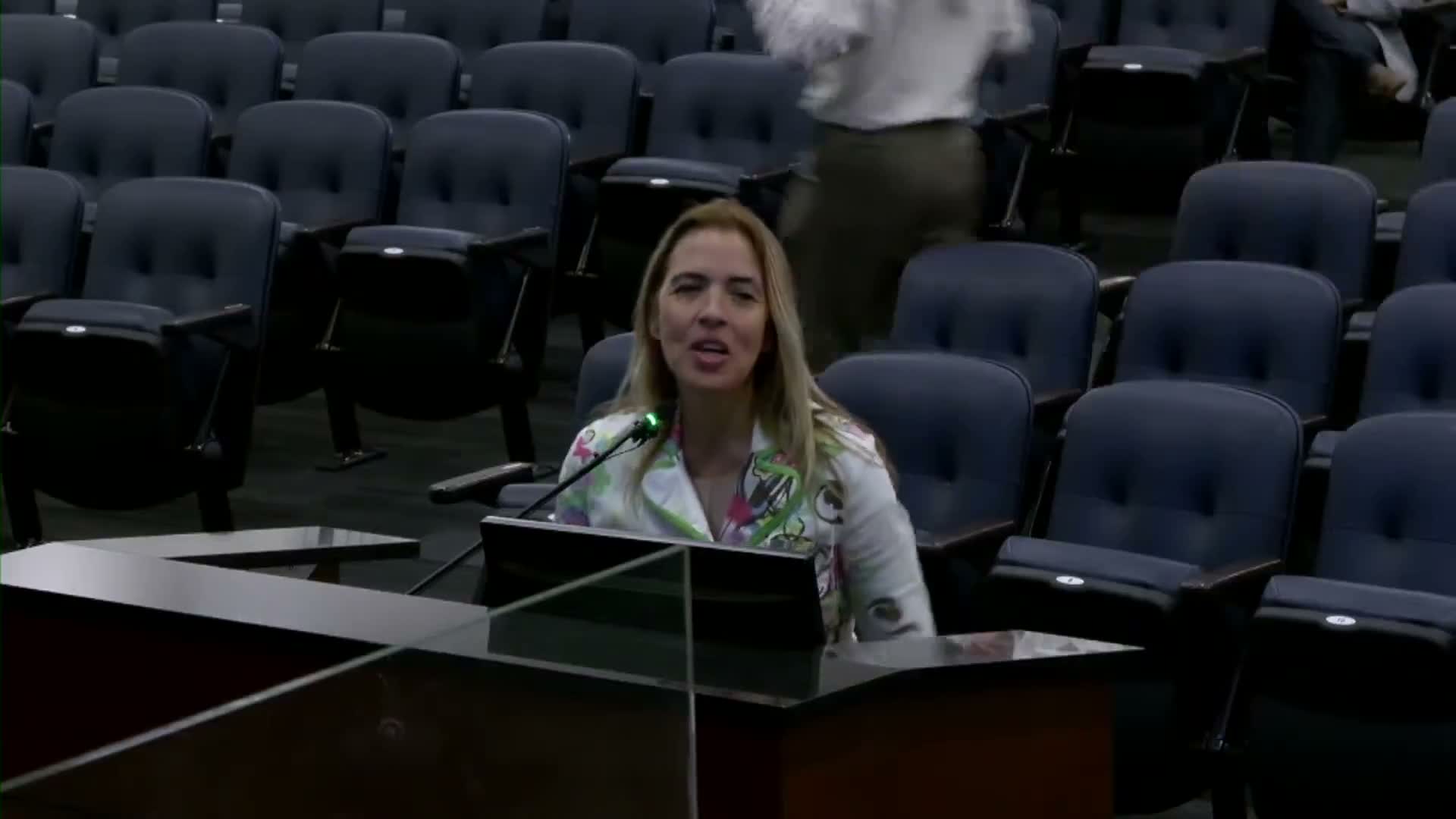
Miami‑Dade County Commissioner Raquel Regalado presented a regional 'neuroinclusion' toolkit to the Pembroke Pines City Commission on May 6, outlining low‑cost steps cities can adopt to make services and public spaces more accessible for neurodivergent residents.
Regalado, who said she is the mother of two neurodivergent adults, described programs Miami‑Dade has piloted and sustained, including sensory‑friendly hours at events, social stories and sensory rooms at the county fair, airport dress rehearsals (MIA AIR), sunflower lanyards for invisible disabilities, decal/registration systems tied into 911, and regular trainings for police, firefighters and transit staff. She distributed a QR code linking to the toolkit and associated legislation and data.
"Neurodiversity is having a moment," Regalado told the commission. She urged local governments to embed small changes into existing systems and highlighted training that she said cost little but produced measurable results — for example, first‑responder training and decal information that helped reduce unnecessary Baker Act placements.
Assistant City Manager Christina Golding confirmed Pembroke Pines has taken first steps: staff are pursuing an inclusion playground at Silver Lakes North, have an autism‑friendly designation for the parks system and are developing an interactive project map on the city's strategic plan webpage.
Commissioners pressed on specifics: how adult programming can be expanded beyond age 22, how to use county tools locally, and whether the county model (tax‑collector neuroinclusion days, 911‑linked decals) could be integrated in Broward. Regalado and staff discussed partnerships with local libraries, transit agencies and the sheriff's office.
Why it matters: Regalado framed neuroinclusion as a systems change that can increase access to government services, reduce crisis incidents, and improve quality of life for a substantial portion of residents. Pembroke Pines officials said the materials will inform city programming and training priorities.
Sources: Remarks by Commissioner Raquel Regalado and Assistant City Manager Christina Golding at the May 6 meeting; distributed toolkit QR code and presentation materials.
Regalado, who said she is the mother of two neurodivergent adults, described programs Miami‑Dade has piloted and sustained, including sensory‑friendly hours at events, social stories and sensory rooms at the county fair, airport dress rehearsals (MIA AIR), sunflower lanyards for invisible disabilities, decal/registration systems tied into 911, and regular trainings for police, firefighters and transit staff. She distributed a QR code linking to the toolkit and associated legislation and data.
"Neurodiversity is having a moment," Regalado told the commission. She urged local governments to embed small changes into existing systems and highlighted training that she said cost little but produced measurable results — for example, first‑responder training and decal information that helped reduce unnecessary Baker Act placements.
Assistant City Manager Christina Golding confirmed Pembroke Pines has taken first steps: staff are pursuing an inclusion playground at Silver Lakes North, have an autism‑friendly designation for the parks system and are developing an interactive project map on the city's strategic plan webpage.
Commissioners pressed on specifics: how adult programming can be expanded beyond age 22, how to use county tools locally, and whether the county model (tax‑collector neuroinclusion days, 911‑linked decals) could be integrated in Broward. Regalado and staff discussed partnerships with local libraries, transit agencies and the sheriff's office.
Why it matters: Regalado framed neuroinclusion as a systems change that can increase access to government services, reduce crisis incidents, and improve quality of life for a substantial portion of residents. Pembroke Pines officials said the materials will inform city programming and training priorities.
Sources: Remarks by Commissioner Raquel Regalado and Assistant City Manager Christina Golding at the May 6 meeting; distributed toolkit QR code and presentation materials.
View the Full Meeting & All Its Details
This article offers just a summary. Unlock complete video, transcripts, and insights as a Founder Member.
✓
Watch full, unedited meeting videos
✓
Search every word spoken in unlimited transcripts
✓
AI summaries & real-time alerts (all government levels)
✓
Permanent access to expanding government content
30-day money-back guarantee
