Alexandra, CORE navigator, urges hands-on support for fire survivors
May 07, 2026 | California Volunteers, Agencies under Office of the Governor, Executive, California
This article was created by AI summarizing key points discussed. AI makes mistakes, so for full details and context, please refer to the video of the full meeting. Please report any errors so we can fix them. Report an error »
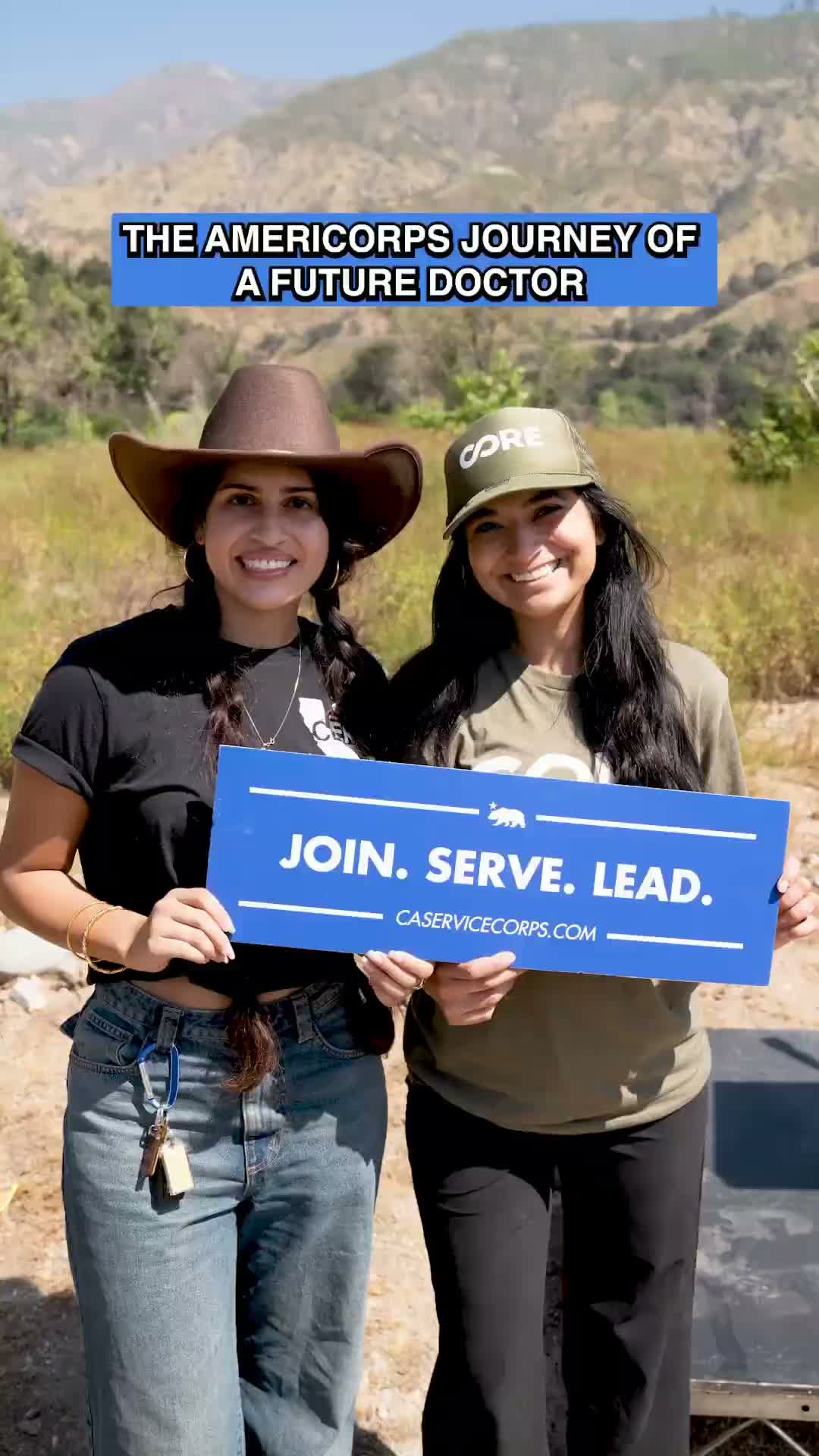
Alexandra, a community resource navigator with CORE, told attendees she works one-on-one with fire survivors in Altadena and the Pacific Palisades, connecting them to resources to aid recovery.
She said she is part of CORE’s disaster case management team and described assisting survivors directly: "I assist them as a community resource navigator, working 1 on 1 with fire survivors from Altadena or the Pacific Palisades and then connecting them with resources to aid them during the recovery process." Alexandra said the hands-on work informs her long-term goals; she graduated from Cornell, where she majored in human biology, health and society, and plans to enter medicine as a physician.
Explaining why she chose a year of service, Alexandra said the experience helps develop empathy and adaptability important for a service-oriented career: "When I graduated college, I wanted to dedicate a year of service because the field that I wanna enter is service oriented." She argued that effective service requires close engagement with affected people, not treating them as case files: "If you want to help a community, you have to be with the community. It's very easy to see people as a case or just some data on a piece of paper, but everybody has their own story."
Her remarks emphasized a community-centered approach to disaster recovery and the role of direct service in shaping future health professionals. No formal action or vote was recorded in the transcript.
She said she is part of CORE’s disaster case management team and described assisting survivors directly: "I assist them as a community resource navigator, working 1 on 1 with fire survivors from Altadena or the Pacific Palisades and then connecting them with resources to aid them during the recovery process." Alexandra said the hands-on work informs her long-term goals; she graduated from Cornell, where she majored in human biology, health and society, and plans to enter medicine as a physician.
Explaining why she chose a year of service, Alexandra said the experience helps develop empathy and adaptability important for a service-oriented career: "When I graduated college, I wanted to dedicate a year of service because the field that I wanna enter is service oriented." She argued that effective service requires close engagement with affected people, not treating them as case files: "If you want to help a community, you have to be with the community. It's very easy to see people as a case or just some data on a piece of paper, but everybody has their own story."
Her remarks emphasized a community-centered approach to disaster recovery and the role of direct service in shaping future health professionals. No formal action or vote was recorded in the transcript.
Don't Miss a Word: See the Full Meeting!
Go beyond summaries. Unlock every video, transcript, and key insight with a Founder Membership.
✓
Get instant access to full meeting videos
✓
Search and clip any phrase from complete transcripts
✓
Receive AI-powered summaries & custom alerts
✓
Enjoy lifetime, unrestricted access to government data
30-day money-back guarantee
