Red Bank plans to trim Dayton Boulevard to three lanes to improve safety and make room for park projects
May 07, 2026 | Red Bank, Hamilton County, Tennessee
This article was created by AI summarizing key points discussed. AI makes mistakes, so for full details and context, please refer to the video of the full meeting. Please report any errors so we can fix them. Report an error »
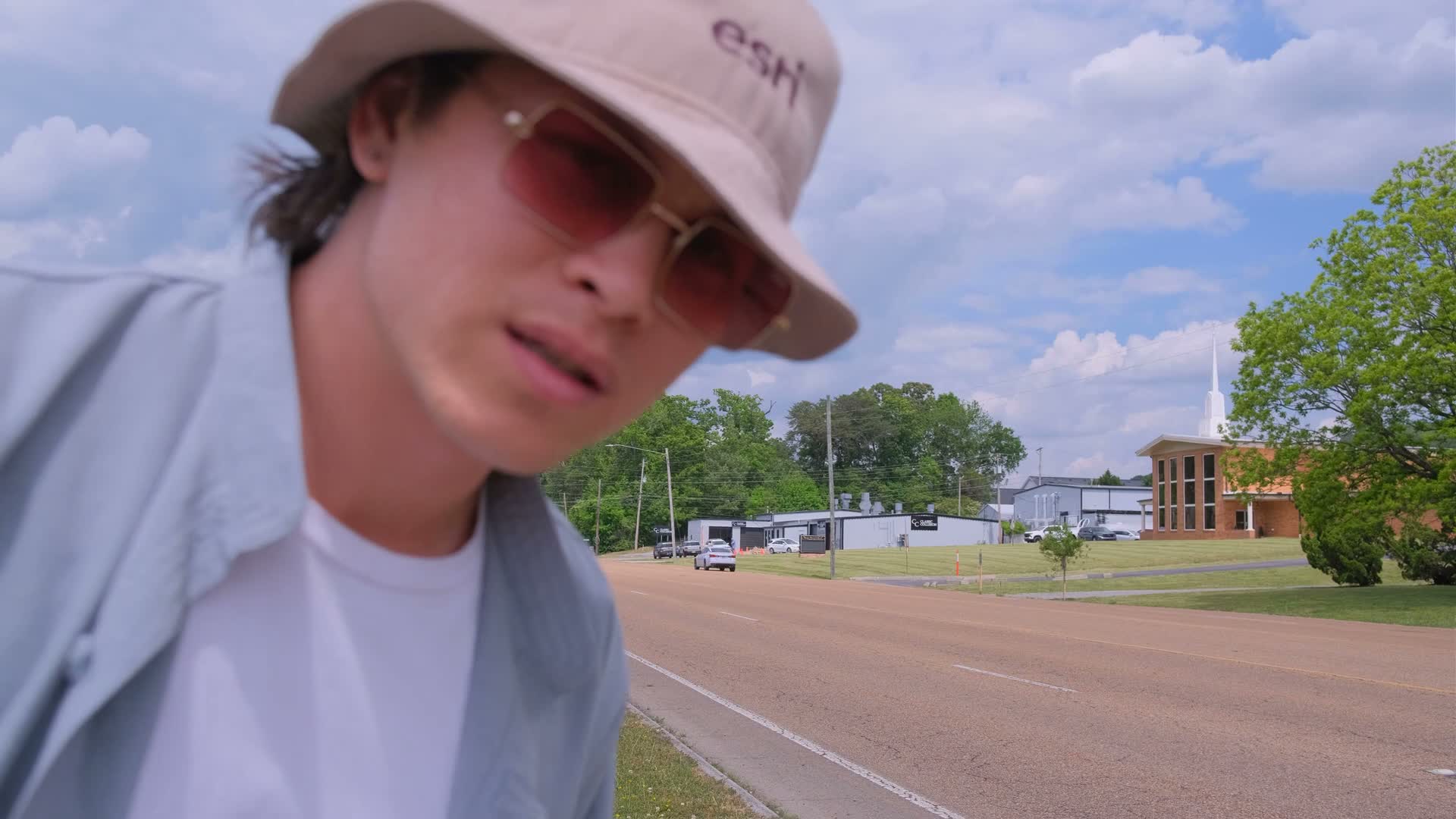
A city presenter outlined plans to mill and resurface Dayton Boulevard and reconfigure a variable five-/four-lane stretch into a consistent three-lane roadway to improve safety and enable future park and active-transportation features, officials said.
Jeff Grabe, parks and rec manager, told the meeting that "part of the parks and rec mission is giving people access to safe, enjoyable outdoor recreation" and that redesigning the road presents an opportunity to "integrate that mission into the resurfacing." Gregory Tate, director of public works, described the engineering scope: "So these are the final plans drawn by Volkert Engineering, and Wright Brothers will be milling the existing road. They will pave with new asphalt and new striping with thermoplastic." Tate said the plans reduce sections currently at times five or four lanes down "to a simple and consistent 3 lane road: 1 lane going north, 1 lane going south, and a middle turning lane between the distance of Browntown Road and Gadd Road, across State Boulevard."
The presenter framed the redesign as both a fiscal and safety question, noting historical traffic counts. He said state traffic data show the northern section of Dayton Boulevard carried "almost 17,000 cars per day" late in the 20th century and that "today, this northern section of Dayton serves about 5,000 cars per day." Using an "ice cream shop" analogy, the presenter urged officials to consider whether a roadway sized for 17,000 daily vehicles remains the best use of public space when it now accommodates far fewer cars.
Officials also cited public-health and equity reasons for the change. The presenter invoked the U.S. Department of Transportation's top strategic goal of safety and said the corridor's census tract shows higher prevalence of asthma, high blood pressure and diabetes, plus concentrations of older adults and households with no vehicles, arguing that design choices could mitigate health vulnerabilities.
Project details presented at the meeting say Volkert Engineering prepared the final plans; contractor Wright Brothers will mill and repave; thermoplastic striping will be used; and the reconfiguration applies between Browntown Road and Gadd Road across State Boulevard. Officials described the resurfacing phase as "phase 1" that could be followed by projects to add sidewalks, traffic buffers, stormwater infrastructure and landscaping to support park access and safer walking and cycling.
The presenter also reviewed local history and jurisdictional context, saying that Red Bank grew to about 14,886 people by 1978 and that in 1981 "ordinance number 426" transferred the old US 27 to the city when the new State Route 27 was built to the west. Officials noted the statewide project finished around 1990, after which traffic volumes on the northern Dayton section decreased.
No formal vote or ordinance adoption was recorded in the transcript. Officials described plans as final and named the firms and elements of construction, but the meeting did not include a recorded decision on construction timing, funding breakdowns, or an implementation schedule.
Officials said the resurfacing is intended to make the corridor safer and more compatible with future park amenities; further phases for sidewalks, buffers and stormwater treatment remain subject to later planning and funding.
Jeff Grabe, parks and rec manager, told the meeting that "part of the parks and rec mission is giving people access to safe, enjoyable outdoor recreation" and that redesigning the road presents an opportunity to "integrate that mission into the resurfacing." Gregory Tate, director of public works, described the engineering scope: "So these are the final plans drawn by Volkert Engineering, and Wright Brothers will be milling the existing road. They will pave with new asphalt and new striping with thermoplastic." Tate said the plans reduce sections currently at times five or four lanes down "to a simple and consistent 3 lane road: 1 lane going north, 1 lane going south, and a middle turning lane between the distance of Browntown Road and Gadd Road, across State Boulevard."
The presenter framed the redesign as both a fiscal and safety question, noting historical traffic counts. He said state traffic data show the northern section of Dayton Boulevard carried "almost 17,000 cars per day" late in the 20th century and that "today, this northern section of Dayton serves about 5,000 cars per day." Using an "ice cream shop" analogy, the presenter urged officials to consider whether a roadway sized for 17,000 daily vehicles remains the best use of public space when it now accommodates far fewer cars.
Officials also cited public-health and equity reasons for the change. The presenter invoked the U.S. Department of Transportation's top strategic goal of safety and said the corridor's census tract shows higher prevalence of asthma, high blood pressure and diabetes, plus concentrations of older adults and households with no vehicles, arguing that design choices could mitigate health vulnerabilities.
Project details presented at the meeting say Volkert Engineering prepared the final plans; contractor Wright Brothers will mill and repave; thermoplastic striping will be used; and the reconfiguration applies between Browntown Road and Gadd Road across State Boulevard. Officials described the resurfacing phase as "phase 1" that could be followed by projects to add sidewalks, traffic buffers, stormwater infrastructure and landscaping to support park access and safer walking and cycling.
The presenter also reviewed local history and jurisdictional context, saying that Red Bank grew to about 14,886 people by 1978 and that in 1981 "ordinance number 426" transferred the old US 27 to the city when the new State Route 27 was built to the west. Officials noted the statewide project finished around 1990, after which traffic volumes on the northern Dayton section decreased.
No formal vote or ordinance adoption was recorded in the transcript. Officials described plans as final and named the firms and elements of construction, but the meeting did not include a recorded decision on construction timing, funding breakdowns, or an implementation schedule.
Officials said the resurfacing is intended to make the corridor safer and more compatible with future park amenities; further phases for sidewalks, buffers and stormwater treatment remain subject to later planning and funding.
View the Full Meeting & All Its Details
This article offers just a summary. Unlock complete video, transcripts, and insights as a Founder Member.
✓
Watch full, unedited meeting videos
✓
Search every word spoken in unlimited transcripts
✓
AI summaries & real-time alerts (all government levels)
✓
Permanent access to expanding government content
30-day money-back guarantee
