LaSalle County officials debate data‑center moratoriums, water use and disclosure concerns
May 07, 2026 | LaSalle County, Illinois
This article was created by AI summarizing key points discussed. AI makes mistakes, so for full details and context, please refer to the video of the full meeting. Please report any errors so we can fix them. Report an error »
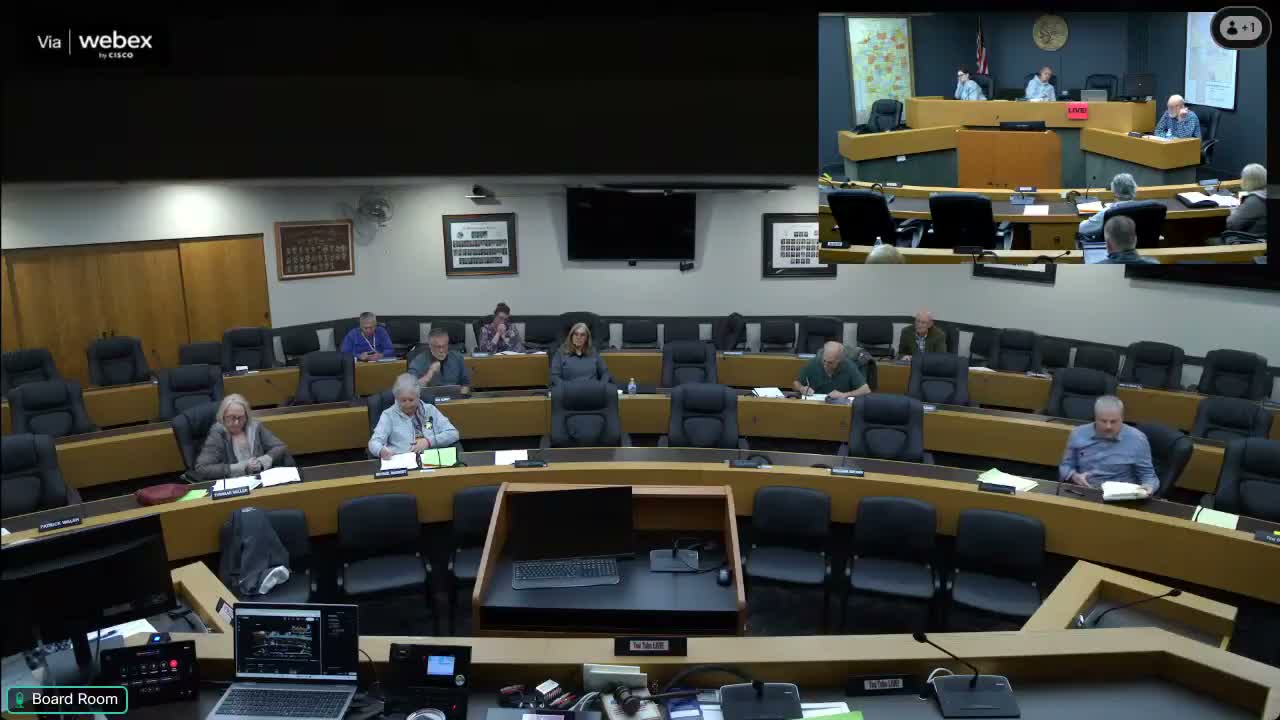
The LaSalle County Land Use Committee spent a substantial portion of its May 6 meeting discussing data centers, zoning options and potential restrictions on water and power use as private proposals and state legislation advance.
Chair Doug Stackley summarized outreach to nearby counties and municipalities, reporting that Ottawa has enacted a two‑month (reported as two of six months elapsed) moratorium on data‑center permits while most neighboring counties had not adopted moratoria. Staff said they had requested ordinances and were exploring regulatory options including overlay zoning, special‑use conditions and a requirement that applicants provide water‑use and power plans as part of any application.
Don Jensen and other members said water use, power contracts and nondisclosure agreements with electrical providers are key concerns. "It would be beneficial or appropriate to have restrictions based upon water usage and power use," Jensen said, urging that both be part of developers' presentations so the Zoning Board of Appeals and county board can make informed decisions.
Members discussed a 2016 county water study referenced by staff and suggested adding a Water Use Effectiveness (WUE) metric to draft ordinance language, and they asked staff to follow up on state legislation (referred to at the meeting as the "Power Bill") that could change local authority over energy and permitting. Several members also noted difficulty obtaining community benefit agreement (CBA) documentation from other jurisdictions; one participant said a county treating CBAs as nondisclosable had prevented FOIA access in a neighboring county.
Public sentiment and informal constituent feedback were mixed: some members reported constituent calls seeking a countywide moratorium, while others said more detailed ordinance language (overlay zoning and special‑use conditions) could provide safeguards without a blanket ban. No formal moratorium motion was filed at the meeting; staff were directed to continue research, pursue sample ordinances, evaluate a WUE standard and consult with legal counsel before presenting draft language.
Next steps: County staff will follow up with sample ordinances from other counties, pursue a water study or WUE metrics if appropriate, and return with draft language for committee review.
Chair Doug Stackley summarized outreach to nearby counties and municipalities, reporting that Ottawa has enacted a two‑month (reported as two of six months elapsed) moratorium on data‑center permits while most neighboring counties had not adopted moratoria. Staff said they had requested ordinances and were exploring regulatory options including overlay zoning, special‑use conditions and a requirement that applicants provide water‑use and power plans as part of any application.
Don Jensen and other members said water use, power contracts and nondisclosure agreements with electrical providers are key concerns. "It would be beneficial or appropriate to have restrictions based upon water usage and power use," Jensen said, urging that both be part of developers' presentations so the Zoning Board of Appeals and county board can make informed decisions.
Members discussed a 2016 county water study referenced by staff and suggested adding a Water Use Effectiveness (WUE) metric to draft ordinance language, and they asked staff to follow up on state legislation (referred to at the meeting as the "Power Bill") that could change local authority over energy and permitting. Several members also noted difficulty obtaining community benefit agreement (CBA) documentation from other jurisdictions; one participant said a county treating CBAs as nondisclosable had prevented FOIA access in a neighboring county.
Public sentiment and informal constituent feedback were mixed: some members reported constituent calls seeking a countywide moratorium, while others said more detailed ordinance language (overlay zoning and special‑use conditions) could provide safeguards without a blanket ban. No formal moratorium motion was filed at the meeting; staff were directed to continue research, pursue sample ordinances, evaluate a WUE standard and consult with legal counsel before presenting draft language.
Next steps: County staff will follow up with sample ordinances from other counties, pursue a water study or WUE metrics if appropriate, and return with draft language for committee review.
Don't Miss a Word: See the Full Meeting!
Go beyond summaries. Unlock every video, transcript, and key insight with a Founder Membership.
✓
Get instant access to full meeting videos
✓
Search and clip any phrase from complete transcripts
✓
Receive AI-powered summaries & custom alerts
✓
Enjoy lifetime, unrestricted access to government data
30-day money-back guarantee
