Public commenter warns parental-consent clause could impede mandated reporting
May 06, 2026 | Upper Adams SD, School Districts, Pennsylvania
This article was created by AI summarizing key points discussed. AI makes mistakes, so for full details and context, please refer to the video of the full meeting. Please report any errors so we can fix them. Report an error »
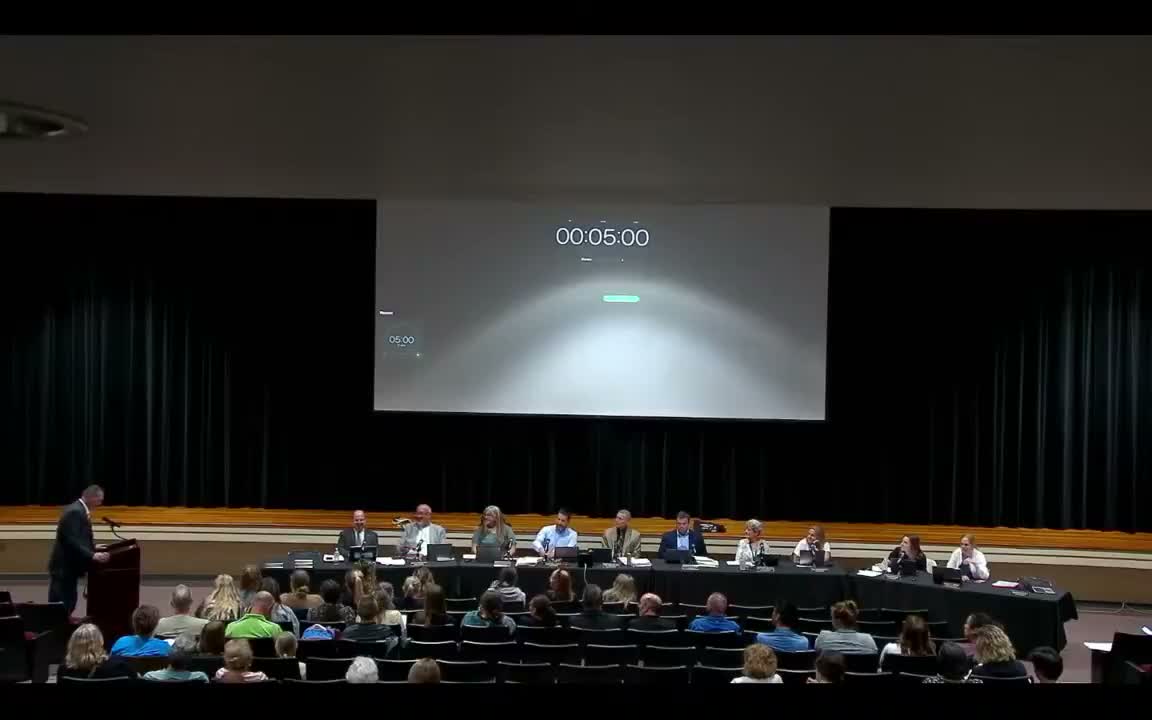
A public commenter at the Upper Adams School District policy committee meeting said making parental permission the default for trauma-related assessments could prevent timely help for students when a parent or guardian is the source of harm. "What if the parent or guardian was directly responsible for the trauma or the abuse?" the commenter asked during the public-comment period.
The commenter cited national child-welfare statistics and district enrollment figures to underline the scale of the concern, saying "national child welfare data indicates that approximately 75 to 90 percent of substantiated child abuse cases involve a parent or legal guardian as the perpetrator" and applying those rates to the district(741 female, 769 male students) to estimate roughly 313 students could experience abuse before graduation.
The speaker urged the committee that "parent permission should not be a precondition to care," arguing that policies that place parental permission "at the front end of trauma related responses" can introduce dangerous delays. The commenter added that "Any policy that requires parental permission before a mandated reporter acts is in conflict with Title 23," referencing Pennsylvania child-protective statutes.
Chair (speaking for the committee) acknowledged the concern and emphasized the committee's intention not to interfere with mandated reporting. "I am certain that nothing in this policy is intended to stand in the way of mandated reporting," the chair said, and proposed adding clarifying language and consideration of definitions for terms such as "surveys" and "screenings" to prevent operational confusion.
Committee members and staff discussed distinguishing clinical trauma assessment from broader pedagogical practices and whether to retain a sentence that would bar training that "requires staff to adopt particular political, social, or ideological viewpoints." After debate, the committee agreed to include the proposed clarifying sentence protecting teachers' authority (item 6) and to accept item 7 except for its final sentence; they also signaled they were comfortable moving the trauma-informed policy to first reading for additional refinement.
Next steps: committee members said they would add clarifying language and consider whether explicit definitions of "screening" or "survey" should be added before the policy returns for formal action.
The commenter cited national child-welfare statistics and district enrollment figures to underline the scale of the concern, saying "national child welfare data indicates that approximately 75 to 90 percent of substantiated child abuse cases involve a parent or legal guardian as the perpetrator" and applying those rates to the district(741 female, 769 male students) to estimate roughly 313 students could experience abuse before graduation.
The speaker urged the committee that "parent permission should not be a precondition to care," arguing that policies that place parental permission "at the front end of trauma related responses" can introduce dangerous delays. The commenter added that "Any policy that requires parental permission before a mandated reporter acts is in conflict with Title 23," referencing Pennsylvania child-protective statutes.
Chair (speaking for the committee) acknowledged the concern and emphasized the committee's intention not to interfere with mandated reporting. "I am certain that nothing in this policy is intended to stand in the way of mandated reporting," the chair said, and proposed adding clarifying language and consideration of definitions for terms such as "surveys" and "screenings" to prevent operational confusion.
Committee members and staff discussed distinguishing clinical trauma assessment from broader pedagogical practices and whether to retain a sentence that would bar training that "requires staff to adopt particular political, social, or ideological viewpoints." After debate, the committee agreed to include the proposed clarifying sentence protecting teachers' authority (item 6) and to accept item 7 except for its final sentence; they also signaled they were comfortable moving the trauma-informed policy to first reading for additional refinement.
Next steps: committee members said they would add clarifying language and consider whether explicit definitions of "screening" or "survey" should be added before the policy returns for formal action.
Don't Miss a Word: See the Full Meeting!
Go beyond summaries. Unlock every video, transcript, and key insight with a Founder Membership.
✓
Get instant access to full meeting videos
✓
Search and clip any phrase from complete transcripts
✓
Receive AI-powered summaries & custom alerts
✓
Enjoy lifetime, unrestricted access to government data
30-day money-back guarantee
