Willow Health and Alliance Health outline plan for county behavioral health urgent care; virtual launch targeted for June
May 05, 2026 | Johnston County, North Carolina
This article was created by AI summarizing key points discussed. AI makes mistakes, so for full details and context, please refer to the video of the full meeting. Please report any errors so we can fix them. Report an error »
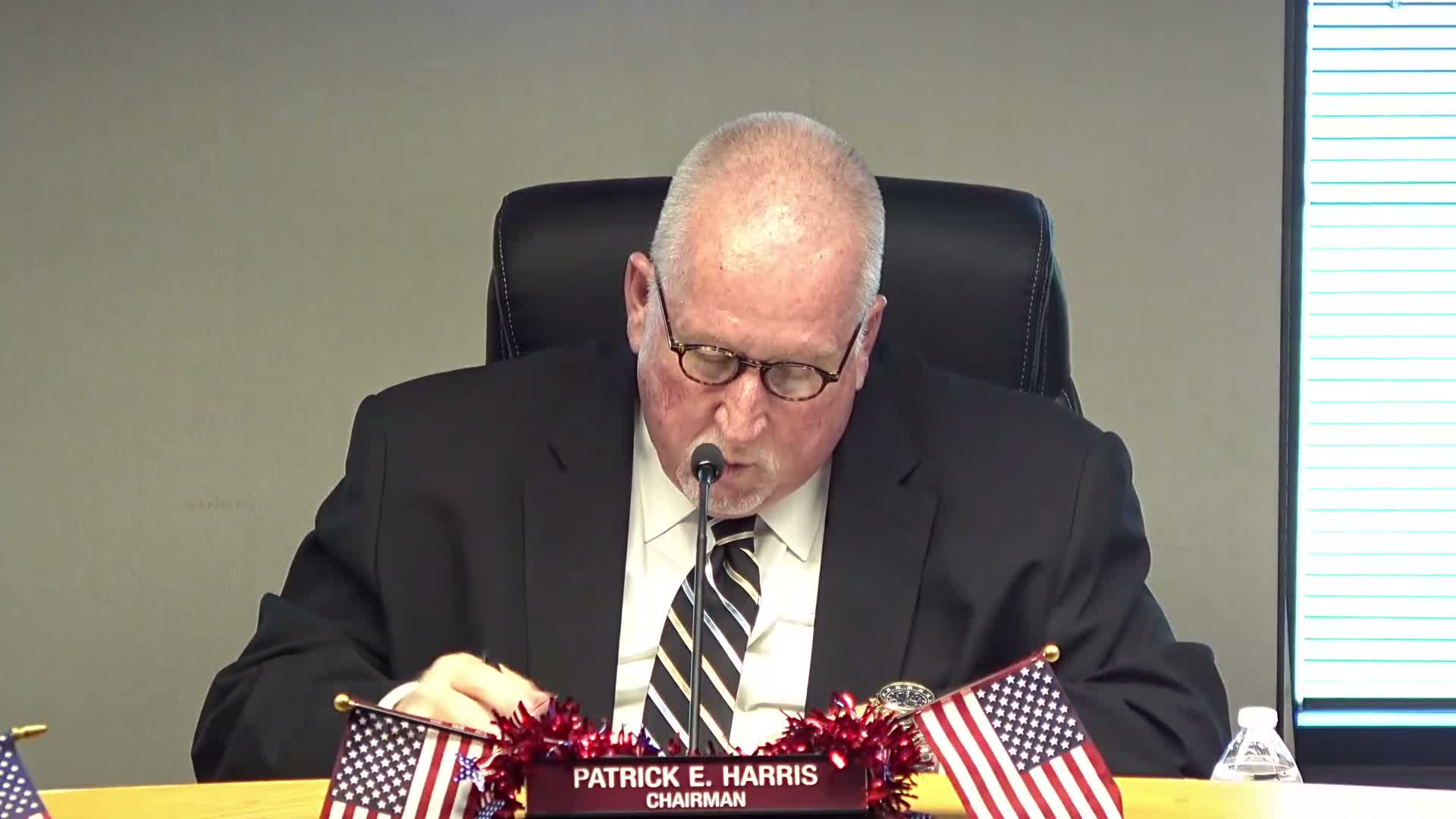
Johnston County commissioners on May 4 heard a presentation from Alliance Health and Willow Health on a proposed behavioral health urgent-care model designed to provide rapid assessment and stabilization for people in crisis and to reduce emergency-room utilization.
Sean Scribe, chief operating officer at Alliance Health, and Lauren Morel, founder and CEO of Willow Health, described a hybrid model that begins with virtual urgent-access assessments and then provides personalized intensive outpatient support and 24/7 wraparound services. Presenters said the program will launch with virtual services in June, with a physical site near UNC Health Johnston to follow after site completion and Joint Commission accreditation.
Willow Health materials and presenters cited national outcomes and their own operational statistics: average virtual wait times under one hour, a 75% program completion rate for those referred to the program (versus about 50% for some intensive programs), and a much lower return-to-ER rate for enrolled patients (presenters cited a 2% return rate compared with roughly 25% in national ER cohorts). Scribe said Willow is already in-network with multiple payers and that county dollars would be used to fill gaps for uninsured or underinsured residents rather than replace third-party payments.
"We want the county dollars to go further because we are having our urgent care and behavioral health services paid for by in-network plans and then supplemented by county funds," Sean Scribe said.
Commissioners pressed presenters on telehealth effectiveness, adolescent services and equitable access for residents without broadband. Presenters said initial services will be for adults (18+), with plans to expand to adolescents later in the year (targeting Q4). They emphasized a simple, no‑app video workflow that starts with a link by text or email, and a plan to operate a physical site for residents with connectivity challenges.
County staff said funding for uninsured and underinsured services has already been appropriated in the county budget, and next steps include on-site visits, drafting memorandums of understanding and returning to the board with formal documents as details are finalized.
No formal board vote was recorded on new funding; the board expressed broad support and asked staff to proceed with site visits and implementation planning.
Sean Scribe, chief operating officer at Alliance Health, and Lauren Morel, founder and CEO of Willow Health, described a hybrid model that begins with virtual urgent-access assessments and then provides personalized intensive outpatient support and 24/7 wraparound services. Presenters said the program will launch with virtual services in June, with a physical site near UNC Health Johnston to follow after site completion and Joint Commission accreditation.
Willow Health materials and presenters cited national outcomes and their own operational statistics: average virtual wait times under one hour, a 75% program completion rate for those referred to the program (versus about 50% for some intensive programs), and a much lower return-to-ER rate for enrolled patients (presenters cited a 2% return rate compared with roughly 25% in national ER cohorts). Scribe said Willow is already in-network with multiple payers and that county dollars would be used to fill gaps for uninsured or underinsured residents rather than replace third-party payments.
"We want the county dollars to go further because we are having our urgent care and behavioral health services paid for by in-network plans and then supplemented by county funds," Sean Scribe said.
Commissioners pressed presenters on telehealth effectiveness, adolescent services and equitable access for residents without broadband. Presenters said initial services will be for adults (18+), with plans to expand to adolescents later in the year (targeting Q4). They emphasized a simple, no‑app video workflow that starts with a link by text or email, and a plan to operate a physical site for residents with connectivity challenges.
County staff said funding for uninsured and underinsured services has already been appropriated in the county budget, and next steps include on-site visits, drafting memorandums of understanding and returning to the board with formal documents as details are finalized.
No formal board vote was recorded on new funding; the board expressed broad support and asked staff to proceed with site visits and implementation planning.
View the Full Meeting & All Its Details
This article offers just a summary. Unlock complete video, transcripts, and insights as a Founder Member.
✓
Watch full, unedited meeting videos
✓
Search every word spoken in unlimited transcripts
✓
AI summaries & real-time alerts (all government levels)
✓
Permanent access to expanding government content
30-day money-back guarantee
